



Kitchen Compost Magic
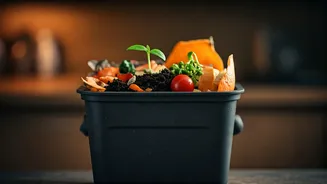
Transforming your food scraps into nutrient-rich compost is a cornerstone of sustainable living, turning potential waste into a valuable resource for your garden.
Almost all organic matter from your kitchen can be composted, including fruit and vegetable peels, coffee grounds, tea bags, eggshells, and even stale bread. By layering these materials with 'brown' matter like dry leaves or shredded newspaper in a compost bin, you create an ecosystem where microorganisms break down the waste. This process enriches the soil, improves its structure, and promotes healthier plant growth, reducing the need for artificial fertilizers. Proper composting also helps to manage household waste, significantly decreasing the volume sent to landfills and minimizing methane gas production, a potent greenhouse gas. Regularly turning the compost pile aids aeration and speeds up decomposition, ensuring you get nutrient-dense compost ready for use in your garden beds, potted plants, or lawns.
Gardening Goldmine
Beyond traditional composting, specific food scraps offer direct benefits to your garden. For instance, coffee grounds, rich in nitrogen, can be sprinkled around acid-loving plants like blueberries and roses, or mixed into the soil to improve drainage and aeration. Banana peels, when chopped and buried near plants, release potassium and calcium, essential for fruit development and strong cell walls. Eggshells, finely crushed, provide calcium carbonate, which can help prevent blossom end rot in tomatoes and peppers and deter slugs and snails. Citrus peels, when steeped in water, create a natural pest deterrent spray due to their essential oils. Even onion skins and vegetable scraps can be used to make a nutrient-rich 'manure' tea by soaking them in water for a few weeks, providing a liquid fertilizer boost for your plants. This method of utilizing food waste directly in the garden not only fertilizes your plants naturally but also reduces waste going to the trash.
Culinary Second Acts
Many food scraps can be ingeniously reintroduced into your culinary creations, minimizing waste and adding unique flavors and textures. Stale bread, for example, is perfect for making homemade breadcrumbs, croutons, or even as a base for bread pudding. Broccoli stalks, often discarded, can be peeled and thinly sliced for stir-fries, roasted, or blended into soups, offering a subtly sweet and tender texture. Carrot and beet greens, when sautéed with garlic and a touch of olive oil, make a delicious and nutritious side dish. Citrus zest can be dried and used to add flavor to baked goods, marinades, and dressings. Even herb stems can be infused into oils or vinegars for flavorful condiments. By adopting a 'root-to-stem' or 'nose-to-tail' approach to your ingredients, you can unlock a surprising array of delicious possibilities and significantly reduce your food waste.
Household Helpers
Certain food scraps possess surprising cleaning and deodorizing properties, offering eco-friendly alternatives to commercial products. Coffee grounds, with their abrasive texture and natural scent, can be used as a gentle scrub for cleaning pots and pans or even to de-odorize refrigerators and drains by simply placing a small bowl of them inside. Citrus peels, particularly lemon and orange, can be used to create natural all-purpose cleaners by steeping them in vinegar. The acidity helps break down grease and grime, leaving a fresh scent. Eggshells, when washed and crushed, can act as a scouring agent for tough-to-clean surfaces. Even vegetable scraps like potato peels can be used to shine up dull metal surfaces like faucets and silverware, thanks to their natural starch content. These simple, natural solutions not only reduce your exposure to harsh chemicals but also save money.
Crafty Creations
Get creative and transform everyday food waste into unique craft projects and decorative items. Dried fruit peels, like those from oranges or grapefruits, can be cut into shapes and strung together to make festive garlands or used as natural potpourri. Spent coffee grounds, when dried thoroughly, can be used as a natural dye for fabric or paper, creating an earthy, rustic aesthetic. Eggshells, carefully cleaned and crushed into pieces, can be incorporated into mosaic art or used as a decorative element in potted plants. Even avocado pits can be used for crafting, with some people experimenting with them to create natural dyes or even carving them. These DIY projects are not only fun and rewarding but also promote a mindful approach to consumption and waste reduction.
Pest & Pet Solutions
Discover how certain food scraps can help manage common garden pests and even benefit your pets. Crushed eggshells, when sprinkled around vulnerable plants, create a sharp barrier that slugs and snails find difficult to cross. Citrus peels can also deter certain insects due to their strong scent. Some believe that burying small amounts of coffee grounds near plants can help ward off ants. For pets, certain food scraps, when prepared safely and in moderation, can be a healthy treat. For example, small pieces of plain cooked chicken or fish (without bones or seasoning) can be given as occasional rewards. However, it's crucial to research which foods are safe for specific pets and to avoid toxic ingredients like onions, garlic, and chocolate. Always consult a veterinarian before introducing new foods into your pet's diet.
Natural Dyes & Pigments
Unlock the vibrant, natural hues hidden within your food scraps to create eco-friendly dyes for textiles, paper, and even Easter eggs. Onion skins, particularly the outer brown layers, yield beautiful shades of yellow, gold, and rust. Red cabbage can produce blues and purples, depending on the mordant used. Avocado pits and skins, when simmered, can create soft pink and peachy tones. Coffee grounds and tea leaves can lend rich brown and tan colors. Even berries, like blueberries and raspberries, can be utilized to impart subtle coloring. This process involves simmering the scraps in water, straining the liquid, and then soaking the material to be dyed. Natural dyes offer a non-toxic and sustainable alternative to synthetic colorants, adding a unique artisanal touch to your creations.
Odor Neutralizers
Tired of lingering odors in your home or car? Several common food scraps can act as natural and effective odor absorbers. A simple bowl of dry coffee grounds placed in the refrigerator or a stuffy closet can absorb unpleasant smells. Baking soda is also often used, but many people overlook the power of citrus peels. Placing dried lemon, orange, or grapefruit peels in small sachets can help freshen drawers, closets, and even gym bags with a light, natural scent. Another surprising option is white vinegar; a small bowl left out overnight can help neutralize strong cooking smells. These methods provide a cost-effective and environmentally friendly way to combat unwanted odors without relying on artificial air fresheners.
Beauty Enhancements
Believe it or not, some kitchen discards can be incorporated into natural beauty treatments. Used coffee grounds, for instance, are a popular ingredient in DIY body scrubs, their texture gently exfoliating the skin and caffeine potentially helping to reduce the appearance of cellulite. Oatmeal, often leftover from breakfast, can be used as a soothing facial mask to calm irritated skin. Even avocado pits, when finely ground, can be added to scrubs. The natural oils and nutrients found in these ingredients can leave your skin feeling soft and rejuvenated. Remember to patch-test any DIY beauty treatments on a small area of skin first to check for sensitivities.
Feed for Fungi
For the adventurous home grower, certain food scraps can serve as a substrate for cultivating gourmet mushrooms. Spent coffee grounds are particularly well-suited for growing oyster mushrooms, as they provide essential nutrients and retain moisture. Similarly, straw, sawdust, and cardboard can be pasteurized and inoculated with mushroom spawn to create ideal growing conditions. This method allows you to grow your own fresh, delicious mushrooms at home, further reducing your reliance on store-bought produce and minimizing waste. It’s a fascinating way to connect with food production and explore the world of mycology right in your own kitchen.
Broth & Stock Boost
Elevate your homemade broths and stocks by incorporating vegetable scraps that would otherwise be discarded. Carrot peels and ends, celery trimmings, onion skins (for color and subtle flavor), mushroom stems, and leek greens can all contribute to a richer, more complex flavor profile. Simply collect these clean scraps in a bag in your freezer until you have enough to simmer with water, herbs, and perhaps some bones (if making bone broth). Strain the liquid thoroughly after simmering for several hours. This practice not only enhances the taste of your homemade stocks but also utilizes ingredients that often end up in the bin, promoting a zero-waste approach to cooking. The resulting broth can be used as a base for soups, stews, sauces, or simply enjoyed on its own.
Flavor Infusions
Many food scraps can be repurposed to infuse oils and vinegars with unique flavors, creating artisanal condiments for your kitchen. Citrus peels, when dried, can add a zesty note to olive oil or white wine vinegar. Herb stems, like those from parsley or cilantro, can be steeped in oil to impart their aromatic essence. Even vegetable scraps, such as roasted garlic skins or bell pepper tops, can add depth to infused liquids. Simply place the cleaned scraps into a jar with your chosen oil or vinegar and let them steep for a few weeks, shaking occasionally. Strain the liquid to remove the solids, and you'll have a custom-flavored infusion ready to enhance your salads, marinades, and dressings.
Seed Starting Aid
Certain food waste items can provide a helpful starting point for growing new plants from seed. For example, eggshells can be carefully cleaned, cracked slightly, and filled with seed-starting mix, offering a biodegradable pot that provides calcium to the seedling as it grows. Once the seedling is ready to transplant, the entire shell can be planted in the soil. Avocado pits, once sprouted and showing roots, can eventually be planted in soil. Even items like toilet paper rolls or newspaper can be fashioned into seedling pots. This method offers an eco-friendly way to start your garden, repurposing household items and reducing the need for plastic seed trays.
Natural Cleaning Scrub
Create a powerful yet gentle cleaning scrub using common food waste, perfect for tackling tough grime without harsh chemicals. A mixture of used coffee grounds and a bit of dish soap or baking soda can form an effective abrasive scrub for pots, pans, and stovetops. The fine grounds help lift stuck-on food and grease. Eggshells, finely crushed into a powder, can also be added to baking soda to create a scrubbing paste for sinks and tubs. These DIY cleaners are not only budget-friendly but also environmentally conscious, utilizing materials that would otherwise be thrown away and reducing your household's chemical footprint.