
Fatty Fish Power
Fatty fish, such as salmon, mackerel, and sardines, are packed with omega-3 fatty acids, crucial for reducing inflammation. These omega-3s, particularly
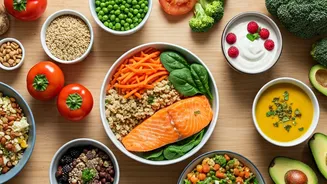
EPA and DHA, work by counteracting inflammatory molecules in the body. They function by blocking pathways that lead to inflammation, providing a potent anti-inflammatory effect. The American Heart Association suggests consuming at least two servings of fatty fish per week. Consider grilling salmon with a sprinkle of herbs or adding sardines to a salad to increase your intake of these beneficial fats. The regular incorporation of fatty fish can lead to a noticeable reduction in joint pain and stiffness, improving overall mobility and quality of life. For those who do not eat fish, omega-3 supplements can be considered, but consulting a healthcare provider is recommended.
Berries: Nature's Bounty
Berries, including blueberries, strawberries, raspberries, and blackberries, are loaded with antioxidants called anthocyanins. These compounds give berries their vibrant colors and also provide potent anti-inflammatory effects. Anthocyanins work by neutralizing free radicals, which contribute to inflammation and cell damage. These berries are also rich in fiber, which aids in digestion and further supports overall health. Studies show that regular consumption of berries can reduce the risk of several chronic diseases. Add berries to your breakfast cereal, blend them into smoothies, or enjoy them as a refreshing snack. Their versatile nature makes them an easy and delicious addition to any diet. Ensure to choose fresh or frozen berries to maximise nutrient retention, and always check for quality and freshness before consumption.
Broccoli's Benefits
Broccoli is a cruciferous vegetable rich in sulforaphane, a compound with potent anti-inflammatory properties. Sulforaphane acts by inhibiting enzymes that promote inflammation, thus protecting cells from damage. Broccoli also contains other beneficial nutrients like vitamin C and fiber, which boost immune function and support digestive health. The combination of these nutrients makes broccoli a powerhouse in reducing inflammation and promoting overall well-being. To reap the benefits, lightly steam or roast broccoli to preserve its nutrients. It can also be added to salads, stir-fries, or soups, making it a versatile ingredient. Incorporating broccoli into your regular diet can help reduce the risk of several chronic health problems. Also, consuming broccoli provides you with vitamin K that is essential for blood clotting and bone health.
Avocado Advantage
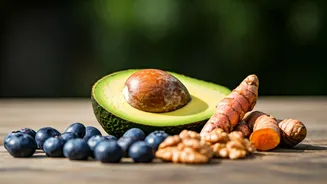
Avocados are rich in monounsaturated fats, which are beneficial for reducing inflammation and supporting heart health. They also contain antioxidants, such as vitamin E and carotenoids, that help to combat inflammation and protect cells from damage. The fats in avocados are highly digestible and promote the absorption of other nutrients. Beyond these, avocados offer fiber, aiding in digestion and helping to maintain stable blood sugar levels. Consume avocados as part of a healthy diet, adding slices to salads or incorporating them into smoothies and sandwiches. Regular intake of avocados can contribute to lower levels of inflammatory markers in the body and help prevent chronic diseases. Also, the potassium found in avocados contributes to healthy blood pressure levels.
Green Tea's Power
Green tea contains a high concentration of antioxidants, particularly epigallocatechin-3-gallate (EGCG), which has strong anti-inflammatory effects. EGCG can reduce inflammation and protect cells from damage by neutralizing harmful free radicals. Green tea also has properties that can help prevent chronic diseases such as heart disease and cancer. Drinking green tea regularly can improve brain function, boost metabolism, and aid in weight management. Prepare green tea by steeping the leaves in hot water. Avoid boiling, as this can affect the tea's taste and some of its nutrients. Enjoy green tea as a warm beverage or add it to iced drinks for a refreshing and healthy choice. Drinking green tea regularly provides a range of health benefits, making it an excellent addition to a health-conscious diet.
Peppers: Spicy Relief
Bell peppers and chili peppers contain capsaicin, a compound with potent anti-inflammatory effects. Capsaicin can reduce pain and inflammation by interacting with receptors in the nervous system. The compound has shown effectiveness in reducing inflammation associated with arthritis. The vibrant colors of bell peppers, from red to yellow to green, also indicate the presence of antioxidants, further combating inflammation. Capsaicin has been studied for its ability to reduce pain. Incorporate peppers into your diet by adding them to salads, stir-fries, or using them as a flavorful ingredient in various dishes. Consuming peppers can help lower inflammation and alleviate pain symptoms. Ensure you start with small amounts, especially with chili peppers, to gauge your tolerance.
Mushrooms' Magic
Certain types of mushrooms, such as shiitake, maitake, and reishi, have anti-inflammatory properties due to their unique compounds. These mushrooms contain antioxidants and other substances that can help to modulate the immune system and reduce inflammation. These varieties of mushrooms are known for their health benefits and have been used in traditional medicine for centuries. Incorporating mushrooms into your diet is relatively easy; they can be added to soups, stir-fries, or used as a side dish. Mushrooms also offer essential nutrients like vitamin D, which is crucial for bone health and immune function. Adding mushrooms to your diet can contribute to reduced inflammation and support your overall health. It is always wise to ensure the mushrooms are from a trusted source and properly prepared before consumption.