





The B1 Connection Emerges
Recent scientific inquiry has shed light on an unexpected role for vitamin B1, also known as thiamine, in digestive regularity. Through meticulous analysis
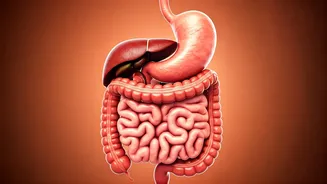
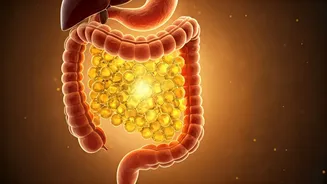
of extensive genetic and questionnaire data from almost 269,000 individuals, researchers sought to identify genetic factors influencing gut motility – the crucial process of food movement through the gastrointestinal tract. The study revealed that participants exhibited a daily stool frequency ranging from approximately 0.98 to 1.42 bowel movements. Intriguingly, the genetic variants identified as influencing gut motility also had a role in the activation and transport of vitamin B1 within the body. A subsequent deep dive into data from nearly 98,500 participants of the UK Biobank solidified this observation, uncovering a significant correlation between the level of vitamin B1 intake and the frequency of bowel movements, suggesting thiamine's direct contribution to aiding defecation. The researchers themselves have highlighted this as a 'previously unrecognized role for vitamin B1,' marking a significant step in understanding digestive health beyond traditional advice.
How B1 Aids Digestion
While the exact mechanisms behind vitamin B1's digestive benefits are still being explored, several theories offer compelling explanations. One leading hypothesis suggests that vitamin B1 plays a vital role in the production of acetylcholine, a neurotransmitter that is instrumental in stimulating the muscle contractions within the gastrointestinal system, thereby enhancing motility. Furthermore, vitamin B1 is a fundamental component in the cellular energy production processes. If these energy utilization pathways within the gut are less efficient, it could theoretically lead to a slowdown in gut motility. Some researchers also propose that thiamine might contribute to softening stool, making its passage through the digestive tract smoother and less problematic. This growing body of evidence, including a 2024 study of over 10,000 people which found that increased vitamin B1 intake was linked to a reduced risk of chronic constipation, is leading some healthcare professionals to consider B1 as a potential aid for conditions like IBS with constipation, though it's not a primary treatment.
Sources of Vitamin B1
Ensuring adequate intake of vitamin B1, a water-soluble vitamin from the B complex family, can be achieved through both dietary choices and supplementation. Many common foods naturally contain thiamine, and it is also added to other food products. The recommended daily intake for most adults falls between 1.1 and 1.4 milligrams, as per the National Institutes of Health (NIH). Excellent dietary sources include fortified breakfast cereals, which can provide around 1.2 milligrams per serving, offering a convenient way to boost intake. Other notable sources include egg noodles, offering about 0.5 milligrams, and a standard pork chop or trout, each contributing approximately 0.4 milligrams. Black beans also offer a good amount of vitamin B1, with around 0.4 milligrams per serving. Integrating these foods into your regular diet can help maintain optimal levels of this essential nutrient crucial for overall health and digestive function.
Managing Constipation
While the research on vitamin B1's role in constipation is promising, experts emphasize that more studies are needed to establish definitive treatment protocols. As one researcher noted, while results 'definitely point to vitamin B1 as a possible regulator of intestinal motility,' further information is required regarding specific dosages and situations for its use. For immediate relief from constipation, healthcare professionals continue to recommend foundational strategies. These include increasing your intake of fiber-rich foods such as beans and broccoli, and consuming ample amounts of water to support gastrointestinal movement. For women under 50, aiming for at least 25 grams of fiber daily is advised. Additionally, incorporating regular physical activity and exercise can also contribute to a healthier digestive system. However, if these measures fail to provide relief after a week, or if you experience significant pain, it is crucial to consult a healthcare provider who can diagnose the cause and recommend appropriate medical or nutritional interventions.