





The Power of a Stroll
Embarking on a brief walk, even for a mere 10 minutes, subsequent to enjoying a meal presents itself as an remarkably accessible yet potent strategy for enhancing
your body's metabolic functions. Esteemed health professionals advocate for this straightforward practice, asserting that it can markedly elevate insulin sensitivity, foster greater stability in blood glucose levels, and contribute substantially to your overall well-being over the long haul. The efficacy of this simple habit lies in its direct impact on how your body manages energy and responds to the glucose introduced after eating, making it a cornerstone of proactive health management.
Understanding Insulin Dynamics
Insulin sensitivity describes your body's adeptness at utilizing insulin to efficiently transport glucose, the sugar derived from food, from your bloodstream into your cells for energy. When this sensitivity diminishes, a state known as insulin resistance, it can pave the way for serious health concerns, including an elevated risk of developing type 2 diabetes and contributing to unwanted weight gain. Experts highlight that even seemingly minor adjustments to daily routines, such as incorporating a post-meal walk, can instigate significant positive changes. This is because physical activity, even at a gentle pace, prompts your muscles to actively metabolize glucose present in the blood, thereby alleviating the demand on insulin and fostering improved sensitivity over time.
Glucose Control Explained
Following a meal, it's a natural physiological process for blood sugar levels to rise as carbohydrates are broken down into glucose. However, when individuals remain sedentary immediately after eating, this elevated glucose tends to persist in the bloodstream for extended periods. Dr. Gondaliya emphasizes that even a leisurely walk assists the body in processing this glucose more effectively. The rhythmic muscle contractions experienced during walking facilitate glucose uptake into cells without necessitating a substantial release of insulin. This mechanism plays a crucial role in mitigating sharp spikes in blood sugar and aids the body in utilizing insulin more efficiently, ultimately contributing to a healthier metabolic state and reducing the long-term risk of metabolic disorders.
Benefits Unveiled
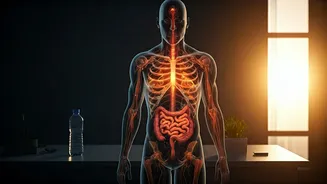
Contrary to the notion that only intense, prolonged exercise can yield metabolic health benefits, even short bursts of walking post-meal can be incredibly beneficial. A brisk 10-minute walk after eating is instrumental in several ways: it actively reduces the sudden surges in blood sugar that often follow a meal, significantly enhances your body's sensitivity to insulin, aids in smoother digestion, diminishes that common feeling of sluggishness after eating, and encourages a more active lifestyle overall. Furthermore, for those who experience sudden energy fluctuations after meals, this practice can prevent sharp glucose spikes, help curb sugar cravings, maintain sustained energy levels, and contribute to a general sense of well-being and alertness throughout the day.
Holistic Health Gains
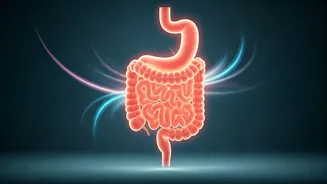
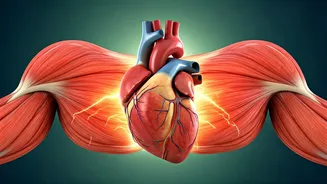
Beyond its direct impact on insulin sensitivity and blood sugar regulation, the habit of walking after meals offers a broad spectrum of health advantages. According to Dr. Gondaliya, this simple activity can lead to improved digestion, alleviating discomfort such as bloating. It also plays a supportive role in weight management efforts by contributing to calorie expenditure and metabolic rate. Moreover, regular post-meal walks are associated with enhanced heart health, potentially reducing the risk factors for cardiovascular disease, and can help in lowering overall inflammation within the body, a key factor in many chronic diseases. This comprehensive approach to health makes the 10-minute walk an invaluable addition to a healthy lifestyle.
Timing and Intensity
The optimal window for your post-meal walk is typically 15 to 30 minutes after you've finished eating, coinciding with the natural rise in blood sugar levels. It's important to note that the pace of this walk doesn't need to be strenuous; a relaxed to moderate pace is perfectly adequate to reap the benefits. Intense exercise is not required and may even be counterproductive immediately after a meal. Consistency is key, and making this short walk a regular part of your routine can significantly improve insulin sensitivity and lower the risk of developing diabetes over time, contributing to sustained metabolic health and overall vitality.