







The Pitfalls of Starvation
Embarking on a fitness journey often begins with the intention to restrict food intake, leading to skipped meals and a general feeling of deprivation.
However, this approach is ultimately unsustainable and counterproductive. When your body is deprived of adequate nutrition, it interprets this as a survival situation, prompting a cascade of metabolic slowdowns. Your metabolism begins to decelerate, signaling that fewer calories are needed to function. Furthermore, the body may start breaking down muscle tissue for energy, which is detrimental to fitness goals as muscle plays a crucial role in metabolism and strength. This nutritional deficiency inevitably results in a noticeable dip in energy levels, making daily tasks feel more challenging. Consequently, fat loss becomes an uphill battle, as a sluggish metabolism is less efficient at burning calories. The cycle often culminates in intense cravings and binge eating, undoing any perceived progress and leaving you feeling frustrated. True fitness is cultivated through nourishing your body, not punishing it.
Power Up With Protein
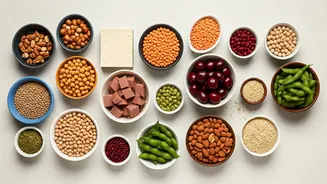
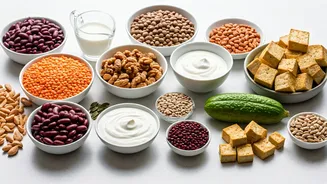
Prioritizing protein intake is paramount when aiming for fitness. This essential macronutrient is a cornerstone of feeling satiated and managing hunger effectively. Consuming adequate protein helps to significantly prolong the feeling of fullness, thereby reducing the urge to snack impulsively between meals. This sustained satiety is invaluable for managing overall calorie intake without experiencing intense cravings. Beyond appetite control, protein is the fundamental building block for muscle repair and growth. As you engage in physical activity, your muscles experience microscopic tears, and protein provides the necessary components to mend and strengthen them. This process is vital for increasing lean body mass, which in turn boosts your resting metabolic rate. Incorporating sources such as eggs, lean poultry, fish, legumes like dal and chickpeas, beans, and dairy products like paneer or Greek yogurt ensures you are consistently fueling your body for both recovery and sustained energy. These foods are not only nutrient-dense but also contribute to a feeling of fullness that lasts.
Embrace Fiber's Fullness
Incorporating foods rich in dietary fiber is a strategic method for naturally managing your appetite and maintaining stable energy levels throughout the day. Fiber adds bulk to your digestive system, promoting a sense of fullness without contributing a significant number of calories. This means you can feel satisfied with smaller portions, making it easier to control your overall calorie consumption. The digestive process for fiber is slower compared to other food components, which leads to a gradual release of energy. This steady energy supply prevents the sharp spikes and subsequent crashes often experienced with high-sugar or refined carbohydrate meals. Consequently, the need for frequent, often unhealthy, snacking is greatly diminished. Excellent sources of fiber include a variety of leafy green vegetables like spinach and cabbage, fruits such as apples and pears, and whole grains like oats, millets, and brown rice. By consistently including these fiber-rich foods in your diet, you create an internal environment that naturally curbs unnecessary food cravings and supports your fitness objectives.
Don't Fear Healthy Fats
The role of fats in a fitness-oriented diet is often misunderstood, leading many to eliminate them entirely. However, healthy fats are not only beneficial but essential for overall well-being and maintaining satiety. These fats play a crucial role in keeping you feeling full for extended periods, which is key to preventing overeating and managing hunger pangs. Furthermore, healthy fats are integral to the production and regulation of hormones within the body, a process that impacts everything from metabolism to mood. They also contribute significantly to nutrient absorption and overall cellular health. Rather than avoiding fats altogether, the focus should be on selecting the right sources and practicing moderation. Excellent choices include nuts like almonds and walnuts, seeds such as flaxseeds and chia seeds, and healthy oils like olive oil. Even traditional fats like ghee can be part of a balanced diet when consumed in appropriate quantities. The principle here is mindful consumption, not complete abstinence, ensuring your body receives the vital nutrients it needs without an excess of calories.
Mastering Smart Snacking
The periods between main meals, particularly in the evening, are often when individuals falter in their fitness plans, resorting to readily available but unhealthy snack options like biscuits, chips, or fried savories. The antidote to this challenge lies in embracing the concept of smart snacking. A truly beneficial snack should offer a combination of nutritional value, primarily protein and fiber, while remaining low in sugar and unhealthy fats. By choosing snacks that provide sustained energy and satiety, you effectively bridge the gap between meals without triggering a craving for less nutritious alternatives. This strategic approach helps maintain metabolic activity and prevents extreme hunger that could lead to overindulgence at your next meal. Prioritizing snacks that offer crunch and satisfaction without the detrimental effects of frying or excessive sugar is paramount for staying on track with your fitness objectives and maintaining consistent energy levels throughout the day.
Hydration for Hunger Control
It is a common misconception that persistent feelings of hunger are always indicative of a need for food. In many instances, what your body is signaling might actually be a need for hydration. Thirst can easily be mistaken for hunger, leading to unnecessary calorie consumption when all you require is a simple glass of water. Proactively drinking water before meals can help you feel fuller sooner, potentially leading to consuming less food during your meal. Maintaining adequate hydration throughout the day is a cornerstone of a healthy lifestyle and a powerful tool in appetite management. By consistently providing your body with sufficient fluids, you can significantly reduce instances of false hunger cues and minimize cravings for sugary beverages that offer little nutritional value and contribute to unwanted calorie intake. Proper hydration not only aids in weight management but also boosts overall energy levels and enhances cognitive function.
Cultivate Mindful Eating
The practice of mindful eating involves paying close attention to the act of eating and your body's internal signals, fostering a healthier relationship with food. This approach encourages you to slow down your eating pace. Allowing your brain sufficient time to register fullness signals is crucial, as it takes approximately 20 minutes for these messages to be processed. Eating slowly helps prevent overconsumption by allowing you to recognize when you are satisfied, rather than overly full. Furthermore, minimizing distractions during meal times, such as avoiding screens or working while eating, enhances your ability to focus on the food and your body's responses. By being present with your meal, you become more attuned to your hunger and satiety cues. This heightened awareness supports making better food choices and promotes a sense of satisfaction with smaller portions, ultimately contributing to more effective weight management and a more enjoyable dining experience.