






Fuel Your Morning
The 30-30-3 method emphasizes consuming a substantial 30 grams of protein in your very first meal of the day. This initial protein boost is crucial for
setting a positive tone for your blood sugar levels, appetite control, and sustained energy throughout the hours ahead. For many, this means a significant increase from typical breakfast habits, where meals might be low in protein, leading to mid-morning energy slumps and cravings for less healthy options. By prioritizing protein, you actively improve feelings of fullness, reduce the urge for sugary snacks and refined carbohydrates, and help maintain stable blood sugar, thus mitigating those dreaded afternoon crashes. Furthermore, adequate protein intake is vital for preserving lean muscle mass, supporting overall metabolic function, and ensuring proper hormone signaling, including those that regulate hunger and satiety, like ghrelin and GLP-1. When considering your daily protein needs, the Academy of Nutrition and Dietetics recommends adults aim for 1.2 to 1.6 grams per kilogram of body weight, ideally spread evenly across your meals for optimal absorption and consistent energy levels. To achieve 30 grams of protein at breakfast, consider options such as a combination of eggs and egg whites with vegetables and avocado, a generous serving of Greek yogurt with chia seeds, berries, and nuts, or a protein-rich smoothie blended with protein powder, milk, and fruits.
Boost Your Fiber Intake
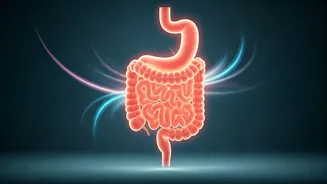
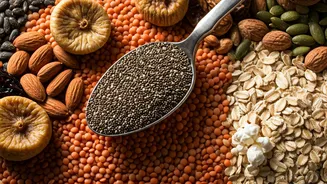
A key component of the 30-30-3 method is the goal of consuming 30 grams of fiber each day. This is a target that a significant portion of the population, estimated at 95% of Americans, fails to meet, with average daily intake hovering around just 16 grams, well below the recommended 25 grams for women and 38 grams for men. Increasing your fiber intake can lead to transformative health benefits. Fiber plays a critical role in cultivating a healthy gut microbiome by providing nourishment for beneficial bacteria, which in turn supports regular digestive processes and helps stabilize blood sugar and insulin responses. Beyond gut health, fiber contributes to lowering LDL cholesterol levels and enhances feelings of satiety, naturally aiding in weight management efforts. When gut bacteria ferment fiber, they produce short-chain fatty acids (SCFAs), compounds strongly linked to improved metabolic health, reduced inflammation throughout the body, and even enhanced signaling along the gut-brain axis, potentially leading to a better mood and sharper cognitive function. To reach the 30-gram fiber goal, incorporate high-fiber foods like raspberries (8 grams per cup), pears (5.5 grams), apples (4.5 grams), green peas (9 grams per cup), broccoli (5 grams per cup), whole-wheat spaghetti (6 grams per cup, cooked), lentils (15.5 grams per cup), black beans (15 grams per cup), and chia seeds (10 grams per ounce). It's advised to increase fiber consumption gradually and ensure adequate hydration to prevent digestive discomfort.
Embrace Probiotic Foods
The third pillar of the 30-30-3 method involves incorporating three servings of probiotic-rich foods into your daily diet. Probiotics, beneficial live microorganisms, have gained considerable attention for their positive impact on health, particularly concerning digestion and immunity. Foods rich in probiotics can help improve digestive function, reduce uncomfortable bloating, and bolster the immune system by fortifying the gut's protective barrier, thereby promoting greater microbial diversity within the gut. Their influence on the gut-brain axis also suggests potential benefits for mood and mental well-being, which could explain why improved digestion often correlates with feelings of calmness and mental clarity. While probiotics offer supportive benefits, it's important to note they are not a cure-all and may not be suitable for everyone, particularly individuals with histamine intolerance, irritable bowel syndrome (IBS), or active gut issues. For those who can tolerate them, excellent sources of probiotics include yogurt with live cultures, kefir, sauerkraut, kimchi, miso, and tempeh. It is recommended to consume a variety of these fermented foods to benefit from different strains of probiotics, as diversity is key to maximizing their positive effects on your gut health.
Method's Overall Impact
The 30-30-3 method stands out as a grounded and effective nutritional strategy that can significantly improve most people's diets without requiring drastic lifestyle changes. By focusing on protein at breakfast, adequate fiber throughout the day, and daily inclusion of probiotic foods, this approach addresses fundamental dietary gaps that many individuals experience. These are not fleeting trends but rather foundational elements of healthy eating that can yield surprisingly powerful results for those not already adhering to them. For many, adopting the 30-30-3 method can lead to noticeable improvements in energy levels, digestive regularity, and appetite control. However, it's crucial to understand that while this method provides a strong framework, it's not a magic bullet. Optimal well-being also depends on other dietary choices, alongside consistent attention to sleep quality, stress management, physical activity levels, and the quality of one's relationships. The promising aspect of the 30-30-3 method is its potential for rapid results, with proponents suggesting that positive changes can be observed in as little as three days, making it a highly motivating starting point for enhancing overall health and daily functioning.