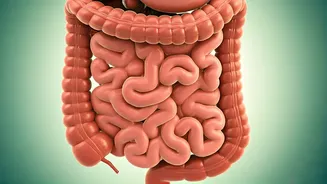







Understanding Fiber Training
Fiber training is essentially a process of conditioning your digestive system to better process increased amounts of dietary fiber. Just as you wouldn't
attempt a marathon without prior training, introducing a large quantity of fiber abruptly can overwhelm your gut, leading to uncomfortable symptoms like gas, bloating, and cramps. This gradual adaptation allows your colon's bacteria to adjust, minimizing digestive distress. Experts liken this approach to building strength in weightlifting, starting with lighter loads and progressively increasing the intensity. For individuals already experiencing constipation, careful fiber training is particularly crucial, as a sudden influx of fiber into a sluggish system can exacerbate the problem, creating a digestive bottleneck. This mindful approach ensures you can enjoy fiber's extensive health advantages, from improved satiety and regularity to better cholesterol levels and blood sugar control, without the unpleasant side effects.
How to Start Training
Initiating fiber training involves a systematic and slow increase in your daily fiber consumption. Before starting, it's helpful to know the recommended daily fiber intake: women aged 19-30 need 28 grams, ages 31-50 require 25 grams, and those 51 and older aim for 22 grams. Men have slightly higher recommendations. When fiber training, aim to add approximately three to five grams of fiber to your diet every day. This can be achieved by incorporating small, fiber-rich additions like an apple (about four grams of fiber), half a cup of chickpeas (around five grams), a tablespoon of chia seeds (about five grams), or two tablespoons of ground flaxseed (around four grams). Continue this practice for five to seven days, or until you notice no adverse digestive reactions. Once your body has adjusted, you can gradually add another similar increment of fiber. This incremental approach ensures you methodically build up to your target fiber intake, for instance, a 35-year-old woman aiming for 25 grams might take several weeks of these small additions to reach her goal. The key is to pay close attention to your body's signals and adjust the pace accordingly, ensuring comfort throughout the process.
Practical Training Tips
When undergoing fiber training, especially if you experience constipation, focus on incorporating low-FODMAP (fermentable oligosaccharides, disaccharides, monosaccharides, and polyols) foods. These are carbohydrates that are less likely to ferment in the gut, thus causing less digestive upset compared to their high-FODMAP counterparts. Kiwis, offering about four grams of fiber per two-fruit serving, are an excellent choice and have even been studied for their constipation-alleviating effects. Alternatively, a gentle fiber supplement like one derived from psyllium husk can provide benefits with reduced irritation to a sensitive system. Crucially, ensure adequate fluid intake throughout your fiber training journey. Water is essential for fiber to effectively soften stool and promote smooth bowel movements. Insufficient hydration can counteract fiber's benefits, potentially leading to harder, drier stools and worsening constipation. By adopting this slow and progressive method, you enhance your colon's capacity to manage fiber efficiently, effectively increasing your 'colonic fitness' and sidestepping the uncomfortable initial stages of dietary change.