
Blood Sugar's Influence
Blood sugar, also known as glucose, serves as the primary energy source for our bodies. The amount of glucose in our blood, or blood sugar level, is crucial
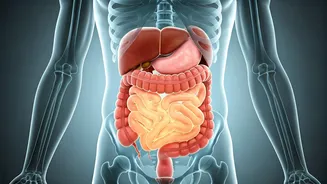
to our overall health and influences a variety of bodily functions. After we consume food, the digestive system breaks it down, and glucose is released into the bloodstream. This surge in blood sugar subsequently stimulates the pancreas to release insulin, a hormone vital for allowing glucose to enter cells, where it's utilized for energy. When blood sugar levels fluctuate, cravings for sugary foods often arise. This is because the body seeks a quick source of energy to stabilize the imbalance. Consuming sugary foods leads to a rapid spike in blood sugar, followed by a sharp decline, triggering more cravings in a continuous cycle. Understanding how blood sugar impacts our bodies is the first step toward managing sugar cravings effectively. It helps us make informed choices about our diet and adopt strategies to maintain stable blood sugar levels, thus reducing cravings and supporting overall health.
Insulin's Key Role
Insulin plays a central role in regulating blood sugar. When blood sugar levels rise after eating, the pancreas promptly releases insulin. This hormone acts like a key, unlocking cells and allowing glucose to enter and be used as energy. If the cells become resistant to insulin, or if the pancreas is unable to produce enough insulin, the blood sugar levels can remain elevated. Persistent high blood sugar levels can lead to insulin resistance, a condition where the body's cells don't respond efficiently to insulin, making it more challenging for glucose to enter cells. In response, the pancreas attempts to produce even more insulin, but it may eventually be unable to keep up. This can result in type 2 diabetes. Furthermore, a diet rich in simple carbohydrates and sugary foods can lead to rapid spikes and drops in blood sugar levels, which can contribute to insulin resistance over time. Stable blood sugar control involves dietary choices that minimize these rapid fluctuations, promoting better insulin sensitivity and reducing the likelihood of sugar cravings.
Cravings and Blood Sugar
The link between blood sugar fluctuations and sugar cravings is significant. When blood sugar drops, the body interprets this as a need for immediate energy, leading to intense cravings for quick fixes like sugary foods. These foods provide a rapid but temporary increase in blood sugar, followed by an equally quick decline, continuing the cycle. The release of endorphins and dopamine following the consumption of sugary foods contributes to the addictive nature of sugar cravings. This temporary surge of pleasure reinforces the desire to consume more sugar. Consuming refined carbohydrates and processed foods that cause rapid blood sugar spikes can intensify these cravings. Managing blood sugar fluctuations is crucial in breaking this cycle, adopting dietary strategies that promote slow, steady glucose release, such as consuming complex carbohydrates, lean proteins, and healthy fats.
Dietary Strategies
Dietary changes play a key role in managing sugar cravings. Prioritizing foods with a low glycemic index (GI) helps to avoid significant blood sugar spikes. These foods release glucose gradually, providing sustained energy and minimizing cravings. Including fiber-rich foods in the diet is essential, as fiber slows down the absorption of glucose, promoting stable blood sugar levels. Protein and healthy fats also play an important role. Protein helps to increase satiety and stabilize blood sugar, and healthy fats slow down the digestion process, thus preventing quick fluctuations in blood sugar. Regular meal timing helps regulate blood sugar. Eating balanced meals at consistent intervals prevents the body from experiencing prolonged periods of low blood sugar, which can trigger cravings. Planning meals and snacks ahead of time ensures that healthy food choices are readily available, reducing the temptation to reach for sugary snacks when cravings strike. Reducing consumption of processed foods, refined carbohydrates, and added sugars minimizes blood sugar fluctuations and supports the body’s natural energy regulation processes.
Beyond Diet Choices
While diet is critical, other lifestyle choices impact sugar cravings. Adequate sleep is vital, as sleep deprivation can disrupt hormones that regulate appetite and increase cravings. Regular physical activity enhances insulin sensitivity and improves glucose control, helping to reduce cravings. Managing stress is important because stress can trigger cravings. Chronic stress leads to the release of cortisol, a hormone that can increase blood sugar levels and cravings. Practicing stress-reducing techniques, such as mindfulness or meditation, can help to manage cravings. Staying hydrated can also help; sometimes, the body can misinterpret thirst for hunger, leading to unnecessary cravings. Creating a supportive environment can also be beneficial. This involves avoiding triggers such as keeping sugary snacks out of sight and seeking support from family, friends, or a healthcare professional. By integrating these strategies, individuals can create a balanced lifestyle that addresses both the physiological and psychological aspects of managing sugar cravings effectively.