




Timing is Key
When it comes to recovering effectively from exercise, the timing of your food intake plays a pivotal role, as highlighted by expert Stephens. Consuming
nutrients within 30 to 60 minutes post-workout can dramatically expedite your body's transition into recovery mode. Delaying this crucial window can lead to a noticeable slowdown in the repair process. This principle becomes even more critical as the intensity and duration of your workout increase; a more strenuous or prolonged session demands a more immediate nutritional response to optimize muscle repair and reduce the impact of delayed-onset muscle soreness (DOMS).
Protein Pacing Principles
Nutrition expert McDonald advocates for a 'protein pacing' strategy, which involves distributing protein intake evenly throughout the day rather than concentrating it in one meal. He suggests aiming for approximately 0.4 to 0.5 grams of protein per kilogram of body weight every three to four hours. This approach aligns with the understanding that muscle protein synthesis, the process of breaking down and rebuilding muscle tissue, is a continuous endeavor, not an isolated event. By viewing recovery as an ongoing process across the entire day, rather than a singular post-exercise moment, the task becomes more manageable and integrated into daily eating habits, making it less overwhelming.
The Nutrient Duo
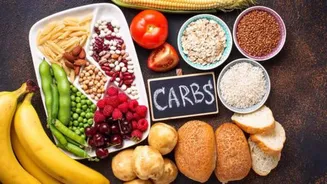
The combination of protein and carbohydrates is fundamental for effective post-workout recovery. Protein supplies the essential amino acids required for repairing micro-tears in muscle fibers, a process that leads to muscle growth. Aiming for roughly 20 to 30 grams of protein is generally recommended. Carbohydrates, the body's primary energy source, are equally vital. They elevate blood sugar levels, prompting insulin secretion, which facilitates glucose absorption by cells. During this process, circulating protein is also effectively transported to muscles, initiating the repair sequence. Carbs act as a 'recovery spark,' a crucial element often underestimated. Without sufficient carbs, the amino acids from protein may not reach muscles as efficiently, potentially leading to fatigue and hindering the repair process. A common guideline suggests a three-to-one ratio of carbohydrates to protein in post-workout meals or snacks, ensuring both components are optimally balanced for muscle mending.
Micronutrients Matter
Beyond macronutrients, micronutrients like vitamins and minerals are indispensable for muscle and connective tissue repair. Specifically, vitamin C and copper play significant roles in collagen synthesis. Collagen is vital for the health of tendons and joints, which are also subjected to stress during exercise. As McDonald points out, workouts don't just impact muscles; they also challenge the connective tissues that stabilize bones and muscles. Ensuring these structures are adequately supported through proper nutrition is crucial for overall recovery and preventing injury, complementing the essential roles of protein and carbs in the post-exercise regimen.
Salmon's Anti-Inflammatory Power
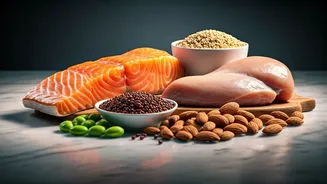
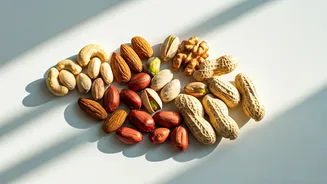
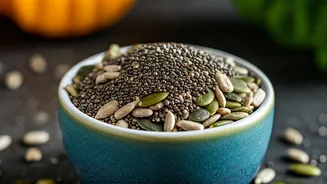
While not always the most convenient immediate post-workout option, salmon is a potent recovery food due to its high concentration of anti-inflammatory omega-3 fatty acids. As highlighted by McDonald, salmon is 'really good for inflammation.' These beneficial fats help combat the inflammation that arises from exercise-induced muscle damage. For those who prefer not to consume fish right after training, other omega-3 rich alternatives like walnuts, chia seeds, and hemp hearts can be easily incorporated into smoothies, offering similar anti-inflammatory benefits and contributing to a smoother recovery process without requiring a full meal.
Fruits for Digestion
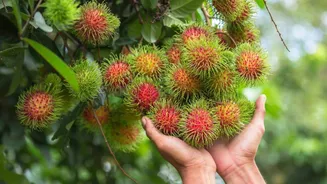
Tropical fruits such as kiwi and pineapple offer unique enzymatic benefits that aid in post-workout recovery. Pineapple contains bromelain, while kiwi possesses actinidin; both are enzymes that assist in protein digestion. Bromelain, in particular, has demonstrated an ability to suppress the production of inflammatory agents, thereby contributing to reduced muscle soreness. Including these fruits, perhaps as part of a small fruit platter, can provide a refreshing and effective way to support your body's natural healing mechanisms after physical exertion, complementing other recovery strategies.
Bell Peppers: Vitamin C Boost
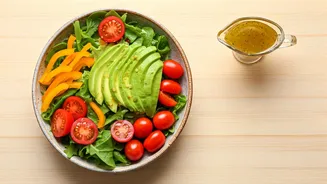
Bell peppers, especially red varieties, are an excellent source of Vitamin C, offering significantly more than many other common fruits and vegetables. McDonald emphasizes their value in supporting connective tissues such as tendons and joints, which are integral to overall musculoskeletal health. A single serving can provide over 200% of the daily recommended intake for Vitamin C. Incorporating bell peppers, perhaps by dipping them in hummus for added carbohydrates, offers a crunchy and nutrient-dense option to aid in the repair of these crucial supportive structures, thereby contributing to comprehensive recovery and joint well-being.
Turmeric's Curcumin Benefits
Similar to salmon, turmeric is recognized for its potent anti-inflammatory properties, largely attributed to its active compound, curcumin. McDonald points to turmeric as a valuable anti-inflammatory option for mitigating muscle soreness after exercise. Adding a spoonful of turmeric powder to a post-workout shake can deliver a direct dose of curcumin, helping to counteract exercise-induced inflammation and promote faster muscle repair. This spice offers a concentrated way to leverage natural anti-inflammatory compounds for enhanced recovery and reduced discomfort.