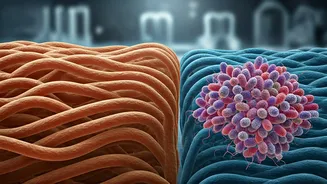








The Power of Fiber
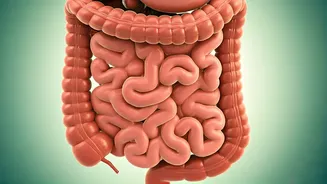
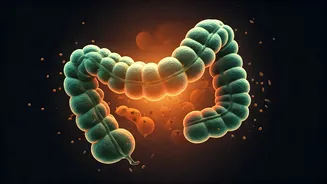
Fiber, a non-digestible carbohydrate found in plant-based foods, serves as essential fuel for your gut bacteria. When these diverse fibers reach your colon,
they are fermented by microbes, leading to the production of beneficial short-chain fatty acids (SCFAs). Compounds like butyrate, one of these key SCFAs, play a crucial role in reinforcing the gut lining and defending against harmful pathogens. Beyond the colon, SCFAs contribute to regulating blood sugar levels, managing cholesterol, and stimulating the release of hormones that promote satiety, such as GLP-1 and PYY. They also enhance immune system function and reduce inflammation throughout the body. Furthermore, fiber acts as a vital nutrient for beneficial bacteria, fostering their growth and supporting efficient nutrient absorption. For digestive regularity, fiber is unparalleled. It adds bulk to stool and softens it, facilitating smoother passage through the digestive tract, whether you experience infrequent or overly frequent bowel movements, or general discomfort. Fiber is broadly categorized into two types: soluble and insoluble. Soluble fiber dissolves in water, slowing down digestion and proving beneficial for managing diarrhea and blood sugar spikes. It can also aid in lowering cholesterol by binding to bile acids, potentially reducing the risk of cardiovascular disease and obesity. Insoluble fiber, on the other hand, does not dissolve in water and helps to increase the speed of bowel transit, making it effective for alleviating constipation.
Understanding Probiotics
A diverse gut microbiome, characterized by a rich variety of friendly microorganisms, is fundamental to good health. Probiotics, defined as live microorganisms intended to provide health benefits, have gained attention for their role in enhancing this diversity. These beneficial bacteria work by competing with and ultimately displacing pathogenic bacteria in the gut. While many individuals consume probiotics to generally improve gut health, they demonstrate the most significant advantages in specific scenarios. Targeted strains of probiotics have shown promise in assisting individuals with conditions such as diarrhea, ulcerative colitis, and irritable bowel syndrome (IBS). They are also frequently recommended during or following antibiotic treatment, as antibiotics can deplete both beneficial and harmful bacteria, compromising the microbial diversity essential for well-being. It's important to note that the benefits of probiotics are typically temporary; continued consumption is necessary to maintain their effects. Unlike fiber, which nourishes existing gut bacteria, probiotics act as temporary reinforcements rather than permanent residents. Furthermore, probiotics are most effective when introduced into a gut environment that is already well-supported. This means having adequate dietary fiber, a diverse microbiome, and a healthy gut barrier. A probiotic introduced into a fiber-rich, metabolically active gut will perform significantly better than one in a depleted, nutrient-poor environment.
Fiber's Supremacy for Gut Health
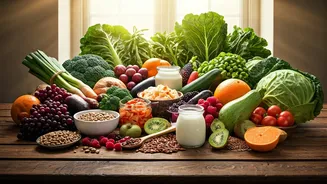
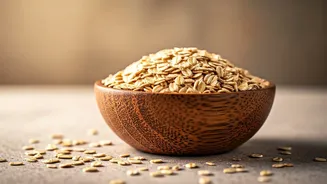
Across expert opinions, fiber emerges as the definitive cornerstone for optimal gut health. Its consistent association with superior overall health outcomes and its reliable, scalable support for the gut microbiome position it ahead of probiotics. While probiotics can offer benefits, their effects are not universally consistent and are highly dependent on the specific strain, dosage, and the individual consuming them. Unfortunately, a significant portion of the population does not meet their recommended daily fiber intake. In the US, only a small percentage of individuals achieve their daily fiber goals. General recommendations suggest women aim for 25 grams of fiber per day, while men should target 38 grams. To increase fiber consumption, it's advisable to incorporate a variety of fiber-rich foods like fruits, vegetables, legumes, whole grains, nuts, and seeds into every meal and snack. For those struggling to reach their targets, fiber supplements, such as psyllium husk or soluble fiber powders mixed with water, can be a helpful addition. When increasing fiber intake, a gradual approach is recommended. Rapidly increasing fiber from a low intake to a high intake can lead to digestive discomfort, including bloating. Therefore, it's suggested to slowly increase fiber over one to two weeks, allowing gut microbes to adapt. Adequate hydration is also crucial to ensure smooth passage through the digestive system. Individuals with IBS or other sensitive digestive conditions should exercise caution when increasing fiber to avoid exacerbating symptoms.
Synergistic Gut Support
The current emphasis on 'fibermaxxing' rightly highlights the critical importance of this nutrient for gut health, and the majority of people would benefit from increasing their daily intake. However, this does not mean probiotics should be overlooked. A practical approach to achieve comprehensive gut support involves integrating both fiber and probiotics. For instance, the '30-30-3 method' suggests consuming 30 grams of fiber daily alongside three servings of probiotic-rich foods to seamlessly harness the advantages of both. Ultimately, the optimal strategy for gut health is not an 'either/or' choice between fiber and probiotics, but rather a 'fiber first, then strategic probiotic support' approach. Think of your gut as a garden: prebiotic fiber acts as the essential soil fertilizer, creating a fertile environment. Probiotics, in this analogy, are the beneficial seeds that can then thrive in this prepared soil. By focusing on building a robust foundation with fiber, you create an ideal ecosystem for probiotics to contribute their unique benefits, leading to a more resilient and healthier gut environment.