




The Immune Powerhouse Pair
Supporting your body's natural defenses doesn't require complex routines or exotic supplements. Often, the most effective tools are readily available in your kitchen,
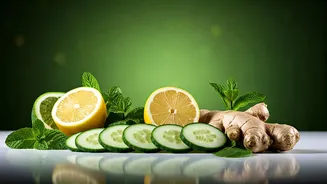
like garlic and ginger. These two ingredients are renowned for their historical medicinal use and are now recognized by modern science for their significant health benefits. Garlic boasts a compound called alliin, which transforms into allicin upon crushing or chopping. Allicin is the powerhouse compound responsible for garlic's pungent aroma and its impressive immune-enhancing capabilities. Research suggests that garlic extract can significantly boost immune cell function, potentially reducing the frequency and severity of colds and flu, and some studies even indicate fewer sick days for regular consumers. Meanwhile, ginger is a rich source of gingerols, potent bioactive compounds offering strong antioxidant and anti-inflammatory effects. While inflammation is a crucial part of the immune response, chronic inflammation can weaken the body's defenses. Ginger helps to regulate this inflammatory process, thereby fortifying your body's ability to fight off illness. Furthermore, ginger possesses antimicrobial properties that may help combat the growth of certain bacteria and viruses, making it a comprehensive ally for immune resilience.
Dosage for Optimal Impact
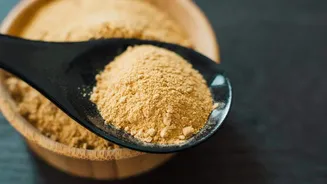
While enjoying a hint of garlic powder or a ginger smoothie occasionally is pleasant, achieving tangible immune benefits hinges on consistent consumption at specific doses. For garlic, aim for roughly one to two cloves daily. A crucial tip for maximizing its benefits is to be mindful of heat, as it can deactivate allicin. To preserve allicin's potency, let your chopped or crushed garlic rest for about 10 minutes before cooking—a process known as 'resting'—or incorporate raw garlic into your dishes just before serving. For ginger, expert recommendations often suggest around one gram of fresh ginger root per day to harness its anti-inflammatory properties. This typically equates to about a teaspoon of freshly grated ginger or half a teaspoon of powdered ginger. However, be aware that the potency of spice rack ginger may be less than that of fresh root or standardized supplements. While excessive intake can lead to heartburn, consistent daily consumption is key to reaping the rewards. Finding that sweet spot ensures you're effectively leveraging these ingredients for robust immune support without adverse effects.
Culinary Inroads Beyond Soup
Garlic and ginger are incredibly versatile, extending their health benefits far beyond a simple bowl of soup, though they do enhance classics like chicken noodle or black bean varieties beautifully. A highly effective method to preserve their potent compounds is to prepare a 'finish' for your soups. Instead of adding them during the entire cooking process, stir freshly grated ginger and crushed garlic into your soup right before serving. This technique ensures that heat-sensitive beneficial compounds are not diminished by prolonged boiling. Beyond soups, these ingredients can elevate numerous other dishes. Consider adding generous amounts of minced garlic and sliced ginger to stir-fries for a flavorful and healthy kick. Whisk grated ginger and pressed garlic into a base of olive oil, soy sauce, and lime juice to create vibrant salad dressings or marinades. For a potent morning boost, blend fresh ginger and garlic with lemon juice, a touch of honey, and a splash of orange juice for a zesty immune-supporting shot, optionally adding cayenne for extra warmth. Even dips can be transformed by blending roasted garlic and fresh ginger into hummus, yogurt, or guacamole, offering a unique and healthful twist. By integrating garlic and ginger regularly into your cooking, you can effortlessly provide your immune system with a delicious and potent advantage.