
Magnesium: The Marvel
Magnesium is an essential mineral, often overlooked but crucial for numerous bodily functions. It's involved in over 300 enzymatic reactions, playing a vital
role in muscle and nerve function, blood sugar control, and blood pressure regulation. Adequate magnesium intake is also essential for strong bones and sound sleep. This mineral helps convert vitamin D into its active form, improving its absorption and effectiveness. Deficiency can lead to a variety of issues, including fatigue, muscle cramps, and even mental health problems. Prioritizing magnesium-rich foods is a simple yet effective way to support overall health and wellness. Ensuring you get enough magnesium is a proactive approach to maintaining optimal health.
Leafy Greens: Powerhouse
Dark, leafy green vegetables are among the best sources of magnesium. Spinach, in particular, is an excellent choice. A single cup of cooked spinach can provide a significant portion of your daily magnesium needs. Other great options include kale and collard greens. These vegetables are also packed with other essential nutrients like vitamins A, C, and K, along with fiber and antioxidants. Incorporating a variety of leafy greens into your diet offers a delicious and effective way to boost your magnesium intake, support healthy bones, and improve sleep quality. Try adding them to salads, smoothies, or sautéing them as a side dish for a nutrient-rich meal.
Nuts and Seeds: Snacks
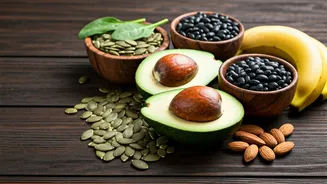
Nuts and seeds are convenient and portable sources of magnesium. Almonds, cashews, and pumpkin seeds are particularly rich in this vital mineral. A handful of almonds or cashews makes for a perfect snack, providing not only magnesium but also healthy fats and protein. Pumpkin seeds can be easily added to salads, yogurt, or oatmeal. These snacks contribute to the recommended daily intake of magnesium and also offer additional benefits. They are rich in fiber, which aids digestion, and antioxidants, which protect against cell damage. Make it a daily habit to consume a portion of nuts or seeds to enhance your magnesium intake.
Avocado: Creamy Goodness
Avocado is another excellent food choice, known for its creamy texture and rich flavor, also providing a notable amount of magnesium. In addition to magnesium, avocados are packed with healthy monounsaturated fats, fiber, and various vitamins and minerals. The combination of nutrients in avocados supports heart health, improves digestion, and contributes to a feeling of fullness. You can enjoy avocados in many ways: sliced in salads, mashed on toast, or blended into smoothies. Adding avocado to your diet is a simple yet impactful way to enhance your magnesium intake and enjoy a delicious, nutritious meal or snack.
Legumes: Nutrient Boost
Legumes, including black beans, soybeans, and edamame, are valuable sources of magnesium. In addition to magnesium, legumes provide a good amount of plant-based protein and fiber, making them an excellent addition to any balanced diet. Incorporating legumes into your diet not only increases magnesium intake but also promotes digestive health and helps manage blood sugar levels. You can use legumes in soups, stews, salads, or as a side dish. Ensure that you rinse canned legumes to reduce sodium content. Including legumes in your regular diet is a straightforward way to boost your magnesium levels.
Dark Chocolate: Indulge
Yes, indulging in dark chocolate can contribute to your magnesium intake! Dark chocolate, especially with a high cocoa content (70% or higher), offers a significant amount of magnesium. Dark chocolate also provides antioxidants, which can improve your mood and reduce stress. While enjoying dark chocolate, it's essential to consume it in moderation due to its calorie content. Opt for high-quality dark chocolate with minimal added sugars to maximize its health benefits. Choosing dark chocolate can be a pleasurable way to get a dose of magnesium, supporting both your health and your taste buds.
Bananas: Energy Boost
Bananas, known for their convenience and nutritional benefits, are a good source of magnesium. They're also rich in potassium, a mineral that works in synergy with magnesium. Consuming bananas can help support healthy muscle function and energy levels. They are a great pre- or post-workout snack due to their high carbohydrate content, which helps replenish energy stores. Adding bananas to your diet can aid in boosting your magnesium intake and can be easily incorporated into your daily routine. Enjoy them as a quick snack, add them to smoothies, or slice them on top of your breakfast cereal for a tasty and healthy treat.
Fatty Fish: Ocean Bounty
Fatty fish, such as salmon and mackerel, are not only rich in omega-3 fatty acids, which benefit heart health and brain function, but they also contain magnesium. These fish are a complete nutritional package, also providing vitamin D and protein. Eating fatty fish regularly can contribute to improved bone health and sleep quality. It is a delicious and healthy way to elevate your magnesium intake. Aim to include fatty fish in your diet at least twice a week. Prepare them grilled, baked, or pan-seared to enjoy their rich flavors and nutritional benefits. Including seafood into your diet will increase your magnesium levels.
Tofu: Versatile Source
Tofu, a popular plant-based protein source made from soybeans, provides a good amount of magnesium. Tofu is also rich in calcium and iron, making it a well-rounded addition to any diet. Its versatility allows it to be used in various dishes, from stir-fries to smoothies. Tofu can be a great option for vegetarians and vegans. Consuming tofu supports bone health, muscle function, and overall wellness. Ensure you buy firm or extra-firm tofu for the most substantial nutritional value and consistency for your culinary explorations. The food is also low in calories and fat.
Whole Grains: Healthy Choice
Whole grains, such as brown rice, quinoa, and oats, provide magnesium along with fiber and other essential nutrients. Unlike refined grains, whole grains retain their bran, germ, and endosperm, providing a complete nutritional profile. Choosing whole grains over refined ones can help with weight management, improve blood sugar control, and increase magnesium intake. Adding whole grains to your meals is a simple way to increase your magnesium intake while boosting your fiber intake and promoting overall health. Use whole-grain options for breakfast, lunch, and dinner to experience the many health benefits.