







The Oat Cholesterol Connection
Recent research from the University of Bonn, published in Nature Communications, points to the potent ability of oats to positively influence cholesterol
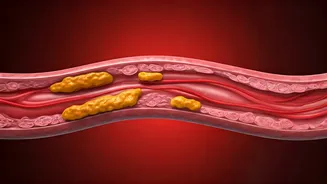
levels. The study demonstrated that even a brief period of structured oat consumption, specifically around 300 grams daily distributed across meals with small additions of fruits or vegetables, can yield notable improvements in cholesterol markers. This effect is not fleeting; it demonstrates a lasting impact for several weeks in individuals who are at metabolic risk. This finding underscores the profound influence dietary choices can have on our metabolic health in a remarkably short timeframe, suggesting that short, targeted dietary interventions, when combined with sustained healthy lifestyle habits, can be a powerful tool for managing cholesterol and bolstering heart disease prevention strategies.
Expert Insights on Oats
Dr. Geetika Chopra, a renowned holistic nutritionist, elaborates on the science behind oats' cholesterol-lowering capabilities. She explains that the high concentration of beta-glucan, a unique type of soluble fiber found abundantly in oats, is the primary driver of this benefit. Beta-glucan acts within the digestive system by forming a gel-like matrix. This substance effectively binds to cholesterol and bile acids, facilitating their removal from the body. Consequently, the liver is prompted to draw more cholesterol from the bloodstream to compensate for the bile acid loss, thereby reducing circulating LDL, often referred to as 'bad' cholesterol. Beyond this direct mechanism, oats also contribute to improved gut health and better blood sugar regulation, both of which indirectly enhance lipid metabolism, promoting better overall cardiovascular health and reinforcing the idea that a daily bowl of oats can be a significant contributor to lowering LDL cholesterol.
Broader Study Findings
Further reinforcing the benefits of oats, a comprehensive meta-analysis published in the American Journal of Clinical Nutrition pooled data from 24 separate studies. This extensive review meticulously examined the impact of diets featuring whole grains compared to those that did not. The aggregated results indicated that diets incorporating whole grains generally led to a reduction in total cholesterol levels by an average of 4.6 points. However, the study specifically highlighted diets that included oats as being slightly more effective, achieving an average reduction of 6.5 points in cholesterol levels. This comparative analysis provides strong statistical evidence that oats not only contribute to heart health as part of a whole-grain diet but also exhibit a particularly pronounced effect on cholesterol reduction.