


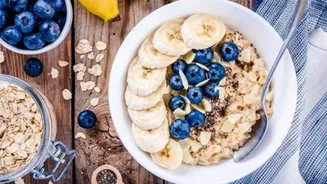


What is Fiber?
Dietary fiber, a crucial component of plant-based foods, is a type of carbohydrate that our bodies can't easily break down for energy. Unlike sugars or starches,
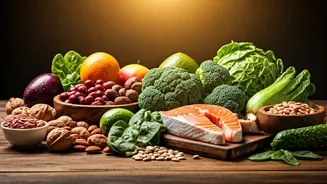
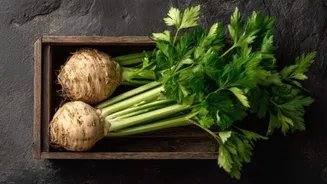
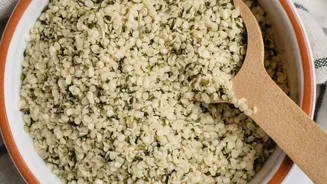
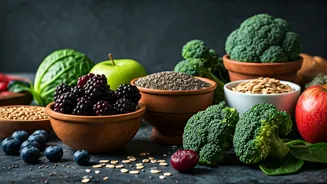
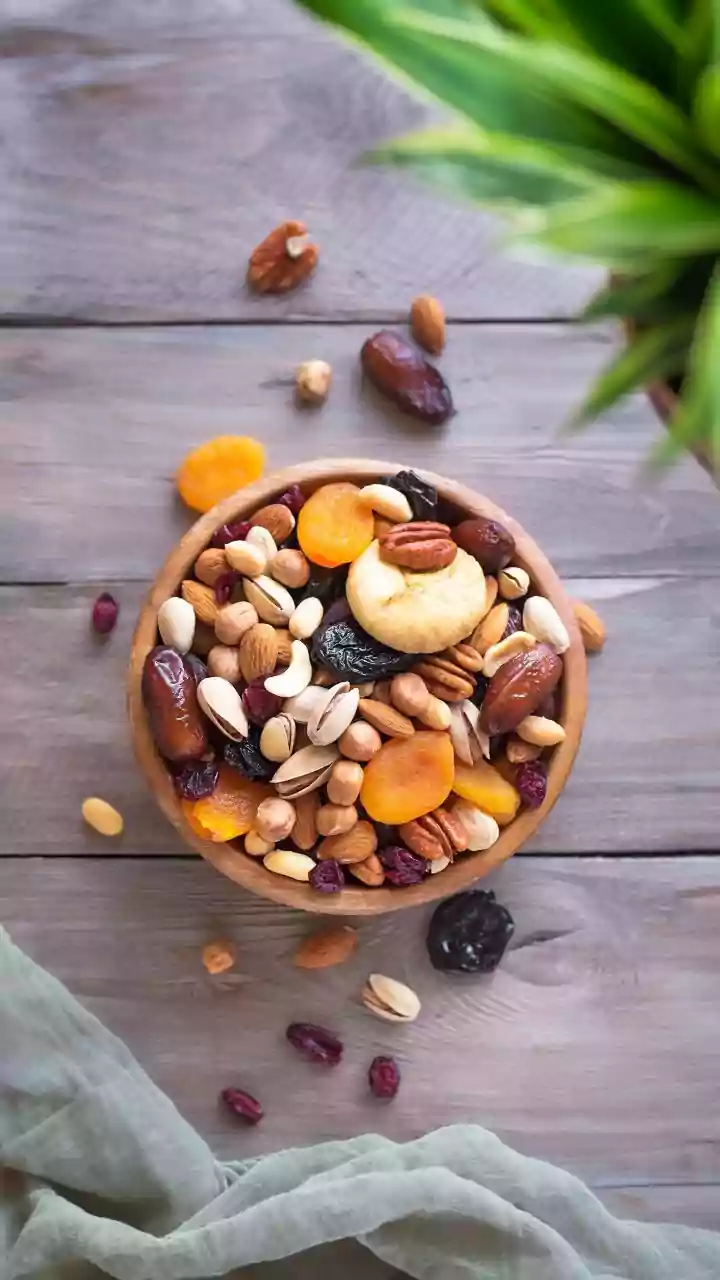
fiber doesn't provide fuel but plays a vital role in maintaining health. Almost all plant foods, including vegetables, fruits, whole grains, legumes, seeds, and nuts, contain a blend of both soluble and insoluble fiber. While nutrition labels often combine them, understanding their individual contributions is key. Interestingly, fiber supplements and fortified foods might offer only one type, potentially missing out on the synergistic benefits found in whole foods.
The Magic of Soluble Fiber
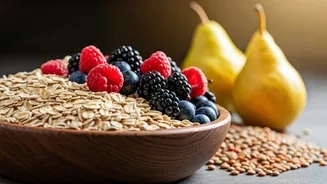
Soluble fiber possesses the remarkable ability to dissolve in water, transforming into a gel-like substance within the digestive tract. This gel significantly slows down digestion, which in turn helps regulate blood sugar levels by preventing rapid glucose absorption after meals. It also plays a crucial role in managing cholesterol; by binding to cholesterol in the gut, it aids in its excretion, thereby potentially lowering LDL ('bad') cholesterol levels and reducing heart disease risk. Furthermore, this type of fiber acts as a prebiotic, feeding beneficial gut bacteria and promoting the production of short-chain fatty acids (SCFAs), compounds vital for immune function, nervous system health, and gut cell integrity. Foods rich in soluble fiber include oats, barley, beans, lentils, apples, citrus fruits, and berries.
The Power of Insoluble Fiber
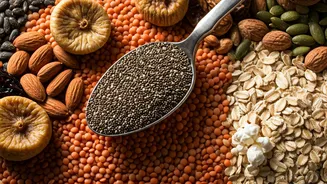
In contrast to its soluble counterpart, insoluble fiber does not dissolve in water. Instead, it passes through the digestive system largely intact, acting like a natural broom. Its primary function is to add bulk to stool and accelerate the movement of food and waste through the intestines, thereby promoting regularity and preventing constipation. Because it's not readily fermentable by gut bacteria, it doesn't significantly contribute to the gut microbiome in the same way soluble fiber does, but it is essential for maintaining smooth bowel movements and supporting the turnover of gut cells. Insoluble fiber is abundant in whole grains, wheat bran, nuts, seeds, and the skins of fruits and vegetables, as well as leafy greens and root vegetables.
Balancing Your Fiber Intake
When it comes to reaping the benefits of fiber, it's not about choosing one type over the other; both soluble and insoluble fibers are indispensable for overall health. The general recommendation is to aim for about 14 grams of fiber per 1,000 calories consumed, though many individuals fall short of the recommended daily intake of 21 to 38 grams. While specific guidelines for the ratio of soluble to insoluble fiber are not definitive, some suggest a 2:1 ratio of insoluble to soluble fiber. The most effective strategy for ensuring adequate intake of both types is to consume a diverse range of plant-based foods daily, including plenty of vegetables, fruits, whole grains, legumes, nuts, and seeds.
Adding Fiber Safely
Increasing fiber intake should be a gradual process to allow your digestive system to adapt. Abruptly consuming large amounts, especially through supplements, can lead to bloating and gas. Start by adding just one high-fiber food to your daily diet, such as an apple or a tablespoon of chia seeds, gradually increasing intake by three to five grams per day. Crucially, adequate water intake is essential, as fiber, particularly soluble fiber, requires water to function effectively and prevent constipation. If you experience digestive discomfort even after these adjustments, consider incorporating low-FODMAP, high-fiber foods like oats or chia seeds, which are less likely to cause gas.