




Why Buttermilk Matters
As temperatures soar, the allure of cold beverages is undeniable, yet many offer fleeting comfort. The body, however, craves something more profound during
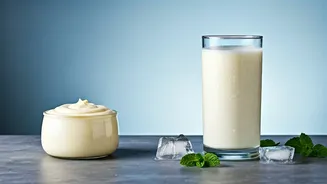
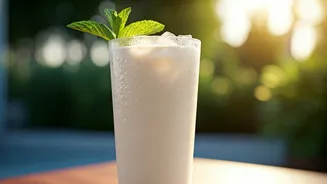
heatwaves – a drink that hydrates, cools, and actively assists digestion simultaneously. Fortunately, this potent remedy might already reside in your kitchen. Buttermilk has been a cornerstone of households for generations, its enduring presence, particularly during warmer months, is no accident. Experts highlight that summer demands a delicate balance, sufficient hydration, and support for the digestive system. This is precisely where buttermilk excels, offering a holistic solution that aligns perfectly with the body's summer needs.
Cholesterol Health Insights
Intriguingly, buttermilk contains MFGM (Milk Fat Globule Membrane), a bioactive compound with notable health implications. A study published in the journal Foods (MDPI) investigated the benefits of MFGM through a comprehensive analysis of six randomized controlled trials involving 464 adults. The findings revealed a significant reduction in both total cholesterol and LDL cholesterol levels among participants who received MFGM supplementation. This research suggests that incorporating MFGM-rich foods like buttermilk could serve as a promising dietary strategy for improving lipid profiles in adults, contributing to better cardiovascular health.
Digestive Aid Unveiled
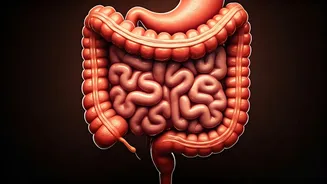
Have you ever experienced a lack of appetite or felt uncomfortably bloated and heavy after meals during the summer? This sluggishness in digestion is your body's natural response to intense heat. According to health experts, extreme temperatures cause digestion to slow down significantly. Buttermilk offers a remarkable solution because it is inherently light and easy to digest. Moreover, it contains beneficial bacteria that promote a healthy gut microbiome. A well-functioning gut is crucial for efficient nutrient absorption and sustained energy levels throughout the day. Unlike heavy dairy products or overly sweet desserts, buttermilk is gentle on the stomach, actively aiding digestion rather than hindering it.
Electrolyte Replenishment
Summer's intense heat leads to profuse sweating, which doesn't just deplete your body's water reserves; it also washes away essential electrolytes like sodium and potassium. Simply drinking plain water may not be enough to restore this vital balance. Experts explain that when you lose significant amounts of fluids through sweat, you also lose critical electrolytes. Buttermilk, especially when prepared traditionally with a pinch of salt and spices like cumin, effectively helps replenish these lost minerals. This makes it a superior choice compared to many commercial beverages that might offer temporary relief but can leave you feeling worse later due to their imbalanced composition.
Body Temperature Regulation
Buttermilk’s benefits extend beyond simple hydration and electrolyte replacement; it actively contributes to regulating your internal body temperature. From a health perspective, buttermilk helps manage body heat without causing adverse effects. This is particularly significant as gut health and overall body temperature are closely interconnected, and buttermilk positively influences both. By supporting a healthy digestive system and providing cooling properties, it offers a dual advantage in keeping your body comfortable and functioning optimally during the hottest periods.
Considerations and Timing
While buttermilk offers numerous advantages, it's important to acknowledge that it's not universally suitable for everyone. Individuals who are lactose intolerant or have dairy sensitivities may still experience discomfort. In such cases, consuming buttermilk simply because it's perceived as healthy could inadvertently cause more harm than good. Furthermore, the timing of consumption plays a crucial role in maximizing its benefits. Experts advise that buttermilk is most effective when consumed during the day, ideally after lunch, aligning with the peak of digestive activity. Drinking it late at night or alongside incompatible foods might diminish its positive effects.