


The Insulin Trigger
The key to effective weight management often lies not just in your main meals, but in the choices you make between them. Many commercially available "diet"
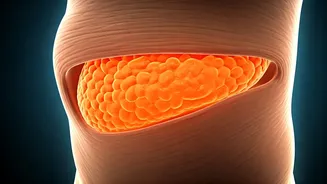
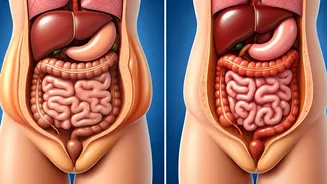
snacks, despite their labels, can inadvertently disrupt your body's natural fat-burning processes. These snacks, often crafted with refined carbohydrates and sugars, cause rapid spikes in blood sugar levels. Consequently, your body releases a surge of insulin, a hormone primarily responsible for storing energy. When insulin remains elevated, your body is put into "storage mode," significantly slowing down fat metabolism. This hormonal rollercoaster can lead to energy crashes, increased hunger shortly after eating, and a cycle of oversnacking. Conversely, foods with a low Glycemic Index (GI) digest slowly, promoting stable blood sugar and moderate insulin levels, which allows your body to access and utilize stored fat for energy more efficiently. Opting for whole grains and seeds, which are naturally low in GI, is crucial for maintaining metabolic balance and supporting your weight loss goals rather than derailing them.
The "Low-Fat" Deception
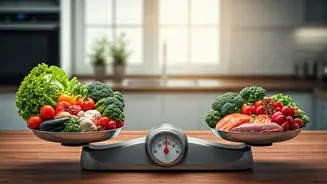
The "low-fat" label on many packaged snacks can be misleading, often masking a hidden abundance of refined carbohydrates, added sugars, and artificial fillers like maltodextrin. In the effort to reduce fat content, manufacturers frequently substitute it with ingredients that behave similarly to sugar in the body. These refined starches digest quickly, providing little to no lasting satiety, which can leave you feeling unsatisfied and reaching for more food soon after. True satiation, on the other hand, comes from a balanced nutritional profile that includes protein, fiber, and healthy fats. These components work together to promote a sense of fullness and provide sustained energy, making them far more effective for long-term weight management than products stripped of their natural goodness in the pursuit of a low-fat claim. Prioritizing whole, unprocessed ingredients is essential for nourishing your body and supporting your metabolic health.
Fueling Satiety: Fiber & Protein
Many individuals find themselves struggling with weight loss not due to a lack of willpower, but because their hunger is not being adequately managed by their food choices. Fiber plays a critical role as a natural appetite regulator; it slows down digestion, absorbs water, and significantly extends feelings of fullness. However, many traditional Indian snacks, often made from refined flour (maida), are notoriously low in fiber, leaving them unable to effectively curb hunger. Equally important is protein, which boasts a higher thermic effect of food (TEF) compared to carbohydrates and fats. This means your body expends more energy to digest protein, providing a metabolic boost. Snacks that are rich in both protein and fiber are therefore instrumental in supporting your metabolism and preventing the persistent hunger that often leads to dietary slip-ups, turning snacking into a helpful tool rather than a hindrance.
Roasting vs. Baking
The distinction between "roasting" and "baking" in snack preparation can have a significant impact on both nutritional value and satiety. While "baked" might sound healthier, many baked snacks are still subjected to frying in oil after the initial baking process, or they rely on emulsifiers to achieve a desirable texture, often still starting with refined ingredients. Roasting, conversely, is a traditional cooking method that utilizes dry heat to cook whole ingredients. This process is more effective at preserving the inherent nutrients within the food and avoids the use of inflammatory industrial oils often found in frying. Furthermore, roasting imparts a satisfying crunch, which is not merely a sensory pleasure but also a physiological cue that aids the brain in registering fullness more rapidly. This makes roasted snacks a superior choice for promoting genuine satiety and overall well-being.
The Hidden Sodium Trap
A common, yet often overlooked, contributor to weight gain and stalled progress from packaged snacks is their high sodium content. Consuming excessive amounts of sodium can lead to water retention, making you feel bloated and masking actual fat loss. This constant intake of salt can also desensitize your taste buds over time, paradoxically increasing your cravings for more intensely flavored, often unhealthy, foods. Sensible snacking involves choosing options that are lightly seasoned with real spices to enhance natural flavors without overwhelming your palate or your body's systems. Opting for snacks with minimal added sodium is crucial for maintaining a healthy balance, supporting your body's natural processes, and keeping your weight loss journey on track without unnecessary water retention.
Smart Snack Substitutions
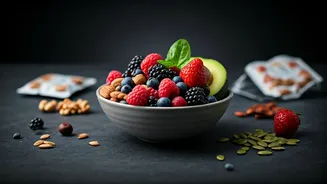
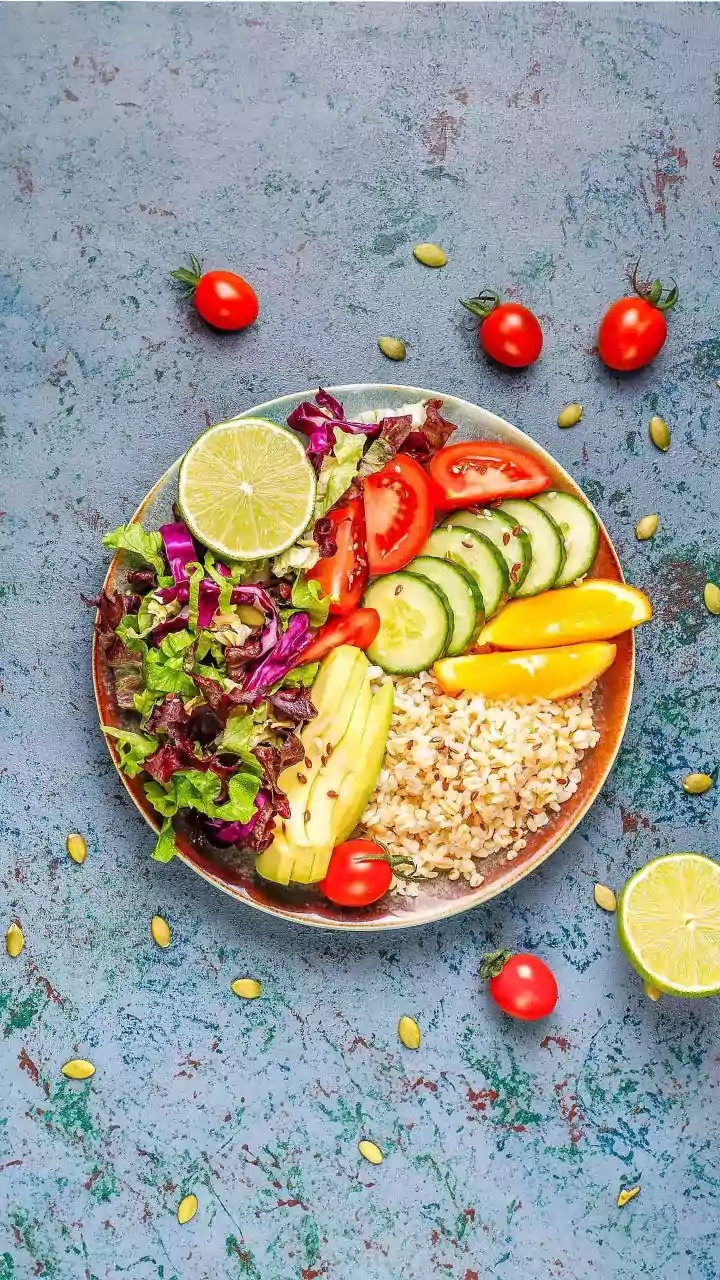
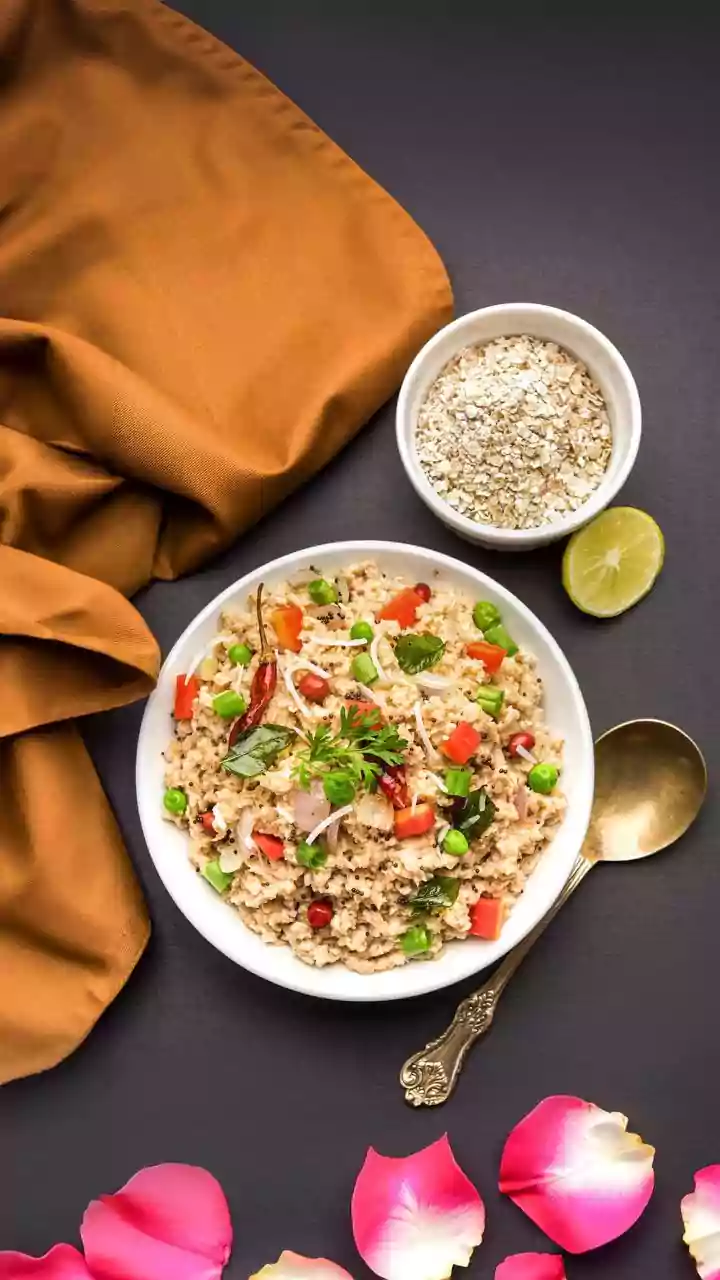
Transitioning to a healthier snacking strategy doesn't require eliminating snacks altogether; it's about making intelligent swaps that align with your weight loss goals. Consider replacing high-Glycemic Index potato chips, which offer empty calories, with a multigrain mix. This substitution provides slow-digesting grains that offer sustained energy and essential millet-based nutrition. Similarly, swap out processed "diet" biscuits, which are often high in refined carbs, for snacks like quinoa. Quinoa is a complete plant protein, containing all nine essential amino acids, making it an excellent choice for muscle support, especially if you're active. Finally, exchange sugary mixes laden with unhealthy coatings for a multiseed blend. Varieties containing pumpkin, flax, sesame, and watermelon seeds, along with dates, deliver valuable fiber and essential fatty acids without added sugars.
Tackling Office Snacking
For many professionals, weight gain is often attributed to constant grazing throughout the workday rather than substantial meals. Common culprits include biscuits with tea breaks, fried snacks during meetings, and vending machine quick fixes. A strategic approach involves keeping nutrient-dense snacks readily available, such as in your desk drawer. Instead of reaching for a biscuit at 4 PM, opt for a handful of a healthier alternative. This simple change can lead to noticeable improvements, including better focus, reduced evening hunger pangs, and a lighter feeling during dinner. By proactively managing your mid-day hunger with smarter choices, you can effectively curb the pattern of mindless grazing that often derails weight management efforts.
Mindful Eating Practices
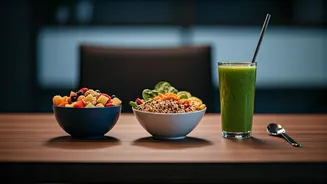
Making snacking a mindful rather than a miserable experience is key to sustainable weight loss. This involves a simple yet powerful technique known as the "Bowl Method." Instead of eating directly from the snack packet, which encourages mindless consumption, take a small portion and serve it in a bowl. This deliberate act prompts you to eat more slowly, paying closer attention to the textures, flavors, and your body's signals of fullness. Because nutrient-dense snacks provide substantial satisfaction, you'll often find that a smaller portion truly is enough. This practice helps to break the cycle of overeating and fosters a healthier relationship with food, ensuring that your snack choices actively support your well-being and weight management goals.