Industry reports suggest the used car market in India is growing rapidly and could expand significantly in the coming years. For every new car sold, about 1.2 used cars change hands. That's a massive market. And wherever there's money changing hands at scale, there are people looking to take advantage of uninformed buyers. If you're looking for the best used cars in India or searching for second hand cars India, understanding the market dynamics helps you make smarter decisions.
Let's make sure you're not one of them.
The Landscape Has Changed (Mostly for the Better)
Here's some good news before we get into the warnings. In 2025, with many inspection tools, financing options, certified used cars in India, and transparent ownership histories, the risks once associated with buying a used car have significantly diminished.
India's used car market processes roughly 6 million transactions annually, yet only 1.2 million flow through organized platforms. The remaining 4.8 million cars (80% of the market) still move through traditional dealers and informal networks.
That statistic tells you something. The organized segment, with its inspections and warranties and return policies, represents the safer option. But it's still the minority. Most transactions happen through local dealers, classifieds, or word-of-mouth. That's where the real risks lie.
The Scams You Need to Know About
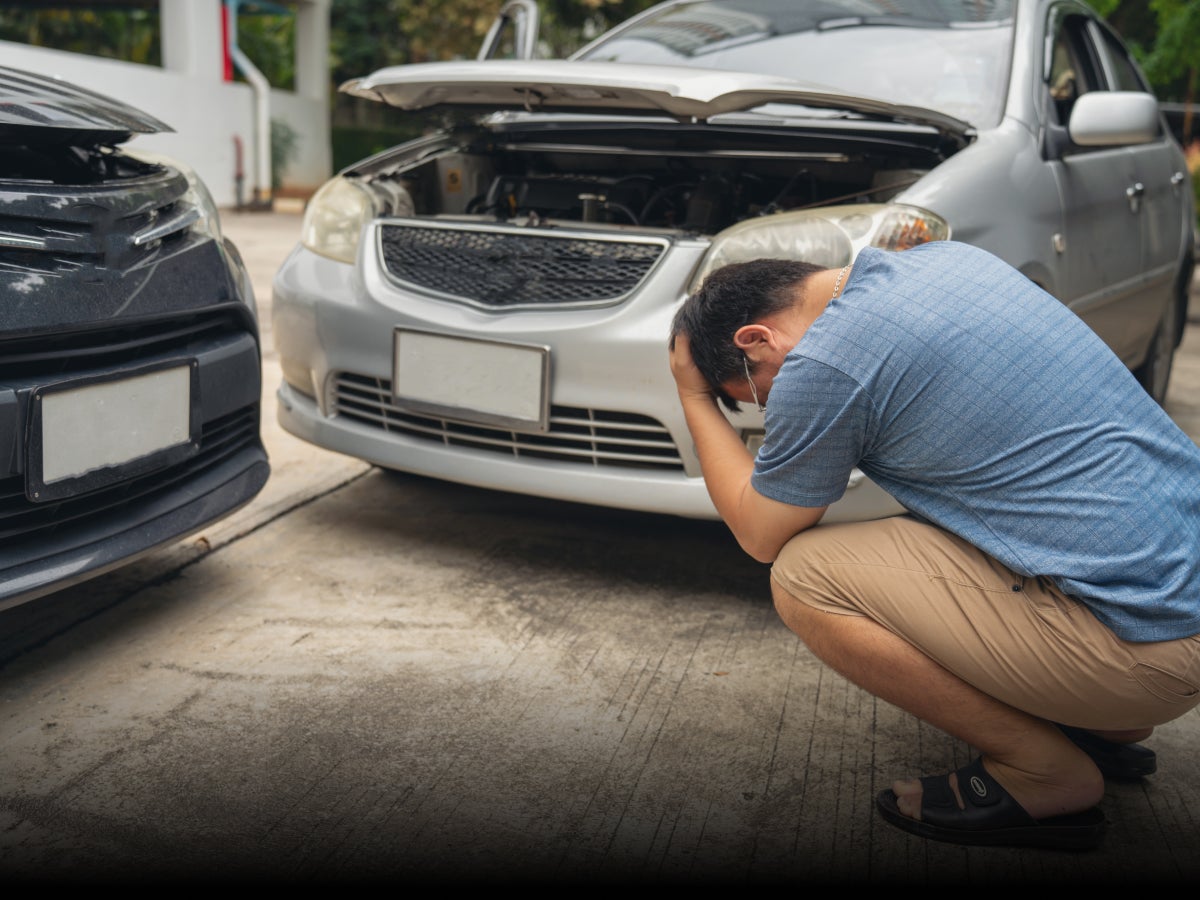
Before we talk about finding deals, let's pause for a second and look at the risks. Because a "deal" that turns into a nightmare isn't a deal at all. Whether you're searching for the best used cars in India or looking at second hand cars India, understanding these scams protects your investment.
1. Odometer Fraud: The Most Common Con
The mileage of a used car has the greatest effect on its value, besides the brand name and model. Odometer fraud, also known as clocking, is among the best-known scams when buying used cars.
The mechanics are simple. A car with 80,000 km on the clock is worth less than one with 40,000 km. So unscrupulous sellers roll back the digital odometer. It's surprisingly easy to do, and surprisingly hard to detect if you don't know what to look for.
Average Indian usage runs between 15,000 to 25,000 km per year. If someone's selling a five-year-old car showing only 25,000 km, that should raise eyebrows. Either it sat unused for years (which brings its own problems), or someone's been creative with the numbers.
How to protect yourself: Always cross-reference the odometer reading with service records from authorized service centres. Check insurance claim records if available. Inspect the wear on the steering wheel, pedals, and gear knob. A car claiming 30,000 km shouldn't have a worn-out driver's seat.
2. The Accident History Cover-Up
Heavily damaged cars are repaired and sold without disclosing accident history. A car that's been in a serious collision might look perfectly fine after a good body shop visit. But the structural integrity could be compromised. The electronics might act up. Problems tend to surface months after purchase, conveniently after any return window has closed.
How to protect yourself: Look for mismatched paint, uneven panel gaps, and welding marks under the hood. Check if doors, boot, and bonnet close smoothly. Run your hand along body panels feeling for bumps under fresh paint. Ask directly about accident history and get the answer in writing.
3. Documentation Fraud
Documentation fraud is another common pitfall. Scammers might forge registration papers or insurance documents.
Fake RCs. Forged insurance. Fictitious service histories. The paperwork might look legitimate at first glance, but won't survive scrutiny. Key vehicle documents such as the title, registration, and purchase invoice can be forged to look legitimate. While the car may seem fine, you'll face problems when trying to register it under your name or during a police inspection.
How to protect yourself: Cross-check the vehicle identification number (VIN) on all documents with the car itself. Verify details with the Regional Transport Office (RTO) for authenticity.
4. The Phantom Car Scam
One of the most common online scams involves offering a car at a price far below market value. Scammers post listings with attractive photos and seemingly great condition. Once you contact the seller, they claim they need to sell quickly due to moving abroad or emergency funds, then ask for a deposit. Once the money is sent, the scammer disappears.
Scammers use abnormally low prices to lure buyers into ignoring necessary checks or rushing into token payments.
How to protect yourself: Compare market prices using reliable online valuation tools. A price 20-30% lower than market rate is a major red flag. Never transfer money without seeing the car in person and verifying documents.
5. The Loan Trap
This scam involves individuals offering installment plans without going through an official leasing company. They promise low monthly payments and no interest. You pay a down payment and continue informal installments. However, after a few payments, the scammer vanishes.
How to protect yourself: Only use financing through recognized banks or NBFCs. If someone offers "interest-free EMIs" outside official channels, walk away.
Choosing Your Platform: The Big Players Compared
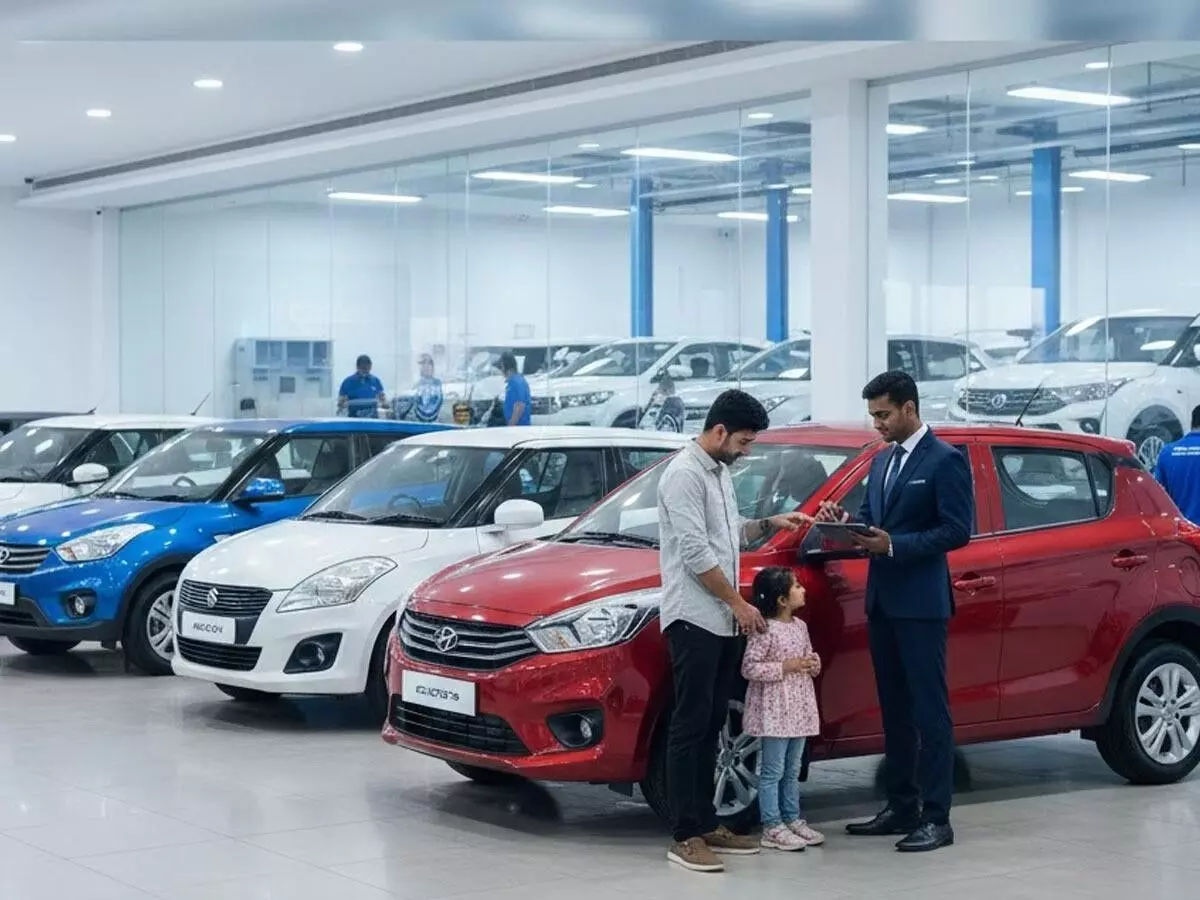
The organized platforms have become significantly more sophisticated. Let's break down your main options.
1. CARS24
CARS24 operates with a large dealer network across many cities, using an auction-based model with real-time bidding and an AI-powered pricing engine. This makes it useful for checking used car prices in India and finding certified used cars India.
CARS24 prioritizes customer experience with features like comprehensive 300+ point physical inspections for inventory cars, 7-day returns, home test drives, and extended warranties up to 3 years or 45,000 km applicable for all cars.
The platform also offers financing options with tenures up to 6 years. If you're selling, they provide same-day payouts after inspection.
Best for: Buyers who want extensive inspection reports and comprehensive warranty coverage. Sellers looking for competitive bidding.
2. Spinny
Spinny's certified quality comes from a strict 200-point inspection process, with detailed reports shared with buyers. They offer transparent fixed pricing and a straightforward return policy. This makes them a good option for those searching for certified used cars in India.
Spinny operates a direct-to-consumer only model, contrary to CARS24's flexible approach which also allows verified dealers and sellers on the platform. This means more curated inventory but potentially fewer options. When checking used car prices in India, Spinny's fixed pricing makes comparison easier.
Vehicles on Spinny are often priced slightly above market rate due to certification and warranty. Trade-in values for sellers are sometimes lower compared to open market rates. However, for buyers looking at the best used cars in India with peace of mind, the premium can be worth it.
Best for: First-time buyers searching for the best used cars in India who prioritize trust and after-sales support over aggressive pricing. Also good for those exploring used car loan India options, as Spinny offers financing partnerships.
3. Maruti Suzuki True Value
True Value cars undergo a 376-point inspection, though the process is entirely digital unlike CARS24's physical inspection. True Value Certified cars come with a vehicle history report, 1-year warranty, and 3 free services, along with RC transfer assistance. These certified used cars in India offer good value for Maruti models.
The online experience may not match dedicated platforms, given the heavier reliance on showrooms and offline experiences. However, if you're looking for the best used cars in India from a trusted brand, True Value is worth considering.
Best for: Maruti owners looking to exchange within the brand ecosystem. People searching for second hand cars India who prefer dealing with established dealership networks. Also suitable for buyers exploring used car loan India options through Maruti's financing partners.
4. Mahindra First Choice (MFC)
MFC has a network of more than 1100 touchpoints that help sellers sell pre-owned cars in metros, smaller towns and regional markets.
They operate primarily through physical dealerships with online listing capabilities. Strong local presence, particularly useful if you're outside major metros.
Best for: Buyers and sellers in tier-2 and tier-3 cities where digital-first platforms have limited presence.
5. OLX and Classifieds
OLX Autos leverages its classifieds dominance and large user base, connecting buyers, sellers, and dealers.
The advantage: more variety, often lower prices since you're buying from individuals. The disadvantage: zero verification, zero warranty, and all the risk falls on you. If you're experienced and know how to use a used car inspection checklist, OLX can yield genuine bargains. If you're a first-time buyer searching for the best used cars in India, proceed with extreme caution.
Best for: Experienced buyers comfortable with independent verification when buying second hand cars India. Those hunting for specific models that organized platforms might not stock. Also suitable for buyers who've done their used car price check India research and can spot good deals.
Used Car Loan Options in India
If you're buying a second hand car in India and need financing, understanding your used car loan options helps you make the right choice. Most buyers don't realize that used car loan India options are quite flexible, with interest rates typically ranging from 8% to 15% depending on the lender and your credit profile.
Bank Loans: Major banks like HDFC, ICICI, and SBI offer used car loans in India with competitive interest rates. Banks usually require a down payment of 20-30% and offer loan tenures up to 5 years. The advantage is lower interest rates, but the approval process can take longer.
NBFC Options: Non-banking financial companies often have more flexible eligibility criteria for second hand car financing. Companies like Mahindra Finance, Bajaj Finserv, and HDFC Bank offer quick approvals, sometimes within 24 hours. Interest rates might be slightly higher, but the convenience factor makes them popular for used car loans in India.
Platform Financing: Many organized platforms like CARS24 and Spinny offer in-house financing options. These are often pre-approved and can be processed quickly. However, always compare these rates with bank and NBFC options to ensure you're getting the best deal on your used car loan India.
What You Need: For any second hand car financing application, you'll typically need proof of income, identity proof, address proof, and the vehicle's RC and insurance papers. Some lenders also require a vehicle inspection report before approving the loan.
Before finalizing any used car loan in India, use online EMI calculators to understand your monthly payments. Remember, the total cost includes not just the principal and interest, but also processing fees, insurance, and other charges. When searching for the best used cars in India, factor in financing costs to understand the true cost of ownership.
The Verification Process: Don't Skip This
Before handing over money, you need to verify three things: the car's legal status, its mechanical condition, and its history. This is true whether you're looking at the best used cars in India or any second hand cars India. A thorough verification process protects you from scams and ensures you're making a smart purchase.
1. Checking Legal Status
RC detail is proof of ownership. Verifying vehicle RC details affirms the owner, which is needed during transactions or resale and for legal purposes.
The official Vahan portal lets you instantly verify Registration Certificate details for any vehicle, including owner name, registration date, validity, insurance, PUC, hypothecation, fitness, tax, and even pending challans.
Here's how to do it: Visit parivahan.gov.in, click on Know Your Vehicle Details, log in with your mobile number, enter the vehicle registration number and captcha, then click Search Vehicle to get details. You can also use the mParivahan app available on Google Play Store and Apple App Store.
Critical checks: Ownership matches seller's ID. No hypothecation (loan) on the vehicle. Insurance is valid. No pending challans. Fitness certificate hasn't expired.
You can verify ownership by matching the seller's ID (Aadhaar/PAN) with the name on the RC. Use the VAHAN portal to check ownership history, number of transfers, and any active hypothecation.
2. Physical Inspection
Always view the car in daylight to spot dents, rust, or mismatched paint (a sign of accident repair). Check tyres, battery health, AC performance, electrical functions, and dashboard warning lights.
Even if the car looks great on the outside, what's underneath matters more. If you're not a mechanic, use a comprehensive used car inspection checklist or hire a certified evaluator. This is crucial whether you're looking at the best used cars in India or any second hand cars India.
Used Car Inspection Checklist: Engine sound at idle and during acceleration. Smoke colour from exhaust. Clutch engagement point. Brake responsiveness. Suspension (bounce test each corner). All electrical accessories (windows, locks, AC, infotainment). Undercarriage for rust or oil leaks. Tyre condition and tread depth. Battery health and age. Fluid levels (engine oil, coolant, brake fluid). Body panel alignment and paint consistency.
Don't feel embarrassed about being thorough. Any seller rushing you or getting annoyed by detailed inspection is hiding something. A proper used car inspection checklist protects you when buying second hand cars India, whether you're looking for the best used cars under 5 lakh or higher-priced vehicles.
3. Documentation Checklist
Never drive away without ensuring paperwork is in order. Legally, until the RC is in your name, the car doesn't belong to you.
Essential documents you must verify:
Registration Certificate (RC): Match engine and chassis numbers with the physical vehicle. Insurance Papers: Confirm validity and that it's transferable. PUC Certificate: Currently valid. Loan Clearance (if applicable): No Objection Certificate from the bank. RTO Forms (28, 29, 30): Essential for ownership transfer. Service History: From authorized centres ideally.
Get a written declaration from the seller stating the car has not been involved in any criminal activity, loan default, or insurance fraud.
Finding Genuine Deals: The Strategy
Now for the part you've been waiting for. How do you actually find good deals without compromising on safety? Whether you're searching for the best used cars in India, checking used car prices in India, or exploring used car loan India options, these strategies help you navigate the market effectively.
1. Compare Across Multiple Platforms
The smart move for any used car buyer is to compare at least two real-time valuations and use verified tools to determine value before deciding.
Check the same model across CARS24, Spinny, True Value, and OLX. Note the price range. If something falls significantly below that range, treat it with suspicion rather than excitement.
Used Car Price Check Tools
Before you start negotiating, you need to know what a fair price looks like. Several tools help you check used car prices in India and understand used car resale value India trends.
CARS24 Price Estimator: CARS24's online tool lets you enter your car's details and get an instant valuation. It considers factors like model, year, mileage, condition, and location. This is useful whether you're buying or selling, as it gives you a baseline for used car price check India.
Spinny Price Calculator: Spinny offers a detailed price calculator that factors in market trends and demand. Their tool is particularly helpful for understanding how location affects used car resale value India. Cars in metro cities often command higher prices than those in smaller towns.
CarDekho Valuation: CarDekho's used car price check India tool provides comprehensive valuations based on their database of transactions. They also offer insights into price trends, helping you understand if prices are rising or falling for specific models.
How to Use These Tools: For accurate used car price check India results, enter complete details including exact model variant, year of manufacture, kilometers driven, and your city. Remember, these are estimates. Actual prices can vary based on condition, service history, and negotiation skills. When searching for the best used cars in India, use multiple tools and average the results to get a realistic price range.
Understanding used car resale value India helps you make informed decisions. If you're buying a car that's likely to depreciate quickly, factor that into your decision. Some models hold their value better, making them smarter choices for second hand cars India buyers who might resell later.
2. Timing Matters
New car launches often flood the used market with trade-ins. Financial year-end (March) sees dealers pushing for numbers, sometimes offering better prices. Festival seasons can go either way, with higher demand but also promotional pricing. When checking used car prices in India, timing your purchase can help you find better deals on the best used cars in India.
3. Negotiate, But Know Your Limits
On organized platforms, prices are often fixed. But on OLX or with individual sellers, negotiation is expected. Start lower than you're willing to pay, but don't insult with ridiculous offers. Focus on documented issues, such as tyres needing replacement or service overdue, as leverage points. Having done your used car price check India research helps you negotiate confidently when buying second hand cars India.
4. Consider Certified Pre-Owned
Certified used cars in India from verified platforms go through 140+ point inspections and come with verified documents, warranty, and no legal baggage. They're ideal for first-time buyers searching for the best used cars in India.
You'll pay a premium for certified used cars India. But the warranty, return policy, and peace of mind often justify the extra cost, especially if you're not confident in your ability to spot problems. When looking at second hand cars India, certified options reduce risk significantly.
5. Don't Ignore "Boring" Cars
The best deals often come from high-volume, common models. A used Maruti Swift or Hyundai i20 will have readily available spare parts, known reliability patterns, and competitive pricing. Rare or imported vehicles might seem appealing but can become nightmares when something breaks.
Best Used Cars to Buy in India (Reliability & Resale)
If you're searching for the best used cars in India, certain models consistently offer better reliability, lower maintenance costs, and stronger resale value. These are the cars that make smart second hand car India purchases.
Maruti Swift: The Swift is one of the best used cars in India for several reasons. It has excellent fuel efficiency, low maintenance costs, and strong resale value. Spare parts are readily available and affordable. For buyers looking for the best used cars under 5 lakh, a 3-4 year old Swift is often a perfect choice. The car's reliability makes it ideal for first-time used car buyers.
Hyundai i20: The i20 combines modern features with good reliability, making it another top choice among the best used cars in India. It offers better interior quality than many competitors, and Hyundai's service network is extensive. A well-maintained i20 holds its value well, which is important when considering used car resale value India. This makes it a smart choice for second hand cars India buyers.
Honda City: Known for its strong resale value and reliable engines, the Honda City is among the best used cars in India for those who prioritize long-term ownership. While initial purchase prices might be higher, the car's durability and fuel efficiency make it cost-effective over time. For buyers searching for the best used cars under 5 lakh, a slightly older City (5-6 years) can be an excellent value.
Toyota Innova: If you need a family vehicle, the Innova is one of the best used cars in India for reliability and durability. These vehicles are known to run for hundreds of thousands of kilometers with minimal issues. While they don't depreciate as quickly as some models, their reliability makes them worth the premium. This is particularly important for second hand cars India buyers who plan to keep the vehicle long-term.
What Makes These the Best Used Cars in India? These models share common traits: strong service networks, readily available spare parts, proven reliability records, and good resale value. When you're checking used car prices in India, you'll notice these models often command higher prices, but that premium reflects their lower long-term ownership costs.
For buyers looking at the best used cars under 5 lakh, consider 3-5 year old versions of these models. They offer the best balance of modern features, reliability, and value. Remember, when searching for certified used cars India, these models are often available with warranties and inspection reports, adding an extra layer of protection.
Red Flags That Should Make You Walk Away
This helps avoid buying accident-registered or refurbished vehicles. Always walk away if anything feels off.
The warning signs: Seller refuses to let you inspect the car thoroughly. Pressure to decide immediately ("other buyers are interested"). Cash-only transactions. Meeting in unusual locations instead of the seller's home or a public place. Documents that don't match or look freshly printed. Chassis number not matching RC. Reluctance to provide service history. Price significantly below market value. Insistence on meeting in isolated locations or pressure for immediate token payment.
Trust your instincts. If something feels off about the deal or the seller, it's better to walk away. There are plenty of honest sellers out there, and patience will help you find the right car without falling victim to scams.
The Post-Purchase Checklist
Found a car? Verified everything? Ready to buy? Here's what happens next:
Before Payment: Final physical inspection with the car running. All documents present and verified. Agreed price in writing. Payment receipt prepared.
Immediately After: Get car transferred to your name through the RTO. Transfer insurance to your name. Register your mobile number and Aadhaar with the vehicle record. Store your digital RC in DigiLocker or mParivahan. It's legally valid without needing the physical copy.
Within First Week: Complete service at an authorized centre. Check all fluids and filters. Test drive extensively in various conditions. Note any issues for warranty claims if applicable.
A Final Word on Balance
Buying a used car online in India has never been safer than it is today. The platforms have matured. The verification tools exist. The consumer protections have improved. Whether you're searching for the best used cars in India or exploring second hand cars India options, you have more resources than ever before.
But none of that matters if you don't use them.
A used car should save money, not create future problems. Always verify documents, inspect thoroughly using a used car inspection checklist, avoid rushed decisions, and buy from trusted platforms. When checking used car prices in India or exploring used car loan India options, take your time and do thorough research.
The best deal isn't always the lowest price. It's the car that runs reliably for years without unexpected bills. That requires doing the homework upfront, even when excitement pushes you to skip steps.
My cousin eventually sold that Honda City at a loss and bought a certified used car in India from an organized platform. Cost him more initially. But two years later, no surprises. That's the real deal.
Whether you're searching for the best used cars in India, checking used car prices in India, or exploring used car loan India options, take your time. Verify everything. And remember: the car that seems too good to be true usually is. When buying second hand cars India, patience and thorough verification are your best protection against scams.
References
For official vehicle verification and automotive industry information, you can refer to these authoritative sources:
- Parivahan Portal - Official vehicle registration and verification
- VAHAN Portal - Vehicle details and ownership verification
- Ministry of Road Transport and Highways (MoRTH) - Transport authority and regulations
- Society of Indian Automobile Manufacturers (SIAM) - Automotive industry data and statistics
- India Brand Equity Foundation - Automobiles - Industry insights and market data