The Sticker Issue
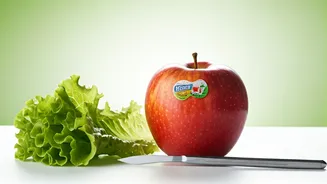
The ubiquitous stickers adorning fruits and vegetables, while convenient for identification and branding, present an often-overlooked health concern. These
small labels adhere to produce using various adhesives, and it's these glues, along with the inks used for printing, that FSSAI warns consumers about. While accidental ingestion of a tiny piece might not cause immediate severe harm, the chemicals present in these adhesives are not meant for consumption. They can potentially lead to mild gastrointestinal irritation, discomfort, nausea, or digestive upset. For vulnerable individuals like children and the elderly, there's even a slight risk of choking if a sticker fragment is swallowed. Continuous exposure to these non-food grade substances can gradually introduce unwanted chemicals into the body, underscoring the importance of careful preparation.
Why Peeling Matters
The primary reason behind the FSSAI's emphatic recommendation to peel fruits and vegetables, particularly those bearing stickers, is to eliminate the risk associated with ingesting adhesive residues. Experts clarify that even if an adhesive is labeled as 'food-grade,' it doesn't imply the sticker itself is safe to eat. The term 'food-grade' pertains to materials that come into indirect contact with food in manufacturing processes, not direct consumption. These stickers serve purely for labeling purposes and are not designed for your digestive system. By choosing to peel your produce, you are effectively removing any potential contaminants from the stickers, including inks and glues, thereby ensuring a safer eating experience and safeguarding your health from potential irritants and unknown chemical exposures.
Proper Washing Techniques
Beyond peeling, FSSAI provides clear guidelines for thoroughly washing fruits and vegetables to enhance food safety. Initially, store produce bought from vendors in their original packaging in a separate area. For washing, thoroughly rinse them under clean, potable water. An alternative method suggested involves adding a drop of 50 parts per million (ppm) chlorine to warm water and briefly immersing the produce. Crucially, avoid using disinfectants, cleaning wipes, or soaps on fresh produce, as these can leave harmful residues. After washing, store items requiring refrigeration in the refrigerator and others at room temperature in baskets. Ensure your sink and washing area are clean, and immediately wipe up any spills on the floor. For packaged goods, sanitization by wiping with an alcohol-based solution or washing with soap and water is advised.