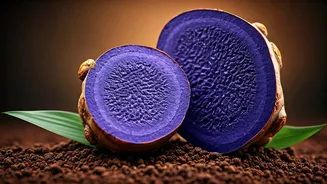
What is Blue Turmeric?
While most people are familiar with the bright yellow turmeric, a less common variety known as blue turmeric, or Curcuma caesia, thrives in India and parts
of Southeast Asia. This unique spice is distinguished by its striking appearance; its interior reveals a deep blue or bluish-black hue, a stark contrast to the sunny yellow of its well-known cousin, Curcuma longa. Unlike its culinary counterpart, blue turmeric is primarily revered in traditional medicine systems, particularly Ayurveda, for its potent medicinal qualities rather than its flavour. Its aroma is often described as stronger and its taste more akin to camphor, making it less appealing for everyday cooking. The fundamental divergence between these two types of turmeric lies in their biochemical makeup and intended applications, setting them apart in the realm of natural remedies and culinary practices.
Distinct Chemical Profiles
The key divergence between blue turmeric (Curcuma caesia) and the commonly used yellow turmeric (Curcuma longa) resides in their distinct chemical compositions and primary applications. Regular turmeric owes its widespread use and potent anti-inflammatory and antioxidant capabilities to a high concentration of curcumin. In contrast, blue turmeric possesses significantly less curcumin but compensates with an abundance of other active compounds. These include various essential oils, camphor, and phenolic compounds, which contribute to its unique medicinal profile. Consequently, while yellow turmeric is a staple in daily cuisine and dietary supplements due to its palatable taste and beneficial curcumin, blue turmeric is predominantly reserved for traditional medicinal practices, folk remedies, and specific Ayurvedic treatments where its distinct properties are leveraged for therapeutic outcomes.
Therapeutic Wonders Unveiled
Blue turmeric is traditionally acclaimed for a spectrum of impressive health benefits, provided it's utilized judiciously and in measured quantities. Ancient healing practices have long employed this indigo root to alleviate pain and combat inflammation, proving particularly effective for joint discomfort, muscle soreness, and injuries. Its inherent antimicrobial properties are also a significant asset, aiding the body in fighting off infections and accelerating the healing process for wounds. Furthermore, blue turmeric is recognized for its supportive role in respiratory health, often administered for ailments such as persistent coughs, asthma, and nasal congestion. Digestive well-being is another area where it shows promise, with traditional uses suggesting it can help mitigate issues like excessive gas and stomach unease. Moreover, its soothing and healing qualities make it a valuable ingredient for addressing various skin conditions, including rashes, itching, and minor abrasions.
Navigating Usage with Care
Despite its remarkable therapeutic potential, the potent compounds within blue turmeric necessitate a cautious approach to its consumption. It is strongly advised that blue turmeric be used sparingly and with careful consideration, as its concentrated active ingredients may lead to adverse effects if not handled properly. Edwina Raj, Head of Services – Clinical Nutrition & Dietetics at Aster CMI Hospital, Bangalore, emphasizes the importance of medical guidance, particularly for vulnerable groups such as pregnant women or individuals managing pre-existing health conditions. The inherent strength of blue turmeric means that its application is best overseen by healthcare professionals to ensure safety and optimize its benefits, preventing potential side effects and ensuring it serves its intended healing purpose effectively.