The Digital Learning Era
The landscape of education has been profoundly reshaped, with online learning emerging as a significant innovation of the past decade. This shift signifies
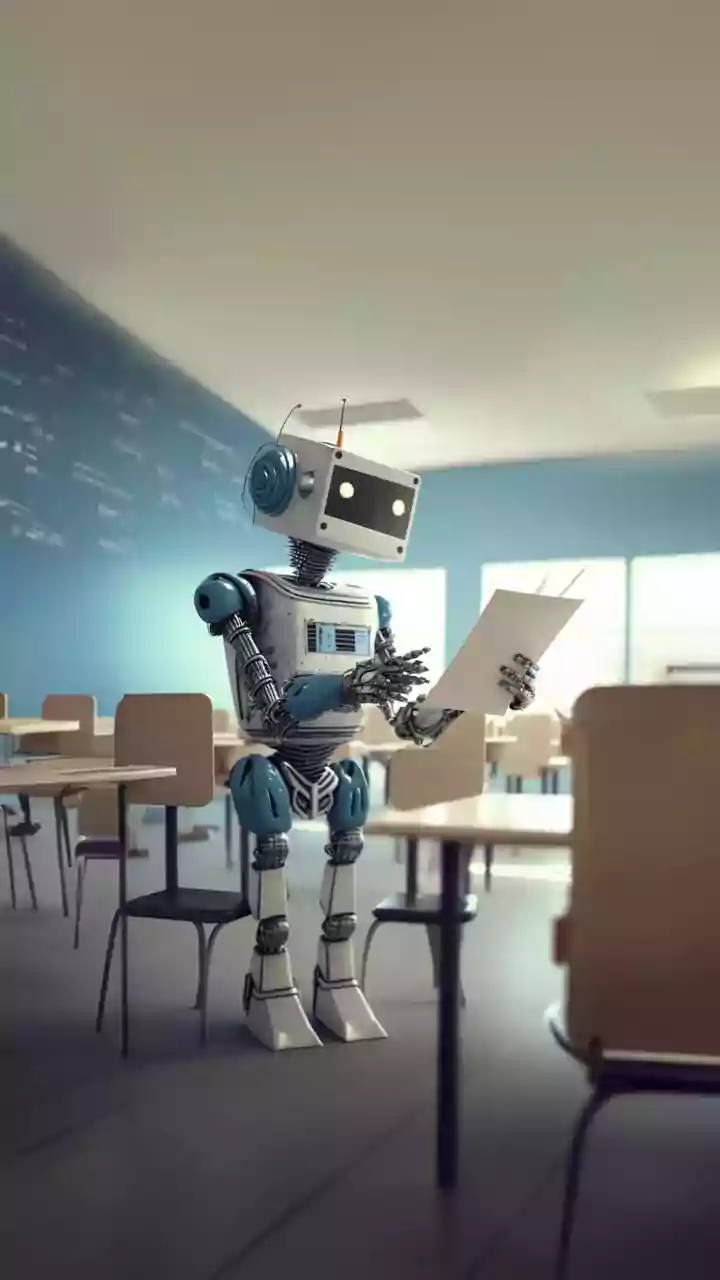
a departure from solely relying on physical classrooms, introducing a flexible and accessible educational model. It's not about replacing traditional schooling but about creating a synergistic relationship where online and in-person learning methods enhance each other. This evolution is crucial for equipping students with the skills necessary to thrive in an increasingly digital world, particularly in the context of an AI-first environment. The integration of these diverse educational approaches aims to broaden access to knowledge and cater to a wider range of learning styles, fostering a more inclusive and effective educational journey for all learners.
Navigating Digital Wellbeing
As technology becomes more integrated into our lives, a critical need arises for digital literacy and responsible usage. It's imperative to instill in younger generations the ability to harness technology's power while remaining mindful of its potential pitfalls. The goal is for individuals to become masters of their digital tools, rather than being controlled by them. Currently, there's a notable deficit in awareness regarding digital wellbeing, despite mounting evidence from research that highlights the impact of excessive screen time on children and teenagers' mental health. Educating users on these aspects is vital for promoting a healthier and more balanced relationship with digital devices and online environments.
Student-Led Learning Revolution
The traditional model of teaching, once heavily faculty-led, is undergoing a significant transformation, rapidly evolving into a more student-centric experience. While educators will continue to play a facilitating role, their absolute control over the learning process is diminishing. This change is largely driven by the vast amount of information readily available online, leading to an information overload. Consequently, students are increasingly taking the reins of their own educational journey, exploring topics and acquiring knowledge at their own pace. However, the necessity for human guidance and expert intervention remains, ensuring that learning is not only self-directed but also accurate and insightful, bridging the gap between information access and true understanding.
Bridging Skill Gaps
The trajectory of essential skillsets is set for a significant divergence from past requirements, presenting a growing mismatch between academic preparation and industry demands. This gap often stems from a deficiency in practical exposure during educational programs. Addressing this challenge necessitates a robust and continuous dialogue between academic institutions and the corporate world. By fostering closer collaboration, educators can gain better insights into current industry needs, enabling them to tailor curricula more effectively. Furthermore, the rise of generative AI poses distinct challenges, particularly concerning its impact on developing and maintaining essential human communication skills, an area that requires careful consideration and proactive strategies.