Treatment Timing Matters
New research suggests that the time of day when cancer treatment is administered could significantly influence its effectiveness. This chrono-chemotherapy
approach leverages the body's natural biological rhythms, known as circadian rhythms, which affect cellular processes, including how cancer cells and healthy cells respond to medication. By aligning treatment with these internal clocks, doctors may be able to enhance drug efficacy while minimizing side effects. This innovative strategy aims to personalize cancer care, making therapies more potent and less taxing for patients. Understanding these biological cycles could revolutionize how we approach cancer treatment, offering a more refined and patient-centric model for battling the disease.
Gut Bacteria and Heart Health
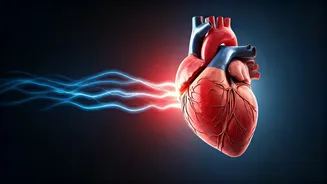
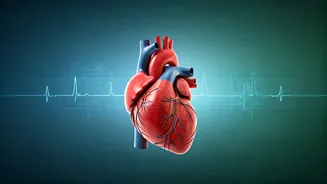
A surprising link has been found between specific gut bacteria and the protection of cardiovascular health. Certain microbes residing in our digestive system possess the remarkable ability to metabolize cholesterol, effectively reducing its levels in the body. This 'cholesterol-gobbling' action by these beneficial bacteria can play a crucial role in preventing heart disease, a leading cause of mortality worldwide. By breaking down excess cholesterol, these gut inhabitants contribute to healthier blood vessels and a reduced risk of plaque buildup. Further investigation into these microbial allies could unlock new avenues for dietary interventions and probiotic therapies aimed at bolstering heart health from within the gut.
Gendered Heart Disease Risks
New studies reveal a significant disparity in the onset of cardiovascular disease between men and women, with men typically developing these conditions approximately seven years earlier. This divergence highlights the complex interplay of genetic, hormonal, and lifestyle factors that influence heart health across genders. While the exact reasons for this early onset in men are still being investigated, it underscores the importance of tailored preventative strategies and early screening for both sexes. Understanding these gender-specific nuances is critical for developing more effective public health initiatives and personalized medical advice to combat heart disease across all populations.
AI in Cancer Detection
Artificial intelligence is revolutionizing breast cancer screening, with landmark trials demonstrating its ability to identify more cancers at an earlier stage. AI-supported systems can analyze mammograms with remarkable precision, often spotting subtle abnormalities that might be missed by the human eye. This enhanced detection capability allows for quicker diagnosis and treatment, significantly improving patient outcomes. The integration of AI into screening protocols promises a future where breast cancer is detected more reliably and at its most treatable phases, offering a beacon of hope in the ongoing fight against this widespread disease.
The Deep Earth's Secrets
Beneath the surface of our planet lies a hidden world, potentially teeming with life that has remained dormant for millions of years. Scientists speculate about vast reservoirs of microbial life existing in deep subsurface environments, patiently waiting for specific conditions to reawaken. This 'sleeping' life, existing in a state of extreme stasis, could represent a significant portion of Earth's biosphere. Understanding these ancient ecosystems could provide insights into the origins of life and the potential for life in extreme extraterrestrial environments. The ongoing exploration of these deep, dark realms continues to unveil the planet's most profound mysteries.
Quantum Physics Frontiers
Physicists are pushing the boundaries of quantum mechanics by achieving unprecedented control over quantum states. In a groundbreaking experiment, researchers successfully transformed a superfluid into a supersolid and then reverted it back again. This remarkable feat demonstrates a new level of manipulation within quantum systems, offering profound implications for our understanding of matter and energy. Such advancements in controlling quantum phenomena are crucial for developing next-generation technologies, including quantum computing and ultra-sensitive sensors, paving the way for transformative scientific and technological leaps.
Cosmic Discoveries
The James Webb Space Telescope continues to deliver awe-inspiring images, revealing the 'invisible scaffolding of the universe.' These ambitious new visuals provide unprecedented insights into the large-scale structure of the cosmos, showcasing the distribution of galaxies and dark matter. Simultaneously, the dramatic death of Comet C/2025 K1 (ATLAS) has been captured on camera, offering a rare glimpse into the celestial events that shape our solar system. These astronomical observations not only expand our knowledge of the universe but also fuel our sense of wonder about our place within it.