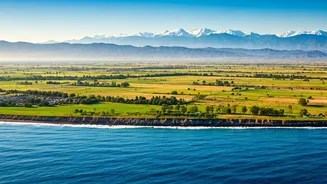
Introduction: Wetland Wonders
India is graced with a network of wetlands, each a unique ecosystem brimming with life. These areas, including marshes, mangroves, and lagoons, are critical
for biodiversity. They provide habitats for a variety of species, filter water, and shield against natural disasters. The following sections will highlight five such wetlands, offering a glimpse into their ecological importance and the extraordinary wildlife they protect. These environments are not only natural wonders, but also essential for the health of our planet.
Chilika Lake: Odisha’s Gem
Chilika Lake, located in Odisha, is the largest coastal lagoon in India and one of the largest in the world. It is recognized as a Ramsar site, denoting its international significance. This vast body of water, covering a considerable area, supports a remarkable diversity of life. The lake is a haven for migratory birds, particularly during winter, with sightings of thousands of birds from distant lands. It is also home to Irrawaddy dolphins, a unique species of freshwater dolphin. Furthermore, Chilika provides sustenance and livelihood for local communities, making its conservation a matter of both ecological and social importance.
Sundarbans: Mangrove Marvel
The Sundarbans, located in the delta formed by the Ganges, Brahmaputra, and Meghna rivers, is another jewel in India’s wetland crown. It's the world's largest mangrove forest. Known for its dense forests and intricate waterways, the Sundarbans is a UNESCO World Heritage Site, recognized for its unique biodiversity. The region is famously the habitat of the Royal Bengal Tiger, an apex predator that plays a crucial role in maintaining the ecosystem's balance. Apart from the tiger, the Sundarbans is also home to a variety of other wildlife, including saltwater crocodiles, various species of birds, and several species of fish and crustaceans. This ecosystem also offers protection against cyclones and coastal erosion.
Keoladeo: Bird Paradise
Keoladeo National Park, located in Rajasthan, is a man-made wetland transformed into a bird sanctuary, also recognized as a UNESCO World Heritage Site. This park is a crucial stopover for migratory birds from across the globe. Thousands of birds, including various species of ducks, geese, and eagles, visit the park each year. Beyond its role as a haven for migratory birds, Keoladeo also supports a variety of other wildlife, including mammals, reptiles, and fish. The park's well-maintained ecosystem provides a safe and resource-rich environment for these species. Conservation efforts are crucial to maintain the delicate balance of this remarkable wetland.
Wular Lake: Kashmir's Beauty
Wular Lake in Jammu and Kashmir, is one of the largest freshwater lakes in Asia. It plays a significant role in regulating the region's water resources and supporting the local economy. The lake is fed by the Jhelum River and numerous other streams, creating a rich habitat for aquatic life. Wular Lake is a habitat for various species of fish and is a vital source of water for irrigation and drinking. Moreover, it is an important breeding ground for various species of birds. The lake's surroundings also offer picturesque landscapes, making it a place of both ecological and scenic significance. The lake's health is intrinsically linked to the wellbeing of the region.