Moon City Ascendant
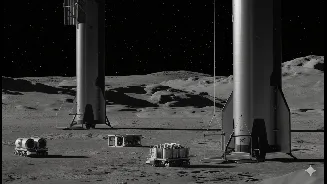
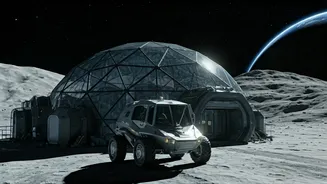
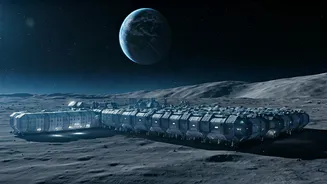
The visionary behind groundbreaking space endeavors has articulated a bold objective: to erect a burgeoning, self-expanding metropolis on the lunar surface
within the span of a single decade. This ambitious project is being championed as a more immediately attainable goal than the long-envisioned colonization of Mars, which is slated for a subsequent phase approximately 20 years down the line. This strategic pivot towards the Moon is rooted in a pragmatic assessment of logistical feasibility and the potential for accelerated development. The overarching mission remains grand: to expand the reach of human awareness and existence into the cosmos, and establishing a lunar foothold is seen as the most efficient initial stride towards this ultimate aspiration. The Moon offers a unique advantage for rapid learning and building.
Lunar Launch Advantage
The decision to prioritize lunar development hinges on significant logistical advantages compared to Mars. Launches to the Moon can be executed with remarkable frequency, occurring approximately every 10 days, and the journey itself is a swift affair, taking only about two days. This contrasts sharply with missions to Mars, which are constrained by orbital mechanics. Such alignments between Earth and Mars happen only once every 26 months, and the transit to the Red Planet is a considerably longer undertaking, demanding around six months. This substantial difference in launch windows and travel duration is instrumental to the strategy, allowing for much faster cycles of testing, refinement, and infrastructure deployment on the Moon. Such rapid iteration is key to achieving a functional lunar settlement within the ambitious timeframe set.
Mars Milestone Ahead
While the immediate focus sharpens on lunar establishment, the ultimate ambition of creating a thriving city on Mars remains very much alive. The plan suggests that the foundational work for a Martian settlement could commence within the next five to seven years, with the long-term objective of cultivating a fully self-sufficient community on the Red Planet taking shape over approximately two decades. Furthermore, earlier pronouncements indicated that the initial uncrewed Starship missions destined for Mars were projected to launch within two years, aligning with the next opportune Earth-Mars transfer window. These pioneering missions are critical for validating the complex landing procedures on Martian terrain. Should these unmanned explorations prove successful, the first crewed expeditions to Mars could potentially follow within four years, marking significant progress towards this grander interplanetary vision.
Starship: The Enabler
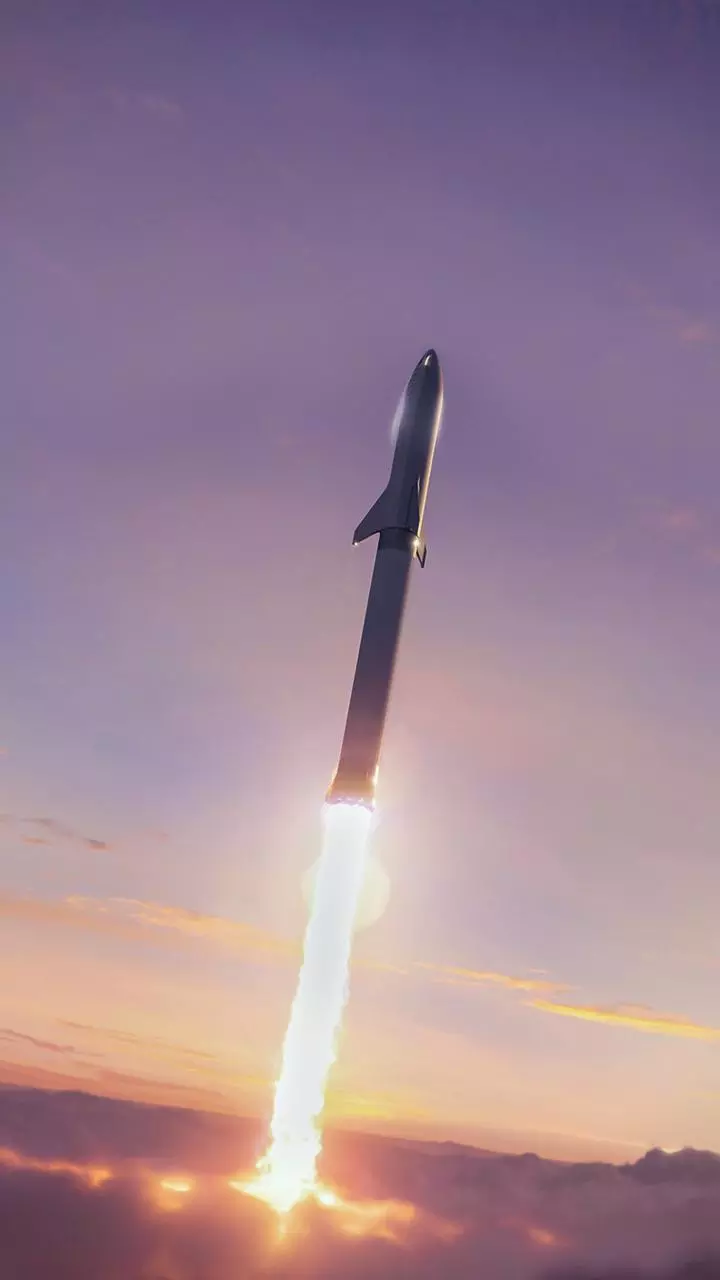
At the heart of these monumental space exploration aspirations lies Starship, a revolutionary vehicle hailed as the most powerful rocket ever constructed. This sophisticated system is meticulously engineered to serve as the primary transporter of both human crews and vital cargo to the Moon, and ultimately, to Mars. Its development is central to the broader strategic roadmap for expanding humanity's presence beyond Earth. The capabilities of Starship are indispensable for executing the ambitious plans for lunar and Martian settlements, providing the necessary lift capacity and interplanetary reach. It represents the technological linchpin that makes these once-fanciful visions of off-world cities a tangible possibility, bridging the vast distances of space with unprecedented efficiency and potential.