The Brain's Instant Spark
Love at first sight, often depicted in romantic comedies, is a real, though not universally experienced, phenomenon. Scientific research, drawing from
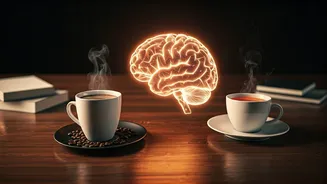
neuroscience and psychology, indicates that this immediate romantic attraction is primarily a function of our brain's rapid processing rather than a mystical heart-led event. Dedicated research labs are exploring this quick onset of attraction, which poses challenges for direct study. Nevertheless, scientists have developed insights into how our brains are wired for swift initial judgments of others, particularly in the early stages of romantic interest. This initial rush is characterized by a cascade of physiological responses, preparing us for potential interaction. The hypothalamus, a small but crucial brain region, plays a key role by signaling the release of adrenaline. This surge contributes to the physical manifestations of attraction, such as an elevated heart rate and increased respiration. Simultaneously, when we gaze upon someone we feel romantically drawn to, specific reward centers in the brain become highly active, suggesting the involvement of dopamine. This neurotransmitter, often called the 'feel-good hormone,' is responsible for creating pleasurable sensations, which likely enhances the memorability and intensity of the first encounter.
Rapid Impression Formation
Our capacity for love at first sight is underpinned by a remarkable cognitive ability: the swift assessment of others. Humans are adept at forming impressions of individuals that can be surprisingly accurate within mere moments. This accuracy doesn't necessarily mean instantly discerning someone's deep character, which requires more time and interaction. Instead, our brains quickly synthesize a constellation of cues to create an impression that is often widely shared within our culture. When an individual is physically attractive, these rapid assessments can lead to an immediate sense of connection. Our brains efficiently process nonverbal signals, such as facial expressions, body language, and even elements like attire and eye contact, to build a positive initial perception. We may not even be consciously aware of this rapid analysis, but our brains are continuously making calculations to determine attractiveness. It's crucial to understand that physical appearance plays a significant role; it's a fundamental aspect of human visual perception that we all engage with, regardless of conscious acknowledgment. Beyond mere physical appeal, other forms of connection can also contribute to this initial spark. A psychological concept known as 'I-sharing' describes a fleeting feeling of shared subjective reality with another person, creating an immediate bond. This phenomenon temporarily dissolves feelings of isolation, fostering a sense of being understood and thereby increasing affection and trust. Research supports that these moments of perceived shared experience can indeed lead to enhanced connection and even lay the groundwork for sustained relationships, demonstrating that more than just physical attraction can initiate profound bonds.
The Path to Lasting Love
While the exhilaration of love at first sight is potent, the initial spark itself is not a reliable predictor of long-term relationship success. Experts emphasize that this immediate attraction, though a pleasant experience, holds no predictive power for the future of a connection. In an era where dating apps encourage rapid judgments, it's counterintuitive but essential to recognize that relying solely on initial attraction can be misguided for finding enduring partnerships. Instead, focusing on deeper connections and more meaningful interactions, even when they feel less comfortable initially, may prove more rewarding. Building a lasting relationship requires more than just an instantaneous feeling; it involves time, effort, and the willingness to explore the complexities of another person. As impressions are bound to evolve over time, embracing a degree of uncertainty and allowing space for genuine discovery is key. True connection flourishes when individuals invest in understanding each other beyond the surface-level appeal, fostering a bond that can withstand the tests of time and evolving perceptions.