The Monetization Maelstrom
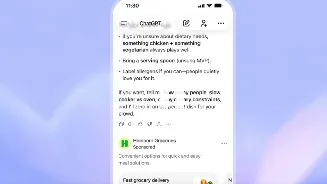
In a landscape where rapid revenue growth is paramount for AI enterprises, the introduction of advertisements into conversational AI platforms like ChatGPT
has become a focal point. OpenAI, spearheaded by Sam Altman, revealed intentions to integrate ads into its popular chatbot, aiming to unlock new revenue streams and sustain its expansive operations. This move, however, has ignited a public spat with competitor Anthropic. The latter, founded by former OpenAI executives who expressed concerns over the pace of commercialization and safety priorities, has actively positioned itself as an ad-free sanctuary. Anthropic launched a prominent advertising campaign, notably during the Super Bowl, emphasizing that its AI model, Claude, would never feature advertisements. This stark contrast in strategy has brought their underlying philosophies and business models into sharp public view, drawing parallels to historical tech rivalries where differing product philosophies defined competing brands.
Ideological Divide Deepens
The public debate between OpenAI and Anthropic transcends mere advertising strategies; it delves into fundamental ideologies shaping the future of artificial intelligence. Anthropic, established by siblings with roots at OpenAI, champions a safety-first ethos, stemming from their departure over concerns about commercial pressures overshadowing ethical development. This has led them to prioritize alignment research and robust enterprise solutions, maintaining a critical eye on their former employer's direction. Conversely, OpenAI faces significant pressure to demonstrate profitability, driving its aggressive commercialization efforts. Sam Altman argues that bringing AI to billions necessitates substantial revenue, positioning OpenAI as a champion for mass accessibility, even if it means exploring diverse monetization avenues like advertising. This philosophical divergence mirrors the classic 'Windows vs. Mac' dynamic, with one advocating for broad, affordable access and the other for a potentially more premium, safety-focused approach, each vying for user trust and market share in a rapidly evolving field.
Coding Agents Emerge
The competitive landscape between OpenAI and Anthropic extends beyond philosophical debates and advertising strategies into the realm of advanced AI capabilities, specifically in autonomous coding. This tension reached a peak with the simultaneous release of their flagship coding tools. Anthropic unveiled Claude Opus 4.6, the engine behind its "Claude Code" agent, engineered to navigate and debug complex enterprise codebases with minimal human intervention. Not to be outdone, OpenAI swiftly countered with GPT-5.3 Codex, a standalone coding agent touted by Sam Altman as capable of performing nearly any task a human developer could undertake on a computer. This strategic launch sequence underscores the intense race to develop and deploy cutting-edge AI tools that can revolutionize software development, highlighting the rapid advancements and fierce competition within the AI sector as both companies vie for technological leadership and market dominance in specialized AI applications.