Ad Integration Unveiled
OpenAI has embarked on a new phase for its popular conversational AI, ChatGPT, by initiating a pilot program that introduces advertisements for a portion
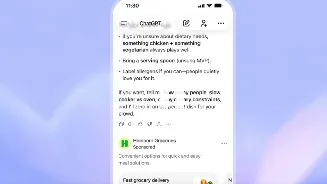
of its free and Go tier users residing in the United States. This strategic decision is presented as a means to democratize access to advanced AI technology, allowing more individuals to utilize ChatGPT without cost and with fewer restrictions. A core tenet of this rollout is OpenAI's commitment to preserving the integrity of user interactions; the company has explicitly stated that these advertisements will be distinct from the AI's generated responses and will not influence the accuracy or nature of the information provided. Each ad is intended to be clearly marked as sponsored and presented in a manner that visually separates it from the conversational output, aiming to maintain user trust, particularly for sensitive or personal inquiries. This move signifies a significant step in OpenAI's ongoing efforts to balance the provision of free services with the financial demands of developing and maintaining cutting-edge AI models.
Balancing Access and Revenue
The introduction of ads into ChatGPT's free service marks a pivotal moment in the competitive landscape of artificial intelligence development, where companies are vying for user engagement and exploring viable monetization strategies. OpenAI's approach emphasizes that this ad integration is designed not to compromise user privacy or diminish the quality of the AI's output. In fact, the company has assured that accounts designated for minors will be safeguarded from ad exposure. The proposed advertising model aims to align with user conversations, meaning that a user inquiring about culinary suggestions might see advertisements for meal kit services or grocery delivery platforms. This contextual relevance is a key feature of the system. Furthermore, OpenAI is providing users with a robust set of controls to manage their advertising experience, including options to dismiss ads, provide feedback, understand ad targeting, and even delete their ad-related data or adjust personalization settings. For those who wish to bypass advertisements entirely, upgrading to paid tiers like Plus or Pro remains an option, or users can opt for a reduced number of daily free messages within the free tier in exchange for an ad-free experience.
Industry Reactions and Defense
OpenAI's foray into advertising within ChatGPT has elicited a spectrum of reactions from industry observers and competitors alike. Notably, a rival AI firm, Anthropic, released a series of satirical advertisements that appeared to critique OpenAI's decision, portraying intrusive product placements within AI conversations. These mock ads, presented with titles such as "Betrayal" and "Deception," depicted scenarios where AI chatbot-like responses were abruptly interrupted by product promotions, leading to user confusion and distress. Anthropic publicly committed to keeping its own AI offering, Claude, ad-free, asserting its dedication to prioritizing user interests and maintaining the sanctity of private communications with AI. However, OpenAI's CEO, Sam Altman, responded to these critiques, acknowledging the humor in Anthropic's ads but labeling the strategy as "dishonest." He reiterated OpenAI's stance that ChatGPT's ads would always be clearly labeled and visually distinct, never interwoven into the AI's core responses. Altman also highlighted the vast user base of ChatGPT, emphasizing its broader reach compared to competitors, underscoring the rationale behind seeking sustainable financial models for such widely used platforms.