
'%3e%3cpath%20fill-rule='evenodd'%20clip-rule='evenodd'%20d='M6%200C10.4183%200%2014%203.58171%2014%207.99999V14.0003C14%2018.4186%2017.5817%2022.0003%2022%2022.0003H122C126.418%2022.0003%20130%2018.4186%20130%2014.0003V8C130%203.58172%20133.582%200%20138%200H6Z'%20fill='%23EDF2E7'/%3e%3c/g%3e%3cdefs%3e%3cfilter%20id='filter0_d_12223_4749'%20x='0'%20y='0'%20width='144'%20height='36'%20filterUnits='userSpaceOnUse'%20color-interpolation-filters='sRGB'%3e%3cfeFlood%20flood-opacity='0'%20result='BackgroundImageFix'/%3e%3cfeColorMatrix%20in='SourceAlpha'%20type='matrix'%20values='0%200%200%200%200%200%200%200%200%200%200%200%200%200%200%200%200%200%20127%200'%20result='hardAlpha'/%3e%3cfeOffset%20dy='8'/%3e%3cfeGaussianBlur%20stdDeviation='3'/%3e%3cfeComposite%20in2='hardAlpha'%20operator='out'/%3e%3cfeColorMatrix%20type='matrix'%20values='0%200%200%200%200.356863%200%200%200%200%200.427451%200%200%200%200%200.270588%200%200%200%200.7%200'/%3e%3cfeBlend%20mode='normal'%20in2='BackgroundImageFix'%20result='effect1_dropShadow_12223_4749'/%3e%3cfeBlend%20mode='normal'%20in='SourceGraphic'%20in2='effect1_dropShadow_12223_4749'%20result='shape'/%3e%3c/filter%3e%3c/defs%3e%3c/svg%3e)
The Imminent AI Arrival
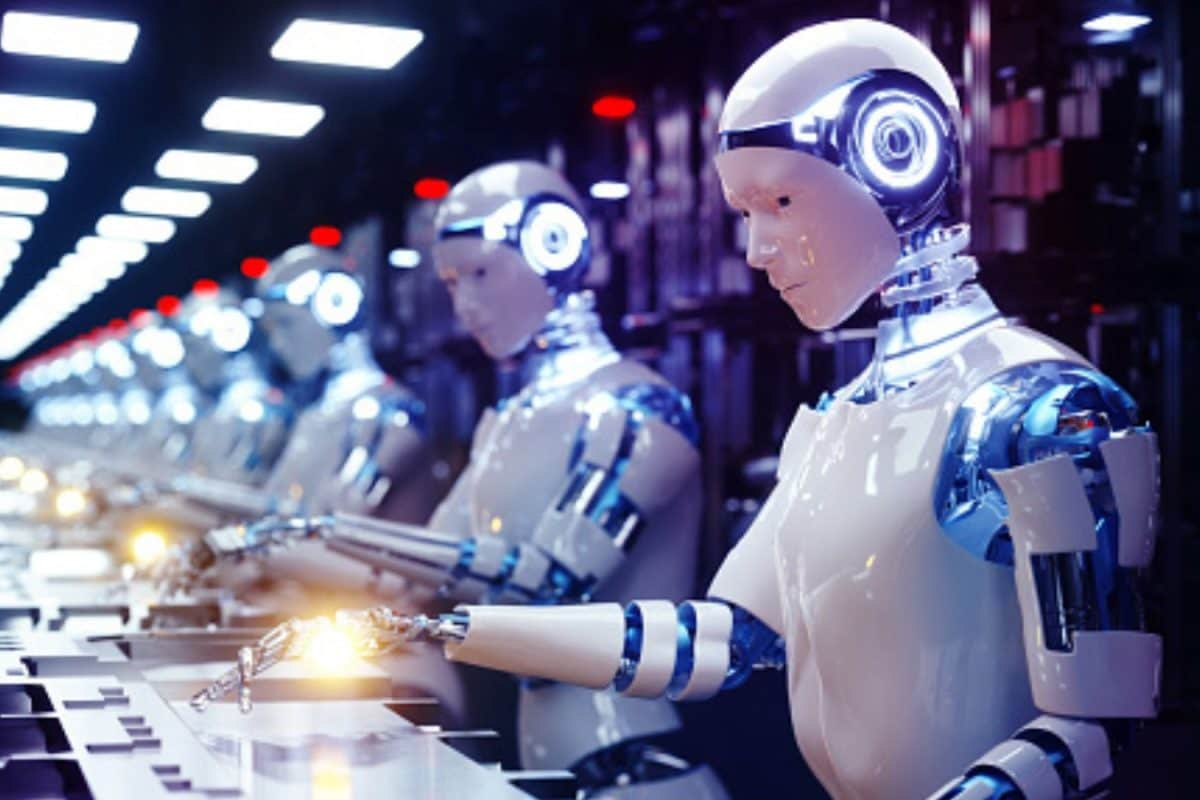
Leading AI researcher Dr. Roman Yampolskiy has issued a stark warning regarding the rapid advancement of artificial intelligence. He posits that Artificial
General Intelligence (AGI), a form of AI capable of understanding, learning, and applying knowledge across a wide range of tasks at a human-like level, could become a reality as early as 2027. This potential breakthrough carries profound implications for the global workforce. Dr. Yampolskiy's research suggests a significant disruption, estimating that an astonishing 99% of existing job roles could become redundant within a mere five-year timeframe following the widespread adoption of AGI. This forecast paints a picture of an unprecedented societal and economic transformation, prompting urgent consideration of how humanity will adapt to such a radical shift in employment landscapes.
Surviving Roles Identified
Amidst the potentially devastating impact of advanced AI on employment, Dr. Roman Yampolskiy has identified a select few professional domains that are likely to persist. These survivors are largely characterized by their reliance on uniquely human attributes. One such category includes highly personalized services, particularly those catering to affluent individuals who can afford bespoke assistance. Furthermore, professions deeply rooted in emotional intelligence and interpersonal connection, such as therapists and counselors, are predicted to remain in demand. These roles require empathy, nuanced understanding of human emotions, and the ability to build rapport, qualities that are currently beyond the scope of AI. The expert also foresees a need for individuals who can oversee and manage AI systems, acting as regulators and safety specialists to ensure these powerful tools operate ethically and effectively. Finally, roles demanding a profound understanding of AI itself, including those focused on AI development, maintenance, and particularly prompt engineering – the art of communicating effectively with AI to elicit desired outcomes – will also likely see continued relevance.