
'%3e%3cpath%20fill-rule='evenodd'%20clip-rule='evenodd'%20d='M6%200C10.4183%200%2014%203.58171%2014%207.99999V14.0003C14%2018.4186%2017.5817%2022.0003%2022%2022.0003H122C126.418%2022.0003%20130%2018.4186%20130%2014.0003V8C130%203.58172%20133.582%200%20138%200H6Z'%20fill='%23EDF2E7'/%3e%3c/g%3e%3cdefs%3e%3cfilter%20id='filter0_d_12223_4749'%20x='0'%20y='0'%20width='144'%20height='36'%20filterUnits='userSpaceOnUse'%20color-interpolation-filters='sRGB'%3e%3cfeFlood%20flood-opacity='0'%20result='BackgroundImageFix'/%3e%3cfeColorMatrix%20in='SourceAlpha'%20type='matrix'%20values='0%200%200%200%200%200%200%200%200%200%200%200%200%200%200%200%200%200%20127%200'%20result='hardAlpha'/%3e%3cfeOffset%20dy='8'/%3e%3cfeGaussianBlur%20stdDeviation='3'/%3e%3cfeComposite%20in2='hardAlpha'%20operator='out'/%3e%3cfeColorMatrix%20type='matrix'%20values='0%200%200%200%200.356863%200%200%200%200%200.427451%200%200%200%200%200.270588%200%200%200%200.7%200'/%3e%3cfeBlend%20mode='normal'%20in2='BackgroundImageFix'%20result='effect1_dropShadow_12223_4749'/%3e%3cfeBlend%20mode='normal'%20in='SourceGraphic'%20in2='effect1_dropShadow_12223_4749'%20result='shape'/%3e%3c/filter%3e%3c/defs%3e%3c/svg%3e)
New Ad Integration
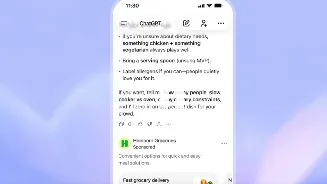
OpenAI has begun a trial phase for advertisements within the ChatGPT platform, initially targeting adults in the United States who are logged in and utilizing
either the Free or Go subscription tiers. For these individuals, sponsored content may appear as integrated placements directly within the ChatGPT interface. Crucially, users on paid plans, including Plus, Pro, Business, Enterprise, and Education, will continue to experience an ad-free environment. This initiative is an experimental approach by OpenAI to generate revenue, thereby supporting the continued availability of a free access tier without compelling all users to opt for a paid subscription. The decision point for users on the free plan essentially narrows down to three distinct paths: continuing with the Free tier and accepting the presence of ads, upgrading to a paid tier like Plus or Pro to maintain an ad-free experience, or choosing to opt out of ads on the Free tier, which may result in a reduction of daily message allowances.
Ad Separation and Trust
OpenAI emphasizes a clear distinction between advertisements and the AI's generated responses. Sponsored content is designed to be visibly separate and clearly labeled, ensuring that users can easily differentiate between paid placements and the standard conversational output. This separation is a key assurance from OpenAI, asserting that advertisements will not influence the quality or helpfulness of ChatGPT's answers. The company maintains that responses will remain optimized for user benefit. For users concerned that an advertising model might subtly steer recommendations, OpenAI's commitment is that such influence will not occur, and the AI's core function of providing helpful information will be preserved.
Relevance and User Choice
The system for matching ads to users is described by OpenAI as a relevance-based mechanism. This involves analyzing the subject matter of current conversations, alongside historical chat data and previous interactions with advertisements. For instance, if a user is engaged in a conversation about recipes, the system might display ads related to meal kit services or grocery delivery. In scenarios where multiple advertisers are suitable, the system is programmed to prioritize the advertisements deemed most pertinent to the user. This personalization aspect highlights the trade-off for users opting out of ads while remaining on the free tier: while they bypass the personalized advertising layer, they will also encounter limitations on the number of free messages they can send daily. OpenAI suggests that obtaining an ad-free experience without restricted usage necessitates subscribing to a paid plan.
Future Expansion and Eligibility
Given that this ad integration is currently a test phase, a significant question revolves around its potential expansion. This includes how rapidly it might extend beyond the initial U.S. user group and the eventual intensity of ad delivery. OpenAI has also stated that it will not present advertisements to users who are known or predicted to be under the age of 18, indicating that some form of eligibility checks will precede ad placements. To proactively manage potential changes, users are advised to review their account settings. This is where decisions regarding ad presence and usage limits will be managed once advertisements begin appearing in their chat sessions, allowing for informed choices before any impact is felt.