Sleeping is supposed to be the most restorative part of your day. But if you wake up tired, congested, or with a dull headache, the problem may not be your mattress or screen time – it could be the air
you’re breathing. Experts say indoor air quality plays a bigger role in sleep and heart health than most people realise, and using an air purifier at night might actually help.
Here’s what science and research suggest.
Why Indoor Air Quality Matters Most While You Sleep
We spend roughly one-third of our lives asleep. During those hours, your body continuously inhales indoor air that may contain dust, pet dander, mould spores, volatile organic compounds (VOCs), and fine particulate matter known as PM2.5. These microscopic pollutants can irritate airways, inflame nasal passages, and disrupt breathing patterns, all of which interfere with deep sleep cycles.
At night, your immune and repair systems are active. If the air is polluted, your body works harder to compensate, which can reduce sleep quality and leave you feeling unrested even after a full night in bed.
Can An Air Purifier Improve Sleep Quality?
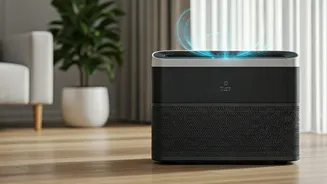
Research indicates that it can. A 2023 study found that people who slept with a HEPA air purifier (capable of removing 99.97% of airborne particles such as dust, pollen, mould and bacteria) slept longer and spent more time in bed compared to those who didn’t use one.
Scientists believe this happens because cleaner air reduces airway irritation and inflammation. Air pollution can trigger oxidative stress, a process that damages cells and tissues and interferes with normal physiological recovery during sleep. Remove those irritants, and your breathing becomes steadier, which helps the body enter deeper sleep stages.
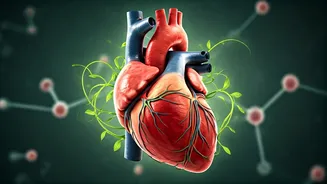
Long-term exposure to PM2.5 pollution has been linked to high blood pressure and cardiovascular strain. Pollutants can trigger systemic inflammation and oxidative stress, both of which affect blood vessels and circulation.
Research has found that using indoor air purifiers for periods ranging from one week to several weeks led to measurable reductions in systolic blood pressure on average. Researchers suggest that lowering nighttime exposure to pollutants gives the cardiovascular system a break from constant environmental stress.
How HEPA Filters Actually Work
The key component is the filter. True HEPA filters are designed to trap extremely small particles, even those invisible to the eye. As air passes through the filter, pollutants get captured in fine fibres, allowing cleaner air to circulate back into the room.
This is why experts consistently recommend true HEPA models rather than basic filters or ionisers.