Cancer prevention is often spoken about in hospitals and screening centres, but many of its foundations are laid much earlier, inside our homes and within our everyday routines. While genetics and environmental
exposure do play a role, a significant number of cancers are linked to lifestyle patterns that are within our control.
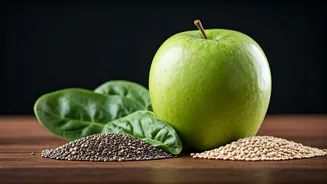
Dr. Shashwat Tiwari, Consultant, Surgical Oncologist, emphasises that prevention begins with the basics. “Eating freshly prepared home food rich in vegetables, fruits, and whole grains while limiting processed food and red meat can make a meaningful difference. Avoiding tobacco completely and staying away from alcohol are equally important,” he says. According to him, even simple habits such as 30 minutes of daily exercise, 7–8 hours of quality sleep, and brief sunlight exposure for 10–15 minutes a day contribute to maintaining a healthy immune system and body weight.
Prevention, however, is not limited to what is on your plate. Dr Tiwari also highlights the importance of mindful kitchen practices. “Wash fruits and vegetables thoroughly, minimise exposure to chemicals, and avoid reheating food in plastic containers,” he advises. He further points out that vaccines such as Hepatitis B and HPV are powerful preventive tools against liver and cervical cancers, and that regular screening for breast, cervical, colon, and oral cancers should never be ignored. “If you notice any unusual lump, swelling, or ulcer that does not heal, consult a doctor promptly,” he adds.
Looking at prevention from a broader lens, Dr Deeksha Katiyar, Founder and Managing Director, WeClinic Homeopathy, believes that resilience starts long before disease appears. “Cancer prevention is often discussed in terms of screenings and treatment, but it actually begins much earlier within everyday home environments. Small but consistent habits such as eating fresh food, maintaining regular sleep, staying active, and managing chronic stress play a meaningful role in reducing overall health burden,” she explains.
From a homeopathic perspective, she notes, prevention focuses on strengthening the individual’s ability to maintain balance under physical and emotional stress. “While no system claims to prevent cancer on its own, supporting the body’s internal regulation from an early stage remains an important part of preventive care,” she says.
Dr Sachin Marda, Senior Consultant Oncologist and Robotic Surgeon (Cancer Specialist), Yashoda Hospitals, Hyderabad, reinforces the role of daily choices. “Many cancers are linked to lifestyle factors we can control, not just fate. Practical changes in diet, activity, and habits can reduce overall cancer risk significantly,” he says. He stresses the value of a balanced diet rich in fruits, vegetables, whole grains, and legumes for their antioxidants and fibre content, which protect cells and support immunity. Regular physical activity even in the form of walking, cycling, or household chores helps maintain a healthy weight and lowers the risk of several cancers.
Dr Marda also underlines two of the most critical risk factors. “Avoiding tobacco is the single most powerful step a person can take. Smoking and second-hand smoke are linked to cancers of the lung, mouth, throat, and pancreas. Limiting alcohol intake also lowers the risk of breast, liver, and digestive cancers,” he explains. Routine health screenings, he adds, play a vital role in early detection and timely intervention.
Across these perspectives, one message remains consistent: cancer prevention is not about one drastic change but about small, sustainable habits practised every day. By eating thoughtfully, staying active, avoiding harmful substances, managing stress, and keeping up with screenings and vaccinations, individuals can significantly lower their risk while improving overall health and quality of life.
Prevention does not begin in a clinic. It begins at home with the choices made at the dining table, in the kitchen, and through daily routines that quietly build long-term resilience.