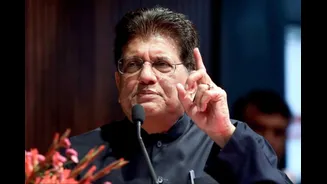
VIDEO | Delhi: “There is absolutely no basis of that report. No such meeting or visit took place”, says MEA spokesperson Randhir Jaiswal (@MEAIndia), responding to a media query regarding reports of a meeting between NSA Ajit Doval and US Secretary of State Marco Rubio, last… pic.twitter.com/ClPzu1WLUT
— Press Trust of India (@PTI_News) February 5, 2026
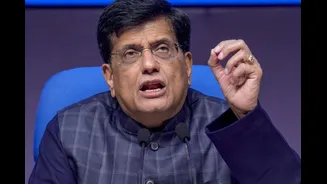
Dismissing the report published by Bloomberg, Ministry of External Affairs spokesperson Randhir Jaiswal said, “I would like to say that there is absolutely no basis for this report. No such meeting or no such visit has taken place."
Citing officials, Bloomberg reported that during the purported meeting, Doval told Rubio that India would not be rushed or pressured into a trade deal with the US, even if that meant waiting out President Donald Trump’s term in office.
India’s categorical denial has underscored New Delhi’s stance that the report was inaccurate and unfounded.
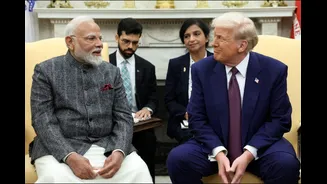
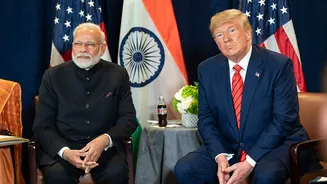
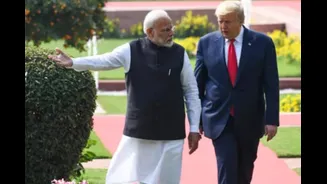
The clarification comes amid renewed momentum in India–US relations following the announcement of a trade agreement between President Trump and Prime Minister Narendra Modi.
Under the agreement, announced days before the Bloomberg report was published, US tariffs on Indian goods were reduced to 18 per cent, while a punitive 25 per cent duty imposed over India’s purchase of Russian oil was withdrawn.
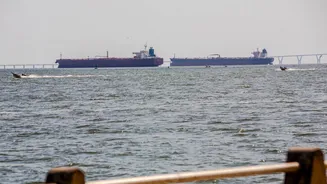
In his announcement, Trump also claimed that New Delhi had agreed to stop purchasing Russian oil and begin sourcing crude from Venezuela.
"In so far as India’s energy security or energy sourcing is concerned, the government has stated publicly on several occasions, including by me here, that ensuring the energy security of 1.4 billion Indians is its supreme priority. Diversifying energy sourcing in keeping with objective market conditions and evolving international dynamics is at the core of our strategy. All of India’s decisions are taken and will continue to be taken with this objective in mind," said Jaiswal.
On Venezuela, he said the country has been a long-standing partner for India in the area of energy, both on the trade side and as also on the investment side.
"We were importing energy or crude oil from Venezuela till 2019-20 and thereafter, we had to stop. Again, we started buying oil from Venezuela in 2023-2024, but had to stop which were halted because of reimposition of sanctions. As you are aware that Indian PSUs, they have established partnership with the National Oil Company of Venezuela, PDVSA, and our PSUs have maintained presence in the country since 2008. Consistent with our approach to energy security, India remains open to exploring the commercial merits of any crude supply options," he added.