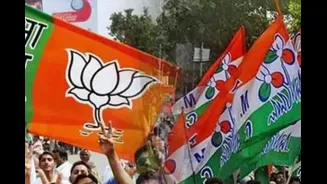
TMC's Dual Powerhouse
The Trinamool Congress's campaign strategy for the upcoming West Bengal elections is anchored by two key figures, embodying a blend of iconic leadership
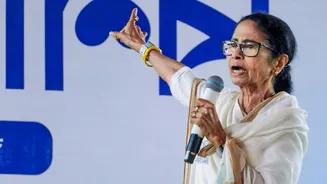
and ground-level organization. Mamata Banerjee, the party's most potent vote-getter, continues to be the central face, dedicating her efforts to reinforcing core messages of regional pride and social welfare programs. Her schedule is packed with rallies across southern Bengal, aiming to connect directly with voters. Complementing her overarching presence, Abhishek Banerjee has significantly expanded his campaign responsibilities. He is actively engaged in direct outreach to specific constituencies, especially those anticipated to be closely fought, and is instrumental in coordinating the efforts of individual candidates. This dynamic ensures the party maintains a strong public profile while also focusing on the intricate operational aspects of mobilizing support at the grassroots level, creating a robust campaign infrastructure.
BJP's State and Central Push
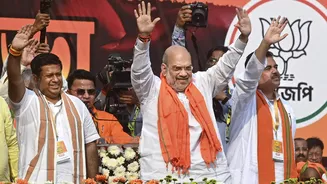
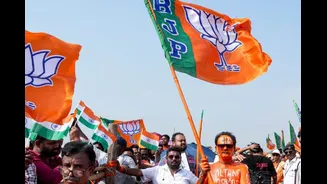
The Bharatiya Janata Party's campaign in West Bengal is spearheaded by Suvendu Adhikari, who has become the most prominent state-level voice for the party. His rallies, particularly in regions like Nandigram and East Midnapore, are characterized by strong critiques of the incumbent TMC government, positioning him as the primary challenger to Mamata Banerjee. On the organizational front, leaders such as Dilip Ghosh and Sukanta Majumdar are actively involved in campaigning within their respective districts, focusing on areas in north Bengal and established party strongholds. As the election dates draw nearer, the BJP anticipates an increased involvement from its national leadership, including Prime Minister Narendra Modi and Home Minister Amit Shah. Their appearances are strategically planned for high-stakes constituencies where the party aims to solidify its existing support base or make significant inroads, leveraging national recognition to influence local outcomes.
Congress-Left's Targeted Approach
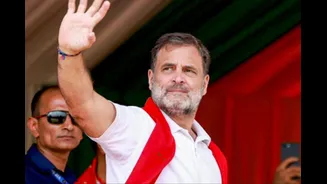
The campaign efforts of the Congress and Left parties in West Bengal are marked by a more localized and issue-centric approach, lacking a single dominant statewide personality. Adhir Ranjan Chowdhury remains the most recognizable figure for the Congress, concentrating his campaigning in specific areas of Murshidabad and central Bengal. For the Left Front, Mohammad Salim is leading the charge, with a focus on mobilizing support around pressing issues such as unemployment, rising inflation, and perceived governance failures. Unlike the TMC and BJP, whose campaigns are largely centered around charismatic leaders, the Congress-Left alliance's visibility is more diffused. This presents a challenge in a political landscape that increasingly emphasizes individual personalities, potentially limiting their broad appeal in this election cycle.
Personalities Drive Narrative
As the election season progresses in West Bengal, the campaign narrative is increasingly shifting towards direct confrontations between prominent political figures, moving beyond purely party-based messaging. Certain constituencies, like Nandigram and Bhabanipur, are being highlighted as symbolic battlegrounds, significantly amplifying the influence of star campaigners. Across all major political parties, the overarching strategy is to deploy their most influential leaders to maximize public visibility, energize party workers, and decisively shape the electoral discourse in the crucial final stages before voting. With an anticipated surge in rallies, roadshows, and high-intensity campaigning in the coming days, the role of these star campaigners is poised to become even more critical, transforming the West Bengal election into a contest defined not only by party ideologies and policies but also by the captivating presence of leaders commanding the political arena.