Birth of a Grand Dame
In 1936, Delhi welcomed its very first luxury hotel, an establishment that would soon become intrinsically linked to the city's evolving narrative. This
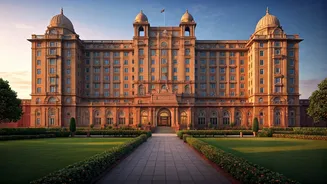
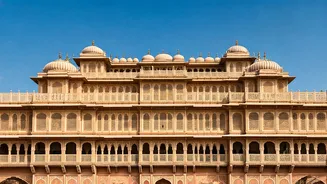
grand edifice, known as The Imperial, was envisioned and brought to life by Sardar Bahadur Ranjit Singh, a landowner whose family continues to manage the property today. Its creation was a direct response to the British decision in 1911 to relocate the capital of India from Calcutta to Delhi. Renowned architects Edwin Lutyens and Herbert Baker were already engaged in crafting the imposing structures and sweeping boulevards of the new capital, but a sophisticated venue for distinguished visitors, including royalty and administrators, was conspicuously absent. Thus, The Imperial was conceived to fill this void. The architectural design, attributed to F.B. Blomfield, masterfully blended the refined aesthetics of Victorian sensibilities with the emerging flair of Art Deco. The hotel's official opening was graced by Lord Willingdon, the then Viceroy of India, and its very identity was imbued with 'imperial' symbolism from its inception, with Lady Willingdon personally selecting its insignia, name, and distinctive lion emblem. At the time of its inauguration, a night's stay came with a price tag of Rs 20. Spanning eight acres in what is now Janpath, the hotel was instantly recognizable, framed by towering palm trees and guarded by majestic bronze lions that exuded an aura of grandeur and authority, setting the stage for its future as a prominent landmark.
A Hub for Diplomacy and Decisions
Very quickly after its grand opening, The Imperial transformed into more than just a lavish accommodation; it became a vibrant crossroads for influential figures of the era. The hotel’s opulent halls and elegant suites served as a clandestine meeting ground for a diverse array of individuals, including high-ranking British officials, foreign diplomats, and prominent Indian leaders. Iconic figures such as Mahatma Gandhi, Jawaharlal Nehru, and Muhammad Ali Jinnah were frequent visitors, their presence underscoring the hotel's significance as a nexus of power and discourse. As India navigated the complex path towards independence, the discussions and decisions that would shape the nation's future, including the deeply consequential Partition, often unfolded within The Imperial's walls. It was a setting for critical press briefings involving Nehru and Jinnah, where key announcements regarding the impending division of the subcontinent were made. Remarkably, the staff are said to have preserved the very table where these historically significant interactions took place, a tangible link to the past. The hotel also hosted meetings among the rulers of the various princely states, further cementing its role as a central venue for high-stakes political maneuvering and national decision-making during this transformative period.
Witness to Partition's Turmoil
The days surrounding India's Independence on August 15, 1947, were marked by both elation and immense sorrow, and The Imperial found itself a unique vantage point from which to observe this profound national transition. While the country celebrated freedom, it was also grappling with the devastating consequences of the Partition, which led to one of history's largest mass migrations and widespread violence. Amidst this profound societal upheaval, life within The Imperial continued with a striking sense of normalcy. The hotel remained operational, serving meals, managing guest check-ins, and facilitating ongoing diplomatic activities, even as the city of Delhi was irrevocably transformed by the influx of refugees and the ensuing chaos. This juxtaposition of continued service and the surrounding turmoil has led some historians to aptly describe The Imperial as a "silent witness" to the human toll of political decisions. Its steadfast functioning, even as the nation underwent immense fragmentation, serves as a poignant reminder of the complex realities faced during that period, highlighting the resilience and continuity of certain institutions amidst widespread societal disruption.
A Living Legacy of Art and Luxury
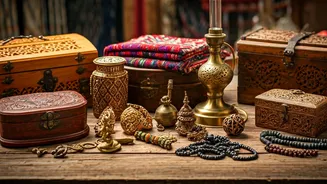
In the decades following India's Independence, The Imperial seamlessly adapted to the new national identity, evolving into an institution closely associated with political influence and national pride. It remained a favored locale for many political figures, with members of the prominent Nehru family reportedly maintaining a permanent suite, a testament to its enduring appeal. Beyond its political connections, The Imperial has cultivated a distinct identity as a veritable living museum. Its extensive collection features over 5,000 original artworks dating from the 17th and 18th centuries, offering guests a unique artistic immersion. From the 1990s onward, the hotel embarked on a comprehensive renovation, thoughtfully integrating contemporary luxury standards while diligently preserving its rich historical character and heritage. Today, under the stewardship of the Akoi family, descendants of its founder Sardar Bahadur Ranjit Singh, The Imperial continues to enchant its guests. With approximately 235 rooms and suites that artfully blend Art Deco elements with traditional English décor, alongside exquisite fine-dining establishments, beautifully landscaped gardens, a luxurious spa, the grand Royal Ballroom, and distinctive heritage bars, the hotel stands as a proud custodian of its legacy, firmly established as one of Delhi's most recognizable and cherished landmarks.