The Unusual Gait
Malaika Arora, a prominent figure in the entertainment industry, has openly addressed the distinctive way she walks, often humorously referred to as a 'duck
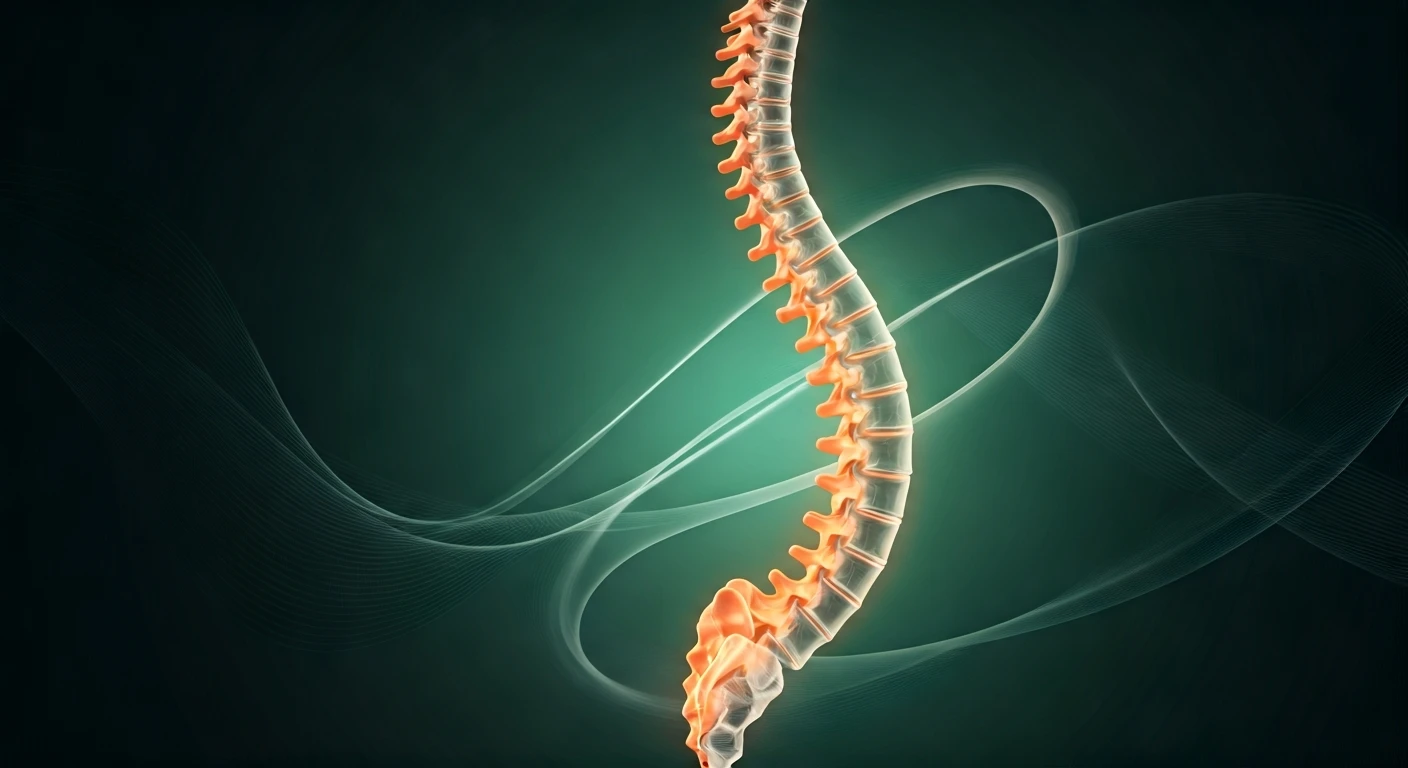
walk'. At 52, she revealed that this peculiar gait is actually a therapeutic recommendation from her doctor. The rationale behind this advice stems from her frequent struggles with lower back pain, a common ailment often exacerbated by the regular wear of high heels and other lifestyle factors. Her doctor's prescription involves a specific, mindful practice: incorporating 10-15 steps of this 'duck walk' both in the morning and at night. Arora emphasizes that this movement aids significantly in promoting proper body alignment, counteracting the tendency to slouch that many individuals develop. She believes it helps retrain the body's natural posture and reduce strain, offering a simple yet effective method for daily spinal support and improved body awareness.
Expert Insights on Duck Walking
Orthopaedic consultant Dr. Sarang Deshpande elaborates on the mechanics and benefits of the duck walk, describing it as a deliberate and controlled method of locomotion. In this specific walk, the feet are positioned slightly inward, and each step is taken with a focus on mindfulness and slowness, aiming to recalibrate the body's alignment. Dr. Deshpande highlights that modern lifestyles, characterized by prolonged sitting and frequent high-heel usage, often lead to postural issues such as rounded shoulders, an exaggerated lumbar curve, and uneven weight distribution. The duck walk, when executed correctly, engages crucial muscles in the hips, thighs, and core, all of which play a vital role in supporting the spine. This controlled movement can enhance balance and cultivate a greater sense of body awareness, potentially mitigating the adverse effects of modern sedentary habits on spinal health and overall posture.
Heels, Pain, and Correction
The impact of wearing heels on the body's structure and the potential corrective role of the duck walk are significant. Regularly wearing high heels shifts the body's natural center of gravity forward, placing undue stress on both the lower back and the knees. Over time, this can manifest as persistent discomfort or even chronic pain in the lumbar region. Dr. Deshpande explains that exercises like the duck walk can function as a corrective intervention by activating underutilized muscle groups that help support good posture. This process gently realigns the body and alleviates pressure on the spine. However, he cautions that the duck walk is not a standalone cure. A comprehensive approach that includes reducing reliance on high heels, incorporating regular stretching routines, and engaging in targeted strengthening exercises is essential for sustained relief and prevention of lower back issues.
Safety and Implementation
While the duck walk offers potential benefits, Dr. Deshpande stresses that it is not universally suitable for everyone. Individuals experiencing knee pain, pre-existing ligament injuries, hip problems, or significant balance deficits should refrain from attempting this exercise without explicit medical guidance. Incorrect execution of the duck walk can inadvertently place excessive strain on the joints, particularly the knees, leading to further complications. If a healthcare professional recommends the duck walk, it should be integrated into a routine in brief intervals, typically consisting of 10 to 15 mindful steps, performed once or twice daily. The emphasis should always be on slow, deliberate movements rather than speed or intensity. For optimal and long-term advantages, this exercise should be complemented by broader efforts in posture correction, thoughtful footwear choices, and consistent engagement in overall physical activity.