Unforeseen Global Turmoil
The ongoing conflict in West Asia, now in its second month, is casting a long shadow over Mumbai's expansive public infrastructure initiatives, which are
among the city's most ambitious in decades. Contractors working on several key projects, including the Sewri-Worli Connector, Metro Line 6, and the Thane bullet train depot, have formally declared force majeure. This legal clause signifies an unavoidable event impacting their ability to fulfill contractual obligations. The primary concerns cited are severe shortages of Liquefied Petroleum Gas (LPG) and a dramatic increase in the cost of imported construction materials. These factors are creating a dual threat: pushing project timelines beyond their scheduled completion dates and significantly escalating the financial outlay required to finish these vital city developments. Other contractors, while not yet issuing formal notices, are preparing to utilize price variation clauses when their invoices become due, anticipating further financial strain.
Supply Chain Disruptions
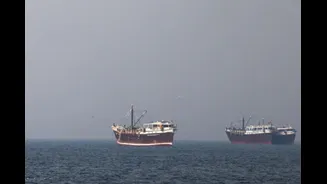
The root cause of these escalating issues can be traced to the disruption of global shipping routes, specifically the blockade of the Strait of Hormuz. This critical maritime passage has forced cargo vessels to reroute around the Cape of Good Hope, adding an immense distance of 6,000 to 10,000 nautical miles to their journeys. This detour translates into an additional 20 days at sea, and a substantial cost increase of Rs 1.5 to Rs 3.5 lakh per container. The impact on the construction sector is immediate and severe. A report from ANAROCK Group on March 19th highlighted that steel prices have already surged by 20%, with similar inflationary pressures felt across other essential materials like aluminium, bitumen, tiles, and ceramics. For high-rise construction projects, this translates into an added expense of approximately Rs 50 per square foot, a burden that contractors are struggling to absorb.
On-Ground Impact: LPG Crisis
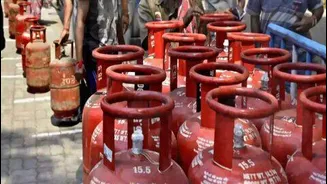
The consequences of these global events are acutely felt at the ground level of construction sites. A prime example is the dismantling of the 112-year-old Elphinstone bridge, a critical component of the Sewri-Worli Connector project. This intricate demolition process relies heavily on LPG for gas cutters, essential for slicing through the robust, century-old steel. Officials from Space Chem Engineers Pvt Ltd, the contractor for this segment under the Maharashtra Rail Infrastructure Development Corporation (MRIDC), reported that a single LPG cylinder, previously costing around Rs 2,000, now commands a price of Rs 7,000. Facing a September deadline, the sub-contractor could not afford further delays. They managed to complete the final dismantling phase by drawing from existing stock and procuring cylinders at the inflated prices. This situation was communicated to MRIDC in a late March letter, though an MRIDC spokesperson stated they were unaware of the specifics. The managing director of MRIDC did not respond to inquiries regarding the matter.
Metro Line 6 Woes
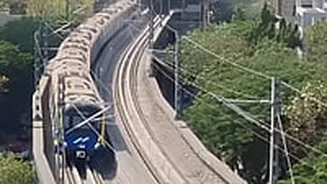
Further complicating the infrastructure landscape is Metro Line 6, an east-west transit corridor stretching from Swami Samarth Nagar to Vikhroli, slated for full operation by 2027. A contractor engaged on this project formally notified the Delhi Metro Rail Corporation (DMRC), the implementing agency appointed by the MMRDA, by invoking force majeure in late March. The contractor cited significant cost escalations across a wide array of materials, including steel, aluminium, tiles, cement, paints, plumbing supplies, electrical fittings, and false ceiling components. The notice clearly indicated that claims for compensation covering these additional expenses would be submitted subsequently. In response to the broader concerns, Sanjay Mukherjee, metropolitan commissioner for the MMRDA, assured that the contracts include a price variation clause. This mechanism is designed to adjust payments based on indices established by the central government, effectively covering such unforeseen additional costs incurred by contractors.
Bullet Train Depot Concerns
Even projects not yet commenced are experiencing pre-emptive anxieties. At the Thane depot for the Mumbai-Ahmedabad High Speed Rail, construction is still two to three months away, but the anticipation of challenges has already arrived. Zamil Steel Buildings India, responsible for supplying pre-engineered steel structures for the expansive 55-hectare depot, has invoked force majeure on two grounds: unprecedented price increases and potential timeline slippage. An official from the company, which has prior experience at the Metro Line 3 Aarey depot and other metro facilities nationwide, drew a parallel to their experience during the COVID-19 pandemic. They highlighted a steel price surge of at least 15% and the difficulty in sourcing LPG, a vital component for cutting, fabrication, and welding processes. A spokesperson for the National High Speed Rail Corporation Limited (NHSRCL), overseeing the Thane depot, maintained that current site work is proceeding according to the established schedule.
Adaptation and Clauses
In the face of these escalating material costs, some contractors are exploring adaptive strategies. For the Byculla bridge reconstruction, GPT Infrastructure Projects has shifted from using LPG to Dissolved Acetylene gas for fabrication, although this alternative fuel is also becoming more expensive. An official from GPT Infrastructure noted that while material costs have risen, the presence of a price variation clause in their contract means they have not yet found it necessary to formally notify the authorities. This clause appears to be the primary safety net anticipated by most project agencies. Officials from other entities, such as the MSRDC managing the Versova Bandra Sea Link, acknowledged that their contractors are currently managing the cost hikes. However, they expect that the price variation clause will likely be invoked in due course as the situation continues to evolve.