AI as Coder
In a groundbreaking shift, a prominent music streaming platform has revealed a radical transformation in its software development process. Their top engineers
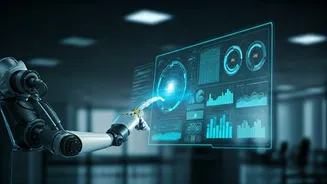
have reportedly not penned a single line of code since December, a change driven by sophisticated AI tools. The company's CEO explained that an internal AI system, codenamed Honk, is now responsible for generating code. This innovative tool is built upon existing AI models and integrated with their internal communication and workflow systems to automate the coding process. Honk doesn't just write code; it actively participates in fixing bugs, implementing new features, and even deploying the code in real-time. This means the human developers' primary function has evolved from direct coding to instructing the AI on tasks and then meticulously reviewing its output. For instance, an engineer can remotely request a bug fix or a new feature for the mobile application via their phone, and the AI will generate the necessary code. The engineer then receives a revised version directly on their device for approval, often before even reaching their workplace. This AI-driven approach has significantly accelerated the speed of both coding and deployment for the company, marking a new era in software creation.
Evolving Engineer's Role
While AI is shouldering the burden of writing code, the company is quick to clarify that human engineers remain indispensable. Their role has fundamentally shifted from hands-on coding to a more strategic and oversight-focused position. Instead of engaging in repetitive coding tasks, developers are now tasked with reviewing the AI-generated code, ensuring its quality, functionality, and adherence to best practices. This pivot allows them to concentrate on higher-level responsibilities such as system architecture design and critical product decisions. The CEO emphasized that this is not the endpoint of AI integration but rather the beginning of a new trajectory. Furthermore, the company is exploring AI's potential in creative domains, indicating readiness for artists to generate derivative works like remixes through AI. They are actively encouraging music labels to establish licensing agreements for such capabilities, signalling a forward-thinking approach to intellectual property in the age of AI-generated content. The overarching theme is a symbiotic relationship where AI handles the execution, and engineers provide the critical thinking, strategic direction, and quality assurance.