A Bollywood Banana
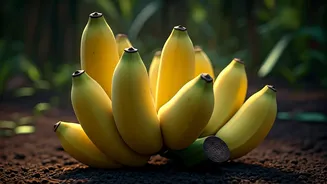
The beloved Rajeli Keli, native to Vasai, is more than just a fruit; it's a cultural icon with a flavour that has journeyed from coastal farms to kitchens
and even graced the silver screen. A humorous scene from the 1985 Hindi film 'Aaj Ka Daur' features the iconic actor Kader Khan engaging in a memorable exchange about a Vasai banana. Upon tasting it, he amusingly inquires about its origin, to which the vendor proudly replies that it hails from Vasai. Kader Khan's witty retort, "Haa kela muh me jate hi address bata raha hai ki Vasai se aaya hai. Vasai ka kela bahut mitha hota hai. Tum bhi khaya karo, pet saaf rahega," perfectly encapsulates the banana's renowned sweetness and local reputation, humorously suggesting its digestive benefits.
The Soil's Secret
Vasai's agricultural prowess is deeply rooted in its exceptional soil composition. The region boasts fertile alluvial and clayey loam soils, a gift from coastal deposits and ancient volcanic activity. This unique blend possesses an outstanding ability to retain moisture, crucial for robust root development. Complementing this are mineral-rich Fluvisols, which enhance water retention and support groundwater replenishment, alongside well-draining Cambisols that provide balanced fertility. This perfect soil cocktail, when combined with Vasai's warm and humid tropical climate, nurtures the Rajeli bananas, resulting in a fruit that is notably thicker, firmer, and naturally sweeter than many commercially grown varieties. The soil's inherent characteristics are the primary reason for the distinct quality and taste that Vasai's bananas are celebrated for.
A Storied Cultivation
The cultivation of Rajeli bananas in Vasai traces its roots back to the 19th century, a tradition carefully preserved by farming families like the Vartaks for over sixty years on their modest landholdings. Historically, these delicious fruits were a popular export to major cities such as Mumbai and Pune. However, over time, production faced challenges due to factors like soil degradation, unpredictable weather patterns, and the unfortunate shrinking of agricultural land. Despite these hurdles, a dedicated group of farmers continues to cultivate the Rajeli variety using time-honored traditional methods, driven by a strong commitment to preserving this cherished heritage fruit for future generations. Their perseverance ensures that the legacy of Vasai's unique banana endures.
Uniquely Rajeli
Rajeli bananas distinguish themselves through a captivating combination of a firm texture, substantial size, and a perfectly balanced sweetness, making them exceptionally versatile. When consumed raw, their starchy nature lends itself beautifully to the creation of crispy banana chips. As they ripen, they transform into a creamy, subtly sweet delight, ideal for crafting traditional Pathare Prabhu dishes such as 'bharali rajeli' and 'kelavrya'. Furthermore, when sun-dried, these bananas develop a wonderfully sticky consistency, concentrating their natural fructose content to create 'sukeli', a rich and intensely sweet treat. This drying process accentuates their inherent sugars, rendering them highly sought after for both immediate enjoyment and incorporation into time-honored culinary preparations.
Modern Farming Touches
While Vasai may not be a large-scale banana production hub compared to other regions in Maharashtra, progressive farmers are integrating modern techniques to enhance their output. Practices such as employing tissue-cultured plants for improved propagation, implementing drip irrigation systems for efficient water management, and utilizing raised beds to optimize soil conditions are becoming more common. Even on small plots, some as tiny as 2.5 acres, growers are successfully managing thousands of banana plants. Some of these innovative farmers are even exploring direct export opportunities to international markets, demonstrating a blend of tradition and contemporary agricultural advancements. This focus on quality and niche varieties sets Vasai apart from mass commercial banana cultivation.