Bridging Devotion and Distance
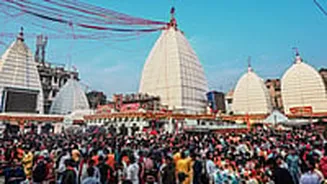
A monumental infrastructure initiative is set to redefine connectivity between India and Nepal, specifically linking the revered Baidyanath Dham in Jharkhand
with the sacred Pashupatinath Temple in Kathmandu. This ambitious project, envisioned as a 250-kilometer expressway, aims to dramatically slash the current travel time from a grueling 13-14 hours down to a mere 2-3 hours. The core purpose behind this endeavor is to foster a significant surge in religious tourism, encouraging more devotees to undertake pilgrimages to these important spiritual destinations. Beyond its religious significance, the expressway is strategically designed to reinforce and deepen the cultural bonds that have long existed between the two neighboring nations. This development marks a crucial step in India's broader strategy of enhancing its cross-border infrastructure following rapid expansion of its domestic expressway network.
The Grand Vision Unveiled
The proposal for this transformative India-Nepal Expressway was recently put forth by Bihar’s Road Construction Minister, Dilip Kumar Jaiswal. He announced that the plan to construct a direct corridor connecting Jharkhand’s Baidyanath Dham with Nepal's Pashupatinath Temple is currently under active consideration. This new route is projected to facilitate a swift passage, significantly reducing the transit duration between these two prominent pilgrimage sites. The proposal has been formally submitted to the central government, and once the necessary approvals are secured, the construction phase is expected to commence promptly. Demonstrating a commitment to infrastructure development, the Bihar government has already earmarked an impressive Rs 8,260 crore in its budget for the financial year 2026-27, specifically for road construction initiatives, including this high-speed corridor.
A Corridor of Connectivity
The proposed India-Nepal Expressway is designed to span an approximate length of 250 kilometers, creating a direct and efficient link between the two countries. Minister Dilip Kumar Jaiswal elaborated on the planned route, indicating that the corridor would initiate its journey from Kathmandu, Nepal. It will then traverse through key Nepalese locations such as Bhimanagar and Birpur before making its entry into India via the Supaul district in Bihar. Once within Bihar, the expressway's impact will be felt across several districts, significantly improving local connectivity in Madhepura, Saharsa, Khagaria, Munger, and Banka. Ultimately, this vital artery will conclude its path at Baidyanath Dham, located in the Deoghar district of Jharkhand, completing the envisioned direct link between the two spiritual epicenters.
Time, Fuel, and Cost Savings
The current travel experience between Baba Baidyanath Dham and Pashupatinath Temple involves a considerable distance of approximately 534 kilometers, typically requiring a lengthy journey of 13 to 14 hours by road. The introduction of the new 250-kilometer expressway promises to revolutionize this aspect of travel. Upon its completion and operationalization, the effective distance will be halved, and crucially, the travel time is anticipated to plummet to an astonishing 2 to 3 hours. This dramatic reduction in transit duration will translate directly into substantial savings for travelers, not only in terms of time but also in reduced fuel consumption and overall travel costs, making the pilgrimage more accessible and convenient for a greater number of devotees.
Economic and Cultural Synergies
The strategic importance of the India-Nepal Expressway extends far beyond mere travel time reduction; its primary objective is to act as a powerful catalyst for religious tourism. By making the journey between Baidyanath Dham and Pashupatinath Temple significantly more accessible, the project aims to attract a larger influx of pilgrims, thereby boosting the economies of the regions it connects. Furthermore, this infrastructure development is expected to serve as a vital bridge for strengthening the deep-rooted cultural ties that exist between India and Nepal, fostering greater understanding and interaction between the two nations. The expressway is also projected to stimulate economic activities across multiple districts in Bihar and Jharkhand, enhancing regional development and overall connectivity.
Fortifying Border Infrastructure
The development of the India-Nepal Expressway is a significant component of a broader initiative to bolster border infrastructure. Minister Dilip Kumar Jaiswal highlighted that substantial progress has already been made in this regard, with 554 kilometers of roads already constructed along the India-Nepal border. The proposed expressway is viewed as a crucial step forward in further enhancing this vital cross-border connectivity. If the central government provides its approval in a timely manner, this ambitious project is anticipated to be completed within a five-year timeframe, marking a new era of cooperation and connectivity between India and Nepal.