Nutrition's Role in Reproduction
The concept of a 'fertility diet' has surged in popularity, promising enhanced chances of conception through specific food choices, supplements, and routines.
While no single diet can miraculously cure infertility, scientific evidence confirms that overall nutrition plays a significant and undeniable role in reproductive well-being for both partners. Key aspects like hormone regulation, ovulation cycles, sperm viability, egg quality, and successful implantation are all intricately linked to an individual's health and nutritional status. Deficiencies in essential nutrients, imbalances in body weight (whether underweight or overweight), and poor metabolic health can all impede these critical reproductive processes. Research consistently shows that women who maintain a well-balanced diet and a healthy body weight are more likely to experience regular ovulation. Similarly, men with optimal nutritional profiles tend to exhibit superior sperm count and motility. It's crucial to understand that the effectiveness isn't about magic foods but about cultivating a supportive internal environment through consistent, healthy eating habits.
Evidence-Based Dietary Patterns
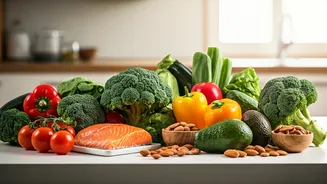
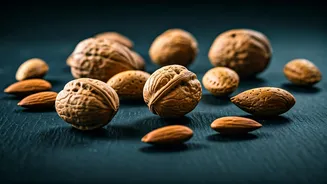
Extensive research, including significant longitudinal studies like the Harvard-based Nurses’ Health Study, has pinpointed specific eating patterns that correlate with improved fertility outcomes. These scientifically supported dietary approaches are not fleeting trends but rather sustainable, balanced ways of eating that align with general health recommendations. They emphasize nutrient-dense foods that actively combat inflammation, help stabilize blood sugar levels, and crucially, enhance the quality of both eggs and sperm. Such diets typically mirror the principles of the Mediterranean diet, focusing on whole, unprocessed foods. This means prioritizing healthy fats found in nuts, seeds, avocados, and fatty fish, while significantly limiting trans fats common in processed snacks and fried items. Similarly, the emphasis is on quality carbohydrates like whole grains (roti made from atta, brown rice, millets, oats) and legumes, which help maintain steady blood sugar, as opposed to refined grains and sugary foods that can cause sharp insulin spikes, potentially disrupting ovulation, especially for individuals with conditions like PCOS.
Key Nutrients & Protein Sources
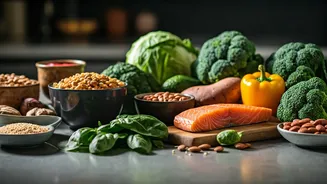
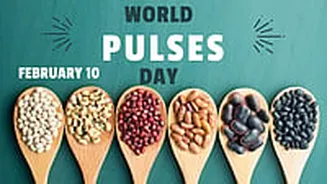
Ensuring adequate intake of essential micronutrients is paramount for both male and female reproductive health, as well as for early fetal development. Key among these are folate, iron, vitamin B12, vitamin D, zinc, iodine, and omega-3 fatty acids. Deficiencies in these vital nutrients are surprisingly common and can often go unnoticed, yet they significantly impact fertility. When it comes to protein, a varied intake from diverse sources is encouraged over reliance on supplements. Plant-based proteins such as lentils (dal), chickpeas (chana), kidney beans (rajma), soy, and paneer are associated with better ovulatory health compared to excessive consumption of red meat. Eggs and fish also serve as excellent protein sources. While some studies suggest that moderate consumption of full-fat dairy might be more beneficial for ovulation than low-fat versions, this aspect should be individualized. The goal is to build a diet rich in these essential nutrients from whole food sources to create an optimal environment for conception.
Debunking Fertility Diet Myths
The online world is replete with 'fertility diet' trends, many of which lack robust scientific backing. Practices like seed cycling, for instance, have not demonstrated any proven impact on hormone regulation. Similarly, the notion that expensive 'fertility superfoods' possess unique advantages over well-balanced, home-cooked meals is largely unsubstantiated. Detox diets and juice cleanses, often promoted for fertility, can actually be detrimental by depriving the body of essential nutrients required for reproductive functions. Furthermore, indiscriminate use of supplements without professional medical advice can lead to harmful imbalances. It's vital to approach fertility advice with a critical eye, distinguishing between evidence-based recommendations and popular, yet unproven, wellness fads. Focusing on a consistent, wholesome dietary pattern is far more effective than chasing the latest trend.
Practical Conception Plate
For couples actively trying to conceive, the most effective approach is to build a nutritionally complete and balanced plate daily, rather than adhering to restrictive fad diets. A practical, fertility-supportive meal composition should ideally include one portion of whole grains or millets, one bowl of dal or another lean protein source, and one portion of green leafy vegetables. Complementing this with one seasonal fruit and a handful of nuts and seeds provides a wide array of essential vitamins, minerals, and healthy fats. Crucially, adequate water intake is non-negotiable. Simultaneously, limiting sugar, fried foods, and processed snacks is essential for maintaining stable blood sugar and reducing inflammation. Women planning pregnancy should proactively start folic acid supplementation at least three months prior to conception attempts, and have their Vitamin D and B12 levels checked. Men also play a vital role, as approximately 40% of infertility cases involve male factors; lifestyle choices like avoiding smoking, moderating alcohol, and maintaining a healthy diet directly impact sperm quality.
Weight Management for Fertility
Body weight plays a significant role in fertility for both men and women. Being either underweight or overweight can present challenges in conceiving. For women, even a modest weight correction of 5–7% in cases of overweight individuals, particularly those with Polycystic Ovary Syndrome (PCOS), can be sufficient to restore regular ovulation in many instances. However, it's crucial to approach weight management healthily; crash dieting or extreme weight loss measures can be counterproductive. Such drastic measures can induce physiological stress on the body, potentially disrupting hormonal balance and negatively impacting fertility. The focus should be on gradual, sustainable lifestyle changes that promote a healthy body composition, creating an optimal internal environment conducive to conception. Essentially, good nutrition and appropriate weight management work in synergy to prepare the body for pregnancy, much like preparing fertile soil before planting a seed.