A Royal Confluence
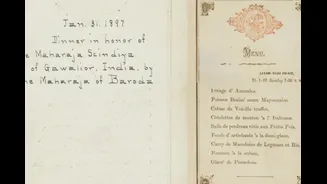
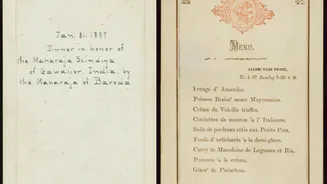
In the grand setting of Laxmi Vilas Palace in Gujarat, the Maharaja of Baroda orchestrated a magnificent dinner on January 31, 1897, a grand affair in honor
of the esteemed Maharaja Scindia of Gwalior. This historical event, brought to light through a recently shared vintage menu by historian Neha Vermani, offers an unparalleled window into the sophisticated dining practices of Indian royalty during the intricate tapestry of the British Raj. The survival of such documents, often housed in distant archives like the one in the US where this menu resides, provides invaluable insights into the cultural exchanges and aspirations of the era. The very existence of this menu challenges conventional expectations, painting a picture of a refined palate that embraced international culinary trends with remarkable sophistication.
French Flavors, Indian Palaces
What truly set this 1897 menu apart was its striking embrace of French culinary terminology and dishes, a testament to the era's global influences on Indian aristocracy. The extensive list featured sophisticated French creations such as 'Potage d’Amandes,' a creamy almond soup, and 'Poisson Braisé sauce Mayonnaise,' grilled fish with a robust mayonnaise. The indulgence continued with 'Crème de Volaille aux truffes,' a rich chicken dish elevated by the earthy aroma of truffles, and 'Côtelettes de mouton à l’Italienne,' showcasing Italian-inspired mutton chops. The main courses included 'Selle de perdreau rôtie aux Petits Pois,' roasted partridge with peas, and a French interpretation of a curry, 'Curry de Macédoine de Légumes et Ris,' a medley of vegetables served with rice. Even side dishes like 'Pommes à la crème' (potatoes in cream) and 'Fonds d’artichauts à la demi-glace' (artichoke bottoms with a rich sauce) spoke of European culinary artistry. The grand finale was 'Glace de Pistache,' a delightful pistachio ice cream, proving that even in dessert, a fusion of tastes was celebrated.
Opulence and Impression
The revelation of this menu sparked considerable online discussion, with users marveling at the sheer opulence and foresight of 19th-century Indian royalty. Comparisons were drawn to the grandeur of European aristocratic life, with one commenter noting the striking resemblance between Indian palaces and those in Florence. The deliberate choice to present familiar Indian elements, such as spices in the 'Curry de Macédoine,' through French nomenclature underscored a desire to align with international standards of high society. Many agreed that such elaborate banquets served a dual purpose: to lavishly entertain guests and to project an image of immense wealth and sophisticated global awareness, effectively dazzling and overwhelming observers with a display of unparalleled splendor that still resonates today.