The Treacherous Ascent
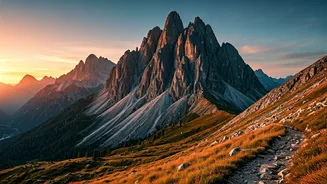
Mount Everest, a titan among the Himalayas, has long beckoned adventurers with its formidable heights. Reaching an astonishing 29,035 feet, it's a peak
known globally by various names, including Sagarmatha and Chomolungma. While its grandeur is undeniable, Everest harbors a dark secret on its slopes, particularly in a region climbers dread: the 'death zone.' This perilous segment begins at the 8,000-meter mark. At this extreme altitude, the atmosphere becomes so rarefied that it cannot provide enough oxygen to sustain human life. Climbers venturing into this zone are at severe risk of hypoxia, a condition where vital body tissues are deprived of essential oxygen. This lack of oxygen can lead to a cascade of debilitating symptoms, including severe nausea, agonizing headaches, and potentially fatal conditions like high-altitude cerebral edema (HACE). HACE causes fluid to seep into brain tissue, progressively impairing mental faculties, leading to confusion, drowsiness, and ultimately, unconsciousness. The physical toll extends to exhaustion, leaving climbers with no reserves to descend, and high-altitude pulmonary edema (HAPE), where lung air sacs fail to absorb oxygen efficiently, leading to symptoms like persistent coughing, breathlessness, and skin discoloration.
Surviving the Zone
Navigating the 'death zone' of Mount Everest demands strict adherence to survival strategies, chief among them the critical '2 o'clock rule.' This guideline mandates that climbers must turn back from their ascent by 2 PM, regardless of how close they are to the summit. The rationale behind this rule is simple yet life-saving: the journey from Camp IV, situated at approximately 7,950 meters, to the peak typically consumes seven to nine hours. Failing to reach the summit and begin the descent before this time drastically increases the risk of running out of essential supplies, such as oxygen, and facing the perils of prolonged exposure to the extreme conditions. The sheer exhaustion from the climb can leave individuals vulnerable. Furthermore, the heart is subjected to immense strain as it endeavors to pump blood throughout the body, often leading to organ damage. The combined assault of brutal winds, sub-zero temperatures, and sudden blizzards makes Everest an exceptionally challenging climb. However, it is the environmental conditions within the death zone that amplify the danger, making every expedition a gamble with life and death. Climbers must meticulously prepare their bodies, building resilience for this brutal environment.
The Unchanging Remains
A particularly haunting aspect of Mount Everest's 'death zone' is the fate of those who perish there. Due to the extremely low oxygen levels and frigid temperatures, the process of decomposition is remarkably slow, meaning bodies often remain preserved for extended periods. The arduous and perilous conditions make it incredibly dangerous, if not impossible, for fellow climbers to attempt the retrieval of deceased companions. Prioritizing their own survival, expeditions generally leave the fallen where they lie. This grim reality means that the higher reaches of Everest are dotted with the remains of those who have attempted the climb, serving as stark, silent testaments to the mountain's unforgiving nature. The preservation of these bodies is a direct consequence of the extreme environment; the lack of oxygen and the freezing temperatures create conditions that inhibit bacterial activity, the primary driver of decomposition. This phenomenon adds a somber and macabre layer to the Everest climbing experience, reinforcing its status as one of the planet's most dangerous endeavors.
The Price of Ambition
The ambition to conquer Mount Everest comes with a significant financial cost. Securing a permit for an expedition, typically involving a team of seven climbers, can range from a substantial $40,000 to upwards of $100,000. This considerable expense underscores the level of resources and support required for such a venture. Beyond the financial outlay, certain individuals face heightened risks due to pre-existing health conditions. Those with cardiovascular issues like heart disease and high blood pressure, or respiratory ailments such as lung disease and sickle cell disease, are particularly vulnerable. Sleep disorders, including sleep apnea, can also exacerbate the dangers of high altitude. For these individuals, medical advice usually strongly cautions against undertaking expeditions to extreme altitudes, emphasizing the critical need for careful consideration and avoidance of such perilous journeys. The combination of extreme physical demands, the unforgiving environment, and potential underlying health vulnerabilities makes Everest a calculated risk for even the fittest adventurers.