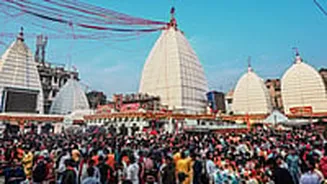
Bridging Faith and Borders
In a significant move to enhance cross-border connectivity, India is planning a monumental expressway project linking the sacred Baba Baidyanath Dham in Jharkhand,
India, with the revered Pashupatinath Temple in Kathmandu, Nepal. This ambitious corridor, spanning approximately 250 kilometers, is set to revolutionize travel between these two paramount pilgrimage destinations. Currently, the journey between the two sites covers around 534 kilometers and takes a substantial 13 to 14 hours by road. The proposed expressway aims to more than halve this duration, reducing it to an impressive 2 to 3 hours once completed. This drastic reduction in travel time is expected to not only offer immense convenience to devotees but also significantly cut down on fuel consumption and associated costs. The project is a key component of India's broader strategy to bolster its expressway network and simultaneously strengthen its ties with neighboring nations, particularly through enhanced infrastructure that supports cultural and religious exchange.
The Corridor's Path
The visionary Pashupatinath–Baidyanath Expressway is designed to create a direct and efficient route connecting the two spiritual hubs. The planned alignment will commence in Kathmandu, Nepal, proceeding through key Nepalese locations such as Bhimanagar and Birpur. From there, it will cross the border into India, entering through the Supaul district of Bihar. Once within India, the expressway's impact will be felt across several districts in Bihar, including Madhepura, Saharsa, Khagaria, Munger, and Banka, significantly improving local and regional transit. Ultimately, the corridor will extend to its southern terminus at Baba Baidyanath Dham in the Deoghar district of Jharkhand. This meticulously planned route is not just about shortening distances; it's about weaving a tighter fabric of connectivity that benefits both the spiritual journeys of individuals and the economic development of the regions it traverses.
Economic and Tourism Boost
The construction of the India-Nepal Expressway is projected to be a powerful catalyst for economic growth and a major boon for religious tourism. By drastically reducing travel time and making the pilgrimage more accessible, the project is expected to attract a significantly larger number of devotees and tourists to both Baidyanath Dham and Pashupatinath Temple. This surge in visitor numbers will undoubtedly stimulate local economies, creating new opportunities for businesses, hospitality services, and local artisans in the districts along the route, particularly in Bihar and Jharkhand. Furthermore, the initiative aligns with India's ongoing efforts to enhance its border infrastructure, building upon the 554 kilometers of roads already established along the India-Nepal border. The expressway represents a substantial advancement in this strategy, promising not only to foster stronger cultural ties between India and Nepal but also to unlock considerable economic potential in the region.
Timelines and Funding
The ambitious India-Nepal Expressway project is moving forward with significant governmental backing and planning. Bihar's Road Construction Minister, Dilip Kumar Jaiswal, has confirmed that a proposal for this vital cross-border corridor has been submitted to the central government for approval. Construction is slated to commence once the necessary clearances are obtained. Demonstrating its commitment to infrastructure development, the Bihar government has allocated a substantial Rs 8,260 crore in its financial year 2026-27 budget specifically for road construction initiatives, which would encompass projects like this expressway. If governmental approval is granted promptly, the project is anticipated to be completed within a five-year timeframe. This timeline suggests a concerted effort to realize the vision of a swiftly connected spiritual pathway between India and Nepal, transforming travel and fostering deeper regional cooperation.