AI Meets the Physical World
The city of Bengaluru recently became the epicenter for discussions on the future of manufacturing, with the ElevateX 2026 Conference, organized by Teradyne
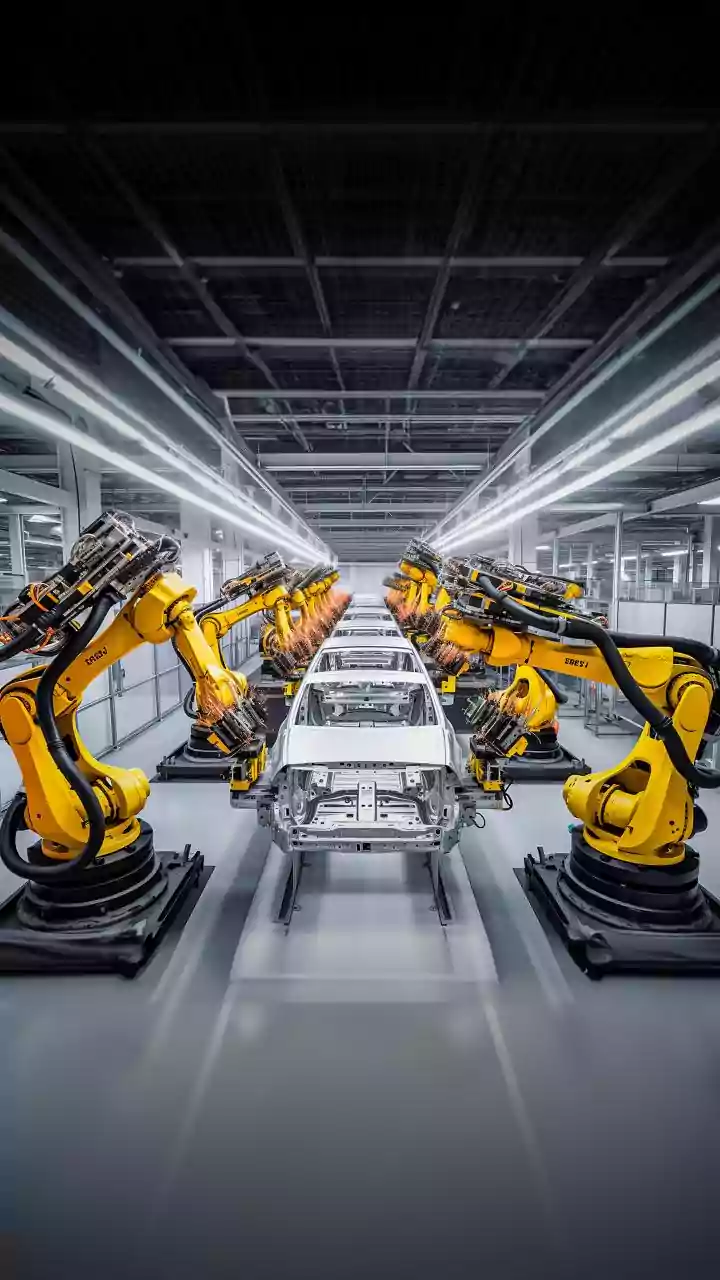
Robotics. This significant event illuminated the rapid integration of what's termed 'physical AI' into robotic systems, signaling a paradigm shift in how automation will be implemented across various industries in India. The conference wasn't just a showcase of technology; it was a deep dive into the practical applications and the immense potential automation holds for the nation's industrial growth. Featuring over 20 influential C-suite leaders and industry experts, the program included two insightful panel discussions that explored the current landscape and future trajectory of robotics and automation.
Automation's Asian Ascent
Poi Toong Tang, the Vice-President of Teradyne's Asia-Pacific Sales, provided critical insights into the adoption of robotics and automation within Asian manufacturing. He acknowledged that while many young individuals are entering the workforce, there's a noticeable reluctance among some to pursue careers in traditional manufacturing roles. Coupled with persistent pressures on productivity and quality, this trend makes automation increasingly vital. Tang pointed out that Asia already exhibits a high density of robots. Although India currently lags slightly in this regard, he expressed strong optimism that the country will inevitably embrace robotics as it transitions towards a high-value manufacturing environment. This shift is not just about keeping pace but about leading the charge in sophisticated industrial processes.
Synergy: Robots and People
A key takeaway from the conference was the transformative influence that 'physical AI,' when working in tandem with robots, can exert on the manufacturing sector. Teradyne representatives emphasized a groundbreaking development: many of the robots on display were designed for safe operation alongside human employees, without the need for traditional safety enclosures or fences. This represents a significant departure from older industrial robot models, paving the way for more collaborative and integrated work environments. This innovation directly addresses concerns about the human element in automation, suggesting a future where robots augment human capabilities rather than simply replacing them, fostering a more dynamic and efficient workplace.
Addressing Job Fears
The apprehension surrounding potential job displacement due to automation was directly addressed during the conference. Tang shared a poignant anecdote from a manufacturing facility in Thailand where anxious workers initially resorted to damaging robots, fearing they would lose their jobs. However, he noted a remarkable transformation: six months later, the same workers proactively requested more robots from management. This shift occurred because the robots had taken over monotonous and physically demanding tasks, liberating the human workforce to engage in more value-added activities. Crucially, the company did not reduce its employee headcount; instead, the nature of their work evolved, demonstrating that automation can lead to job evolution rather than elimination.
Diverse Robotic Innovations
The ElevateX 2026 Conference featured an impressive display of various robotic technologies, including the highly adaptable cobots, or cooperative robots. These machines are engineered to work safely and seamlessly alongside humans in shared workspaces. Additionally, attendees witnessed models specifically designed for critical industrial applications such as palletization. The event also saw participation from prominent companies within the sector, including Skills, Toyoda Gosei, and others, all contributing to the rich dialogue and showcasing their contributions to the advancement of robotics and automation in India's manufacturing landscape.