The Thirties Shift
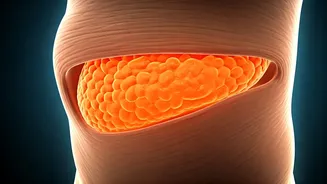
Many individuals find themselves grappling with stubborn abdominal fat as they cross the threshold into their thirties. This phenomenon isn't a random
occurrence but rather a consequence of natural physiological changes that begin to manifest around this age. You might notice that your usual dietary habits and exercise routines, which once yielded significant results, now seem less effective, leading to noticeable weight gain, particularly around the midsection. Even minor deviations from a healthy lifestyle, like occasional 'cheat days,' can result in more pronounced fat accumulation than before. This frustrating reality often prompts questions about why these changes are happening when your lifestyle appears consistent. Understanding these underlying shifts is the first step towards effectively managing and reducing this persistent belly fat.
Muscle Loss & Metabolism
A primary driver of increased belly fat after 30 is the gradual decline in muscle mass. Our bodies naturally shed muscle at a rate of approximately 3-8% per decade once we pass this milestone. This reduction in muscle tissue has a direct impact on our metabolism, as muscle is crucial for burning calories even when we are at rest. Even a modest loss of 1 kilogram of muscle can lead to a decrease in daily energy expenditure. Furthermore, muscle plays a vital role in how our bodies process glucose. It's responsible for a significant portion, about 70-80%, of glucose disposal. When muscle mass diminishes, glucose remains in the bloodstream for longer periods, making it more likely to be converted and stored as fat, specifically in the abdominal region. This process exacerbates the challenge of maintaining a lean physique.
Hormonal & Insulin Changes
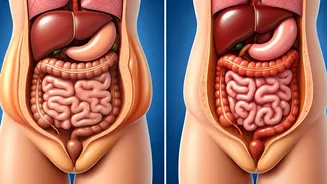
Beyond muscle loss, hormonal fluctuations and changes in insulin sensitivity significantly contribute to the accumulation of belly fat after 30. Insulin sensitivity tends to decrease by about 4-5% per decade, meaning that the same carbohydrate intake will result in larger spikes in blood sugar. These elevated sugar levels promote faster fat storage, with the waistline being a primary target. Concurrently, after 30, a shift in key hormones occurs. Growth hormone and sex hormones like testosterone and estrogen typically decline, while cortisol, the stress hormone, tends to increase. This hormonal cocktail creates an environment that favors the storage of deep abdominal fat, also known as visceral fat. Visceral fat accumulates more rapidly than subcutaneous fat and poses a greater health risk as it surrounds vital organs, worsening insulin resistance and inflammation.
Recognizing Slowing Metabolism
Several tell-tale signs indicate that your metabolism is beginning to slow down, often manifesting as increased belly fat. One of the most noticeable is an expanding waistline, even if your overall weight remains stable. You might also experience frequent afternoon energy slumps, feeling a significant dip in vitality. Cravings for sugary foods can become more intense, indicating a potential underlying imbalance. Digestive issues, such as bloating after consuming carbohydrates, can also be a symptom of reduced metabolic efficiency. Lastly, a common indicator is the noticeable gain of fat specifically in the upper abdomen. Recognizing these early signs is crucial for taking proactive steps to address the underlying metabolic changes.
Effective Solutions for Fat Loss
Combating belly fat after 30 requires a strategic and consistent approach, focusing on sustainable lifestyle modifications rather than quick fixes. Prioritizing adequate protein intake, aiming for 1.2-1.6 grams per kilogram of body weight daily, is essential for muscle maintenance and satiety. Incorporating strength training more than three times per week is vital for rebuilding and preserving muscle mass, thereby boosting metabolism. Complementing this with daily walking aids in improving insulin sensitivity. Ensuring a consistent 7-8 hours of quality sleep each night is also crucial for hormonal balance and recovery. It's important to avoid extreme diets or unproven gimmicks. A balanced approach combining targeted nutrition, regular exercise, and adequate rest is the most effective path to reducing belly fat and improving overall well-being.