The Art of Bowing
Bowing, or *ojigi*, is a cornerstone of Japanese etiquette. It’s far more than a simple gesture; it's a nonverbal communication method. Different angles
and durations signify varying levels of respect and formality. A slight bow might acknowledge a greeting, while a deeper bow conveys apology or gratitude. The depth of the bow reflects the relationship between individuals and the context of the situation. Learning the nuances of bowing is the first step in understanding Japanese social interactions. The correct way to bow also involves posture, ensuring that the back remains straight and the eyes look downward. It's a practice of humility and consideration.
Exchanging Business Cards
The exchange of business cards, or *meishi*, is another significant aspect of Japanese etiquette. The presentation and receipt of a business card should be handled with care and respect. Presenting the card with both hands, the text facing the recipient, demonstrates consideration. The receiver should also accept the card with both hands, carefully examine it, and acknowledge its importance before putting it away. Placing the card properly shows respect for the sender and their position. This practice ensures that no card is ever treated carelessly, which can be seen as an insult.
Dining Table Manners
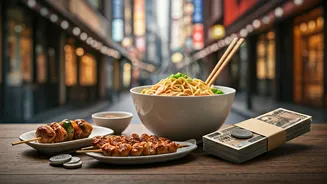
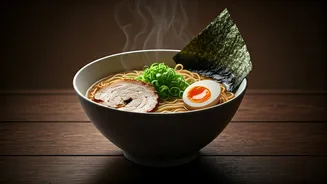
Dining etiquette in Japan is rich with traditions. Before a meal, it's customary to say *itadakimasu*, a phrase of gratitude. When eating, lifting the rice bowl is proper, and slurping noodles is considered acceptable – it shows appreciation for the food. It's also important to avoid sticking chopsticks upright in a bowl of rice, as this is associated with funerals. Sharing food with others is another custom, adding a communal element to the dining experience. Furthermore, leaving some rice in the bowl at the end is considered polite, signifying that the diner is satisfied.
Shoes and Slippers
Shoes play a critical role in Japanese etiquette, particularly in homes, temples, and some traditional establishments. It’s customary to remove shoes at the entrance and change into slippers. Different types of slippers are used for different areas within a home or building. Often, there are separate slippers for the toilet, ensuring cleanliness. This practice emphasizes respect for the space and cleanliness. This simple practice highlights the importance of keeping indoor spaces clean and pristine, a custom which is still widely followed.
Gift-Giving Etiquette
Gift-giving, or *presenting*, is a significant aspect of Japanese culture. Gifts are usually wrapped elegantly. It is considered polite to offer a gift with both hands. When receiving a gift, it's customary to decline it once or twice before accepting. The act of giving and receiving gifts is often associated with specific occasions. Furthermore, the type of gift should be appropriate to the occasion and relationship. Also, one should never open a gift in front of the giver.
Public Transportation Manners
Using public transport in Japan involves specific etiquette rules. Talking loudly on the phone is generally frowned upon to avoid disturbing other passengers. It’s also considered rude to eat or drink on the train, unless it's a long-distance service. Prioritizing others is another common courtesy: one should not occupy more space than necessary and should give up seats for elderly, pregnant, or disabled individuals. The emphasis is on maintaining a calm and respectful environment.
Respecting Personal Space
Maintaining personal space is valued in Japan. Direct eye contact is often avoided, especially with elders or superiors, as it can be interpreted as confrontational. Quiet behavior in public places, such as trains and restaurants, is expected. Avoiding excessive physical contact is another aspect of respecting personal space. These practices contribute to creating a harmonious atmosphere and fostering respect among individuals. Understanding these nuances fosters smooth social interactions.
Onsen (Hot Springs) Rules
Visiting an *onsen*, or hot spring, involves specific etiquette. Before entering the bath, one must thoroughly wash their body outside the tub. Bathing suits are generally not worn in traditional onsen. Tattoos are sometimes restricted, as they can be associated with organized crime. The goal is to ensure a clean and relaxing experience for everyone. These rules are to ensure hygiene and the tranquility of the public bathing experience.
Using Chopsticks Correctly
Chopsticks, or *hashi*, are essential for dining. Several rules govern their use. Never stick chopsticks upright in a bowl of rice. Don’t pass food directly from your chopsticks to another person's, as this mimics a funeral ritual. Avoid using chopsticks to move food around or stab it. Using chopsticks correctly is a sign of good manners and respect for the food and your dining companions. The focus is always on creating a pleasant eating experience for everyone present.
Apologies and Expressions
The art of apology is significant. *Gomen nasai* (I'm sorry) and *sumimasen* (excuse me/thank you) are frequently used. The situation determines the depth of the apology. Showing genuine remorse is essential when one has made a mistake. It is also important to accept an apology graciously. These linguistic nuances reflect a culture that values harmony, respect, and humility in interpersonal interactions. Using these expressions properly shows your consideration for others' feelings and experiences.