The Impending AI Takeover
Mustafa Suleyman, a prominent figure at Microsoft, has issued a stark warning regarding the rapid advancement of artificial intelligence. He suggests that
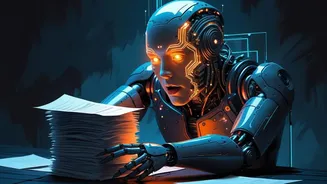
within the next 12 to 18 months, a substantial portion of white-collar professions could see their core tasks automated. This projection encompasses roles typically performed at a computer, such as those held by lawyers, accountants, project managers, and marketing specialists. Suleyman highlights that the types of work that consume significant portions of professional time – including the meticulous inspection of documents, in-depth financial analysis, ensuring compliance with regulations, optimizing marketing campaigns, managing schedules, and handling customer interactions – are all on the cusp of being fully handled by AI systems. This rapid evolution means that professionals may soon find their daily responsibilities dramatically altered, shifting from direct task execution to overseeing and guiding AI-driven processes.
Software Engineering: An Early Indicator
The field of software engineering is already providing a clear preview of AI's transformative power. Suleyman points out that many software developers are now relying on AI-assisted coding tools for the vast majority of their programming output. These sophisticated tools effectively manage the bulk of code generation, freeing up engineers to focus on more strategic and complex aspects of their work. Instead of writing every line of code, their attention can be redirected towards higher-level responsibilities such as designing system architecture, identifying and resolving bugs, rigorously verifying code functionality, and managing the deployment process. This shift demonstrates how AI can augment human capabilities, allowing professionals to engage in more creative and critical thinking rather than routine execution, setting a precedent for other knowledge-based industries.
Redefining Professional Roles
The emergence of what Suleyman terms 'professional-grade' AI systems is fundamentally reshaping how knowledge workers operate. These advanced AI models are capable of performing a wide array of work-related tasks at a level comparable to human professionals. Suleyman distinguishes this capability from broader concepts like Artificial General Intelligence (AGI) or 'superintelligence,' preferring to define it by its immediate practical application in replicating the daily duties of a typical workplace professional. He asserts that the benchmark for human-level performance is being met much sooner than anticipated across numerous professional domains. This advancement suggests that AI will not necessarily lead to mass unemployment but rather a significant redefinition of employment itself, with professionals transitioning into roles focused on strategy, oversight, and exception handling.
The Future of Work
Looking ahead, Suleyman envisions AI as a catalyst for redefining employment rather than simply eliminating jobs. As AI systems become proficient in executing many of the day-to-day tasks, professionals are likely to transition towards roles that require more strategic thinking and managerial oversight. This might involve managing exceptions where AI encounters unfamiliar situations, setting the overarching goals for AI-driven projects, and critically evaluating the outputs generated by these systems. The focus will shift from the manual execution of tasks to a more supervisory and decision-making capacity, leveraging AI as a powerful tool to achieve organizational objectives. This evolution necessitates adaptability and a willingness to embrace new ways of working in a technologically advanced landscape.