Seashell Secrets Revealed
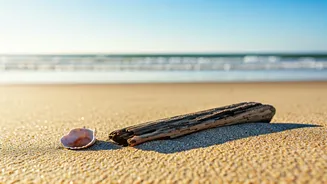
Seashells, often seen as perfect mementos of a seaside escape, serve a much more vital role on the beach than many realize. Their fragmented remains contribute
to the formation of sand, acting as a natural barrier that helps stabilize shorelines. Intact shells provide essential shelter for small marine creatures, including hermit crabs, offering them a safe haven. When these shells are removed in large quantities, it disrupts this crucial natural cycle. This widespread collection can lead to noticeable beach erosion and the loss of critical habitats for various species. Consequently, many nations, including parts of India, the Maldives, Thailand, and Australia, have implemented regulations or outright bans on removing shells, particularly live ones, to preserve their coastal environments and wildlife.
The Sand Story
What seems like ordinary sand is, in fact, the result of millennia of natural processes, a composite of eroded coral, shells, and rock. While currents and tides naturally redistribute sand, human removal significantly accelerates erosion, leading to shrinking shorelines. The cumulative effect of millions of tourists taking small amounts can have a devastating impact. Many beaches globally have visibly diminished due to unauthorized sand extraction, necessitating costly and environmentally impactful artificial replenishment efforts. Consequently, numerous countries classify sand removal as an environmental offense, punishable by substantial fines or confiscation of the sand at customs checkpoints, underscoring its ecological importance.
Coral's Crucial Role
Coral fragments, whether still alive or washed ashore, are integral components of a complex marine ecosystem. Even seemingly dead coral pieces play a part in stabilizing the seabed and create a foundation for new coral growth. Live corals are the very structure of reef systems, vital for biodiversity. Removing any coral, from shallow waters or as debris, impedes reef regeneration and is illegal in most coastal nations. It's important to remember that coral reefs are already under immense pressure from climate change, rising ocean temperatures, and pollution. Human interference, like removing coral, only exacerbates these threats. Visitors may face severe penalties, including hefty fines or legal action, for possessing coral fragments.
Marine Life Matters
Creatures like starfish, sea urchins, sand dollars, and small crabs are frequently collected for photographs or as keepsakes. However, even brief handling outside their natural habitat can be detrimental. Starfish, for instance, can suffocate when exposed to air, and sand dollars, often mistaken for shells, are living organisms. Dead marine animals also contribute significantly to the ecosystem by returning nutrients to the sand and sea, playing a role in decomposition cycles and supporting food chains. Removing these creatures, alive or dead, disrupts these natural processes. Many marine species are protected by wildlife laws, and disturbing them is prohibited in numerous coastal areas, reflecting their importance to ecological balance.
Driftwood and Seaweed
While driftwood and seaweed might appear as mere beach debris, they are essential for maintaining beach health and coastal resilience. Seaweed acts as a natural erosion inhibitor, traps sand, and provides vital nutrients that sustain coastal vegetation. Driftwood, in turn, forms crucial microhabitats for a variety of insects, birds, and smaller animals. Removing these natural materials leaves beaches more susceptible to erosion and diminishes biodiversity. It is imperative to allow these elements to remain undisturbed, contributing to the natural fabric of the coastline, while ensuring visitors do not leave behind any man-made waste.