Timeless Elegance: Sarees
Sarees are the cornerstone of South Indian fashion, embodying grace and heritage. Various types of sarees such as Kanjeevaram, Banarasi, and Mysore silk,
dominate the fashion scene, each boasting unique textures, designs, and historical significance. The intricate weaving techniques, vibrant color palettes, and rich embellishments elevate these sarees to wearable art. The traditional drape of the saree, coupled with its luxurious fabric, makes it a perfect choice for weddings, festivals, and special occasions. Sarees are not just garments; they are carriers of tradition and cultural identity, treasured and passed down through generations. These elegant drapes continue to be celebrated, representing the enduring legacy of South Indian craftsmanship and design.
Traditional Attire: Beyond Sarees
While sarees are prominent, South Indian fashion encompasses a range of traditional attire. Lehengas, particularly those adorned with intricate embroidery and vibrant hues, are another essential garment. Salwar kameez sets, with their comfortable designs and adaptable styles, are also widely favored. The kurta and dhoti combination, often worn by men, is another important cultural symbol, reflecting a strong sense of heritage. Traditional jewelry, including gold necklaces, bangles, and earrings, completes the ensemble. These traditional garments and accessories reflect the diversity and rich cultural tapestry of South India. The choice of fabrics, colors, and embellishments varies depending on the region and occasion, showcasing the region's diverse design preferences.
Fabric & Craftsmanship
The beauty of South Indian fashion lies in its meticulous craftsmanship and use of superior quality fabrics. Silk, particularly Kanjeevaram silk, is a staple, known for its lustrous sheen and durability. Cotton, especially handloom varieties, offers comfort and breathability. Other fabrics like chiffon and georgette are also utilized, adding versatility to the designs. Traditional weaving methods, such as the use of handlooms, are still prevalent. Artisans apply various techniques, including zari work (metallic thread embroidery), block printing, and embellishments with beads and stones. These skilled techniques add texture and depth to the garments, highlighting the creativity of South Indian craftspeople. These meticulous techniques and detailed fabrics reflect the dedication to preserving and celebrating India's rich heritage.
Color Palette and Designs
South Indian fashion is a vibrant showcase of color and design. Rich colors such as red, gold, green, and yellow frequently appear, symbolizing auspiciousness and prosperity. Bold and intricate patterns, ranging from floral motifs to geometric designs, are prevalent. The traditional motifs, like temple borders and peacock designs, are often woven into the fabric. The designs sometimes incorporate contemporary elements and patterns while maintaining the essence of tradition. Colors also reflect the region's diverse heritage, each with its unique significance and appeal. The creative blend of color and intricate patterns represents the essence of South Indian design, adding a distinctive charm to each piece.
Modern Fashion: Evolution
South Indian fashion has embraced contemporary influences while respecting its roots. Designers are reinterpreting traditional styles for modern tastes. Sarees are being crafted with modern silhouettes, like contemporary blouses, to meet changing demands. Fusion wear, which combines traditional elements with Western influences, is gaining popularity. New fabrics, patterns, and embellishments are regularly incorporated, reflecting current trends. The fashion scene has seen the rise of prêt-à-porter collections, making South Indian styles more accessible. This blend of tradition and modernity guarantees that South Indian fashion stays relevant and continues to influence the world, offering something for everyone.
Styling & Accessorizing
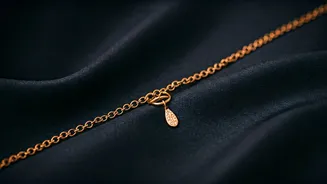
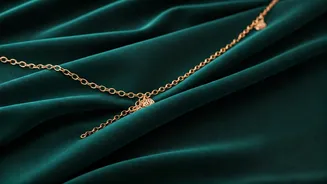
Accessories play an essential part in completing the South Indian look. Traditional jewelry, including gold necklaces, jhumkas, and bangles, adds elegance. Floral garlands and jasmine strands are common for special occasions, such as weddings and festivals. Choosing the right accessories enhances the overall appearance of the attire. Consider the occasion, the garment's design, and personal preferences when choosing jewelry and accessories. A minimalist approach allows the outfit to be the center of attention. When it comes to makeup and hairstyles, a simple, classic appearance goes a long way. This combination of clothes and accessories results in a refined and aesthetically pleasing look, celebrating the essence of South Indian style.