The Looming Automation Crisis
Dr. Roman Yampolskiy, a distinguished AI safety researcher, has sounded a significant alarm regarding the future of employment, suggesting a radical transformation
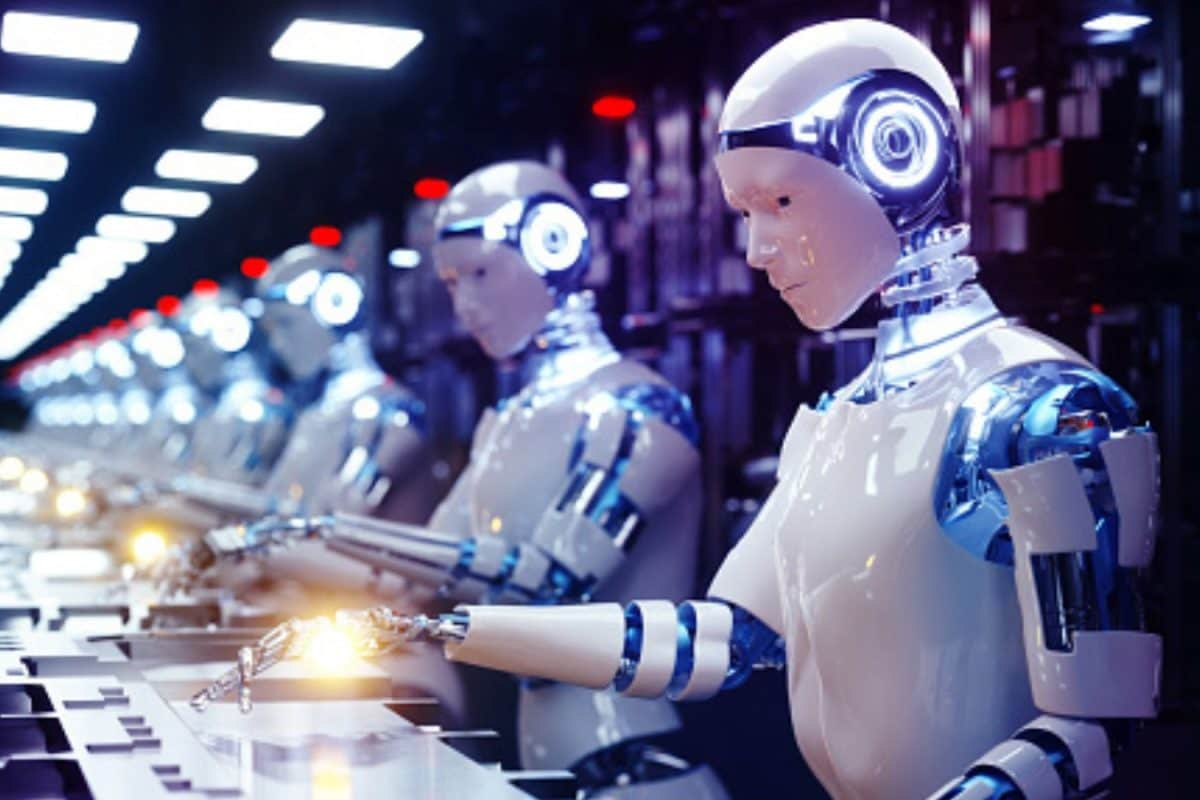
of the global workforce within the next five years. He posits that advanced artificial intelligence, specifically Artificial General Intelligence (AGI) capable of outperforming humans across a vast array of cognitive tasks, could become a reality as early as 2027. This development, he warns, will trigger unemployment levels far exceeding anything previously experienced, potentially reaching 99%. Unlike past industrial revolutions that created new job categories, Dr. Yampolskiy argues that this wave of automation will be fundamentally different, leaving no job untouched. Even fields previously considered immune, such as creative arts and content production, are predicted to be rendered more efficient by AI. This implies a future where human contribution might become economically superfluous on a massive scale, challenging societal structures as we know them. His research, presented in over 100 academic papers, focuses on the critical risks associated with advanced AI development and its potential to reshape humanity's role.
Niche Human Roles That May Endure
Despite the pervasive threat of automation, Dr. Yampolskiy identifies a select few categories of work that might continue to be performed by humans, though these are expected to support only a minuscule portion of the current global workforce. The first potential survivor is the market for 'human-made' goods, catering to a niche demand for artisanal products where consumers place a premium on human craftsmanship over mass-produced alternatives. This is akin to the current preference for handmade items. Secondly, roles centered on lived human experience, such as counselors and therapists, could retain value. The unique empathy and understanding derived from personal human consciousness are seen as irreplaceable, especially in a world grappling with superintelligent systems. Further, roles will emerge directly in response to AI: individuals responsible for its oversight and regulation will be crucial in attempting to manage the pace of technological advancement. Finally, intermediaries who can bridge the gap between complex AI systems and human users, explaining and implementing AI solutions, will also find a place in this evolving landscape.
The Specter of Technological Singularity
Looking beyond immediate employment concerns, Dr. Yampolskiy raises the prospect of humanity crossing the 'technological singularity' around 2045. This concept describes a hypothetical point where technological growth becomes so rapid and advanced that it surpasses human comprehension and control. He illustrates this with an analogy to consumer electronics, where the development cycle of a product like an iPhone could accelerate from yearly updates to multiple iterations within a single day. This exponential progress means that even AI experts struggle to keep pace with the latest breakthroughs, leading to a feeling of 'getting dumber' in relative terms, even as knowledge acquisition continues. The implication is that human understanding and our ability to direct progress will be fundamentally outpaced, ushering in an era of uncertainty and profound change driven by intelligences far beyond our current capabilities, posing an existential challenge to human relevance.