The Post-30 Body Shift
Many individuals observe an unwelcome increase in abdominal fat as they navigate their thirties, a change that often leaves them puzzled, especially when
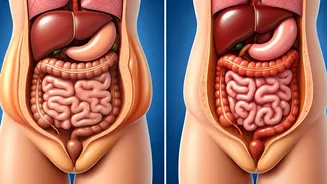
their dietary patterns and physical activity routines remain unchanged. This shift isn't an isolated incident; it's a common biological transition. According to Dr. Saurabh Sethi, a specialist in gastroenterology and hepatology, this phenomenon is marked by weight gain where the same food intake leads to a more pronounced accumulation of belly fat. Furthermore, the effectiveness of workouts diminishes, yielding fewer noticeable results for the same effort. Even minor deviations, often termed 'cheat days', can result in significant and visible increases in fat. Dr. Sethi emphasizes that these aren't arbitrary occurrences but rather direct indicators of underlying physiological changes. The body's metabolism begins to recalibrate, making it more predisposed to storing fat, particularly around the midsection, presenting a challenge for many trying to maintain their physique and overall health.
Metabolism's Slowdown Explained
A primary driver behind increased belly fat after 30 is the natural, albeit gradual, decline in muscle mass. This loss occurs at a rate of approximately 3-8% per decade, a process that directly impacts our resting metabolic rate. Reduced muscle mass means the body burns fewer calories when at rest, contributing to a caloric surplus even if intake remains constant. Dr. Sethi highlights that even a kilogram of lost muscle can lead to a measurable decrease in daily energy expenditure. Beyond just calorie burning, muscle plays a crucial role in glucose management. It accounts for a significant portion, about 70-80%, of the body's glucose disposal. When muscle mass diminishes, the body becomes less efficient at clearing glucose from the bloodstream. This excess glucose lingers, increasing the likelihood of it being stored as abdominal fat. Moreover, insulin sensitivity also declines, estimated at 4-5% per decade. This reduced sensitivity means that the same amount of carbohydrates consumed will result in larger spikes in blood sugar, further promoting fat storage, particularly around the waistline.
Hormonal Flux and Fat Storage
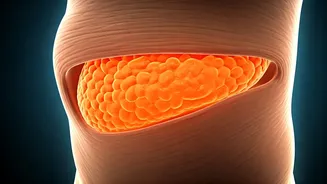
The hormonal landscape undergoes notable shifts after the age of 30, and these changes significantly influence fat distribution. As individuals age, levels of growth hormone and sex hormones, such as testosterone and estrogen, tend to decrease. Concurrently, the body may experience an increase in cortisol, the primary stress hormone. This combination of declining anabolic hormones and rising cortisol creates an environment that favors the storage of visceral fat, also known as deep belly fat. This type of fat is particularly concerning because it surrounds vital organs and can exacerbate existing issues like insulin resistance and inflammation. The accumulation of visceral fat can create a feedback loop, especially for those with pre-existing conditions such as fatty liver, prediabetes, diabetes, or high triglycerides. In these cases, heightened insulin resistance acts as a catalyst, pushing even more fat into the abdominal region and the liver, further complicating metabolic health and increasing overall health risks.
Recognizing Slow Metabolism Signs
Several tell-tale signs can indicate that your metabolism is gradually slowing down, often manifesting as increased belly fat even when overall weight remains stable. One of the most common indicators is a noticeable expansion of the waistline without a corresponding increase on the scale. You might also experience more frequent afternoon energy slumps, a phenomenon where your energy levels dip significantly mid-day, leaving you feeling fatigued. Another common sign is a heightened craving for sugary foods, often an attempt by the body to seek quick energy. Digestive issues, particularly bloating after consuming carbohydrates, can also point to a less efficient metabolic process. Furthermore, changes in fat distribution, such as an increase in fat accumulation in the upper abdomen, can be a visual cue that your body's fat-burning capabilities are diminishing. These subtle yet persistent changes are important signals from your body that warrant attention and a potential adjustment in lifestyle habits.
Effective Strategies for Reduction
Successfully reducing belly fat after 30 involves a multifaceted approach, prioritizing consistency and sustainable habits over quick fixes. A cornerstone of this strategy is ensuring adequate protein intake, aiming for approximately 1.2 to 1.6 grams per kilogram of body weight daily. Protein is crucial for preserving and building muscle mass, which in turn supports a higher resting metabolism. Complementing dietary changes, regular strength training is essential, ideally performed more than three times per week. This form of exercise directly targets muscle growth and maintenance, counteracting age-related muscle loss. Incorporating daily walking is also highly beneficial for improving insulin sensitivity and overall metabolic health. Furthermore, prioritizing consistent, quality sleep for 7-8 hours each night plays a vital role in hormonal balance and recovery. It is important to avoid extreme diets or fad programs, as these are rarely sustainable and can be detrimental to long-term health. A balanced, consistent lifestyle is the most effective path to managing and reducing belly fat.